

Last updated November 16, 2026
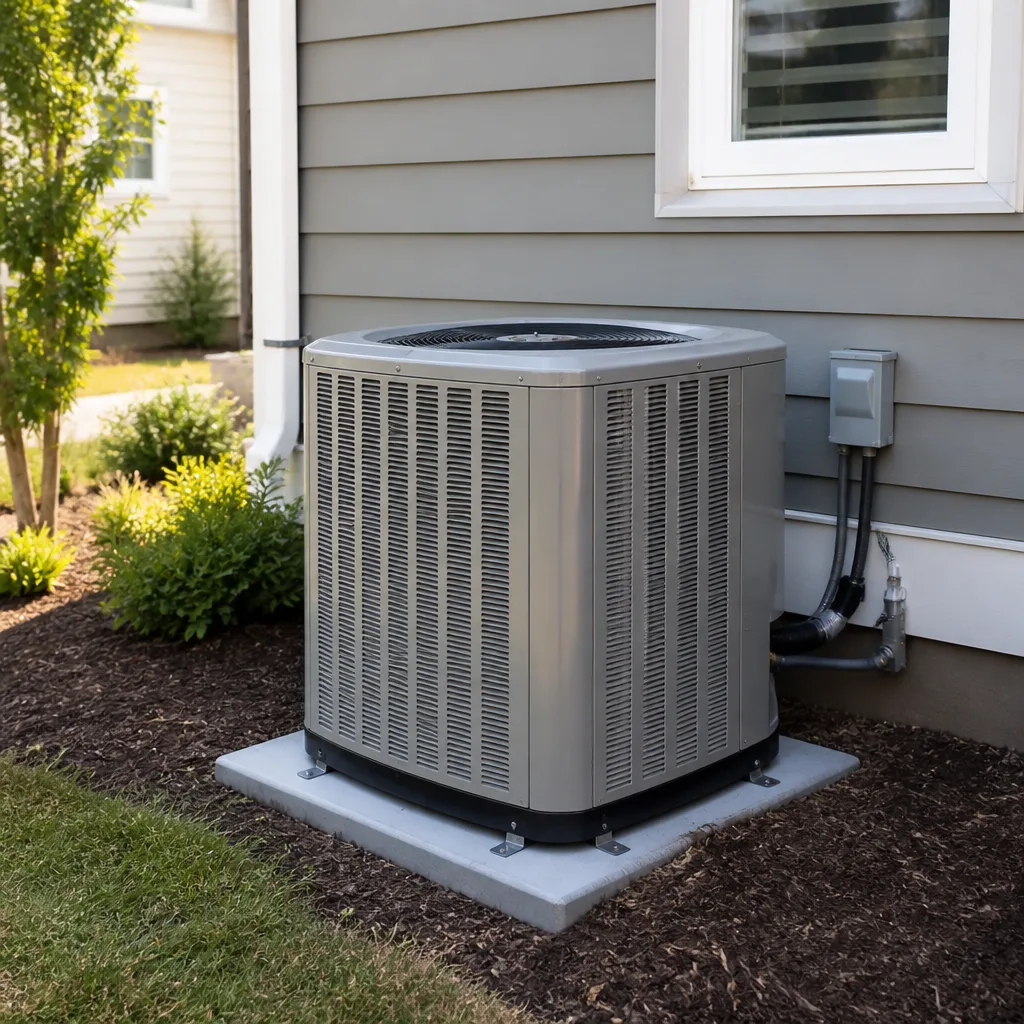 AC repair
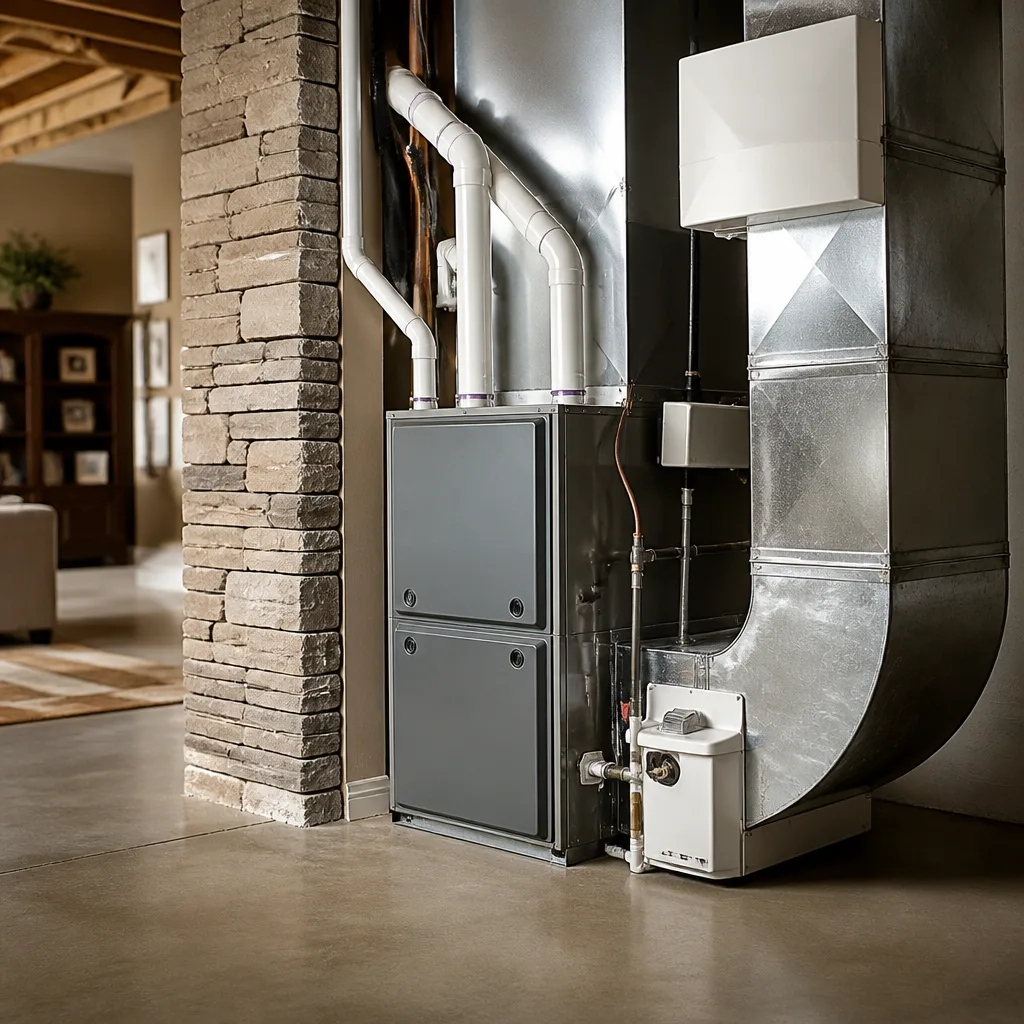 Furnace & heating
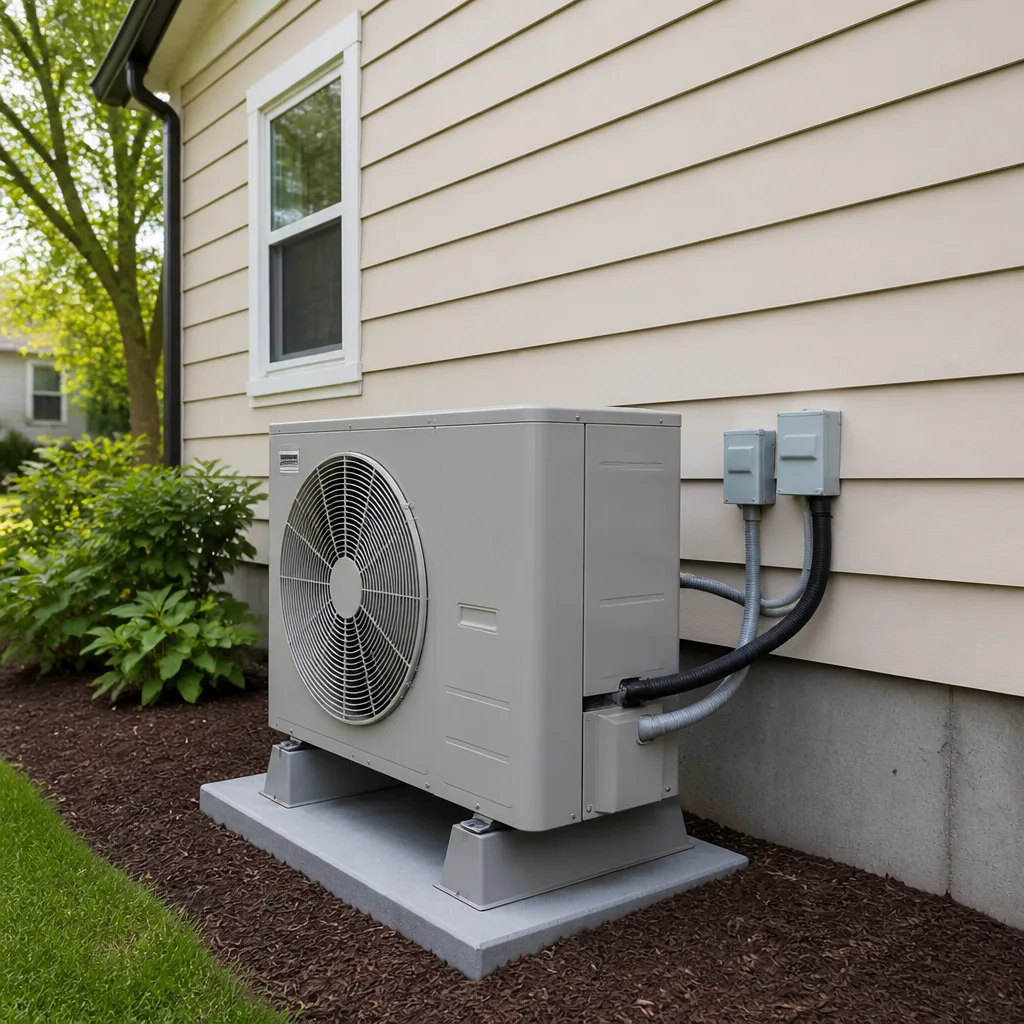 Heat pumps
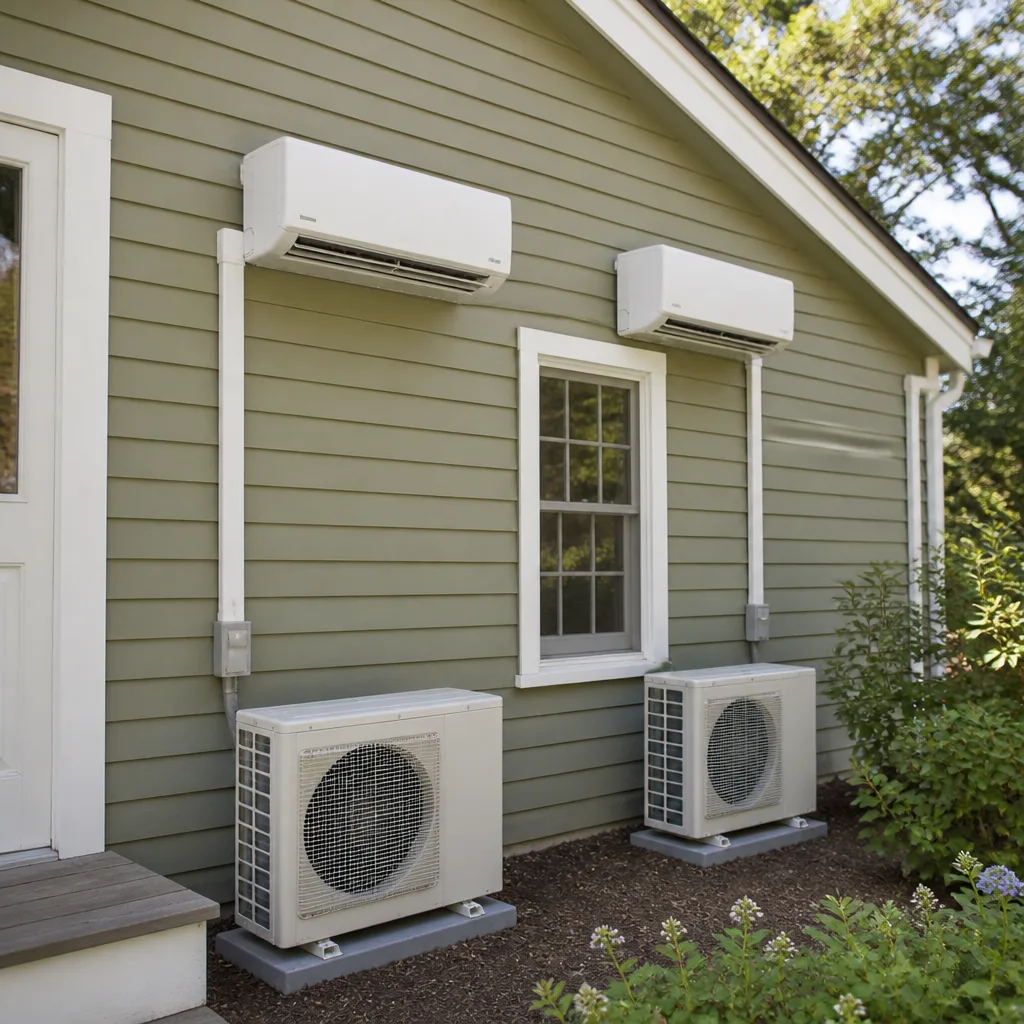 Ductless mini splits
 Carrier
 Trane
 Goodman
Seasonal tune-up and full diagnostic on your Carrier, Trane, or Goodman system - readings shown to you before any repair is proposed
Diagnosis first, numbers second - you approve the repair price before a single part goes in.
Get your free estimateHow to Hire an HVAC Contractor in Miramar: A Step-by-Step Guide
Most homeowners hire an HVAC contractor the way they hire a plumber: somebody’s van is in the neighborhood, the price sounds reasonable, and the work gets done. That approach works fine until it doesn’t. In Florida, HVAC installation is a permitted, inspected trade, and the permit is what protects you, not the contractor. When a residential replacement happens without a permit, the liability lands on the homeowner, and it stays there through resale, insurance claims, and the day a code inspector or a buyer’s agent starts asking questions. We’re not here to scare you into hiring us. We’re here to hand you a screening process you can run on any contractor in Miramar, including the one you already trust, so you can tell the difference between a company with documentation and a company with a sales pitch.
Quick Answer
To hire an HVAC contractor in Miramar, verify the contractor’s state license through DBPR, confirm the license is active and matches the type of work being done, ask for a Manual J load calculation before any equipment is quoted, get three written quotes in the same week, and structure the contract so payment milestones are tied to inspection sign-offs rather than calendar dates. Any contractor who skips the load calculation, treats a permit as optional, or gives only a verbal warranty should be disqualified before you discuss price.
Styles & brands we work with
- AC repair
- Furnace & heating
- Heat pumps
- Ductless mini splits
- Carrier
- Trane
- Goodman
Table of Contents
- Step 1: Verify the Florida License Directly Through DBPR
- Step 2: Ask About Load Calculations Before You Talk Equipment
- Step 3: Get Three Quotes in the Same Week
- Step 4: Confirm the Permit Is Pulled in Your Name
- Step 5: Lock Down the Ductwork Scope in Writing
- Step 6: Structure Payment Around Inspection Sign-Offs
- Step 7: Recognize Miramar’s Specific Red Flags
- Step 8: Score the Quotes and Make the Call
Step 1: Verify the Florida License Directly Through DBPR
In Florida, HVAC contractors are licensed at the state level through the Department of Business and Professional Regulation, and the license you’re looking for is either a CAC (Certified Air Conditioning Contractor) or a CACO (Certified Air Conditioning Class B Contractor, which has narrower scope). Asking “are you licensed?” is useless because every contractor in the room will say yes. Pulling the record yourself takes about three minutes and tells you far more than any answer they give over the phone.
Here’s how to run the check:
- Go to the DBPR license lookup portal.
- Search by the license number the contractor gives you, not by company name. Company names change; license numbers follow the individual or qualifying business entity.
- Confirm the status reads “Active” or “Current,” not “Delinquent,” “Inactive,” or “Suspended.”
- Confirm the license type actually covers the work. A CAC covers installation and repair of complete HVAC systems. A CACO has scope limits you’ll want to understand before you sign.
- Look at the expiration date. A license expiring in a few weeks isn’t a red flag by itself, but a contractor who isn’t tracking renewals isn’t tracking much else.
- Ask for the certificate of insurance separately, and call the insurance carrier to confirm coverage is current and matches the license entity name.
Active versus inactive is the part homeowners gloss over. An active license means the contractor is legally authorized to pull permits and perform the work now. An inactive license means they can’t legally do either, even if they still answer their phone and still have a truck. If the status is inactive, you’re not hiring a contractor. You’re hiring a person who happens to own tools.
Step 2: Ask About Load Calculations Before You Talk Equipment
Before anyone quotes you a tonnage number, they should calculate it. A Manual J load calculation (published by the Air Conditioning Contractors of America) estimates how much heating and cooling your specific home actually needs based on square footage, ceiling height, window orientation, insulation, duct configuration, and the number of occupants. It’s the difference between sizing a system for your house and sizing it for a guess.
Here’s the question that separates real contractors from fast talkers: “What load calculation software do you use, and can I see the Manual J report with my quote?” Any answer other than “we ran Manual J, here it is” should end the conversation.
Why it matters so much in Miramar:
- Oversized systems cool too fast and dehumidify poorly. In a humid subtropical climate, that means a house that hits 72 degrees while feeling clammy.
- Oversized systems cycle on and off repeatedly, which wears out the compressor faster than a correctly sized unit would.
- Undersized systems run constantly, never quite catch up on the hottest afternoons, and burn more energy doing it.
- West-facing rooms in newer Miramar subdivisions and older block homes from the 1980s load very differently, and only a real calculation catches that.
Rule sizing (the “one ton per 500 square feet” shortcut) is what contractors use when they don’t want to do the work. It’s wrong often enough that the state of Florida’s building code requires a proper calculation for new installations. Ask for the report. If they can’t produce it, they skipped it.
Step 3: Get Three Quotes in the Same Week
Three quotes is the standard advice. Three quotes within the same week is the part most guides miss, and it matters more in South Florida than almost anywhere else. Demand for HVAC work here shifts with the season, and equipment availability and pricing move with it. A quote from March and a quote from July are not comparable documents. Get them within a seven-day window and you’re comparing apples to apples.
The schedule also does something else: it compresses the decision cycle so you’re not stuck choosing between a fast contractor who’s overpriced and a slow one who’s competitive. When all three quotes live in the same week, you see the real market spread in Miramar.
What to ask for in each quote:
- Equipment make, model, and tonnage. Every quote should name the specific unit.
- Manual J summary and a line explaining why the tonnage was chosen.
- Line-item pricing for equipment, labor, refrigerant lines, thermostat, and any duct modifications.
- Permit cost and who is responsible for pulling it.
- Warranty terms in writing, split between manufacturer parts coverage and contractor labor coverage.
- Expected install window from contract signature to completion.
If any of the three quotes is missing more than two of these items, that quote isn’t ready for comparison. Ask for a revised version. A contractor who balks at putting the details in writing is telling you something before you’ve even hired them.
Step 4: Confirm the Permit Is Pulled in Your Name
Florida requires permits for HVAC system replacement, and Broward County enforces this through post-installation inspections. The permit protects you in two ways: it forces the work to meet current code, and it gives you a paper trail that follows the property. When you sell a Miramar home, buyers and their agents ask for permit history. An unpermitted replacement can delay or kill a sale, and it can complicate insurance claims if a system failure causes water or fire damage.
Some contractors will tell you the permit is “optional” or that “nobody pulls permits for a straightforward swap-out.” Neither is true. What they’re really saying is that they don’t want the inspection or they can’t legally pull the permit.
How to protect yourself:
- Ask who is pulling the permit and get the permit number in writing before work begins.
- Confirm the permit is in your name as the property owner, with the contractor listed as the licensed agent performing the work.
- Verify the permit through Broward County’s online system once it’s been issued.
- Insist that the final inspection happens before final payment is released.
- Keep the inspection sign-off document with your home records. You’ll want it when you sell.
A contractor who treats permits as routine and hands you the number when you ask is a contractor who does this properly every time. One who treats the question as an inconvenience is not.
Step 5: Lock Down the Ductwork Scope in Writing
Ductwork is where HVAC quotes go to hide. A quote might say “install new system” and say nothing about the ducts the system connects to, which means the homeowner discovers on install day that the ducts are “extra.” Vague duct language is one of the most common ways a written quote ends up costing more than the number on the page, and in Miramar it comes up often because so many homes have attic duct runs that have aged through decades of summer heat.
The scope needs to answer five specific questions:
- Are we replacing all the ductwork, some of it, or none of it?
- If not replacing, what condition are the existing ducts in, and who assessed them?
- Are there any duct modifications required to meet current code for the new system?
- Who seals the system and tests it after installation?
- What happens if the contractor discovers damage mid-install? Is there a cap on additional cost?
If the answer to “what happens if you find damage mid-install” is “we’ll talk about it then,” that’s not a scope. That’s an open-ended invitation. Ask for a written contingency clause. Ask whether duct work is included in the permit. And if a contractor can’t explain duct condition in plain language after inspecting the attic, ask them to walk you through what they saw.
Step 6: Structure Payment Around Inspection Sign-Offs
Payment terms tell you more about a contractor than the price does. A trustworthy contract ties money to milestones; a sloppy one ties money to the calendar. Here’s the structure that protects you:
- Deposit at contract signing: enough to secure equipment but not so much that you’re exposed if the job goes sideways. Never put down more than a contractor can justify in equipment and scheduling terms.
- Second payment at rough-in completion: system set, lines run, before inspection has been scheduled.
- Third payment after mechanical inspection passes: the inspector has signed off on the install itself, not just the paperwork.
- Final payment after system startup and homeowner walkthrough: the technician has verified airflow, refrigerant charge, and thermostat function in your presence, and you have the paperwork in hand.
If a contractor insists on the full price up front or “half at signing, half when we finish,” that’s a warning. If they insist on the full price up front and can’t explain why, that’s the whole warning.
Two more contract details to read carefully. Watch for arbitration clauses that strip your right to file a complaint with DBPR; some contracts bury these. And watch for warranty language that’s vague (“the system will be warranted for X years”). A real warranty names the parties, states what’s covered (parts vs. labor), gives the number of years for each, and explains how to file a claim. Verbal warranties are not warranties.
Step 7: Recognize Miramar’s Specific Red Flags
Miramar’s HVAC market has a few patterns that recur, and knowing them upfront saves you a bad contract. The city spans from older single-family neighborhoods near the eastern edge to newer developments west of Red Road, and the contractor market reflects that range. Some bids come in from companies that work almost exclusively in new construction and don’t handle existing homes well; others come from one-truck operations that will be honest but might not be able to handle a redesign mid-job.
Watch for these specific patterns:
- Permits described as “optional” or “not required for replacements.” They’re required. Full stop.
- “We don’t pull permits, but neither does anyone else who does quality work.” The contractors pulling permits are the ones covered for the work. Someone telling you otherwise is telling you not to check.
- Ductwork scope left vague or open-ended. See Step 5. If the scope is fuzzy, ask them to write it down and reissue the quote.
- Verbal-only warranties. A handshake warranty is worth about as much as a handshake.
- Off-brand equipment at premium prices. A quote that names no model, or names a model you can’t find in any manufacturer catalog, is worth a follow-up question.
- “We work on your brand” as an inquiry killer. If a contractor says “we don’t work on that” about your existing system, ask what brands they do service before assuming your equipment is unsupported.
Our own technicians have up to 12 years of experience across nine of the most widely installed HVAC brands, including Carrier, Trane, Bryant, and American Standard, which is another way of saying: if you’re being told your current equipment isn’t serviceable by the contractor in front of you, get a second opinion from someone who services yours.
Step 8: Score the Quotes and Make the Call
Before you choose, run a five-minute comparison. Write down every quote side by side against these criteria and score each 1 to 3. A contractor who scores well across the board but isn’t the cheapest is usually the right call. A contractor who is cheapest by a wide margin but loses on documentation is usually the wrong call, even if the price makes you want to rationalize it.
The scoring checklist:
- License status: active and matching license type for the work.
- Manual J report: attached to the quote with tonnage explained.
- Equipment: name, model, and tonnage specified for every unit quoted.
- Permit: number verified before install, inspection confirmed before final payment.
- Ductwork: written scope with contingency language.
- Warranty: split between parts and labor, in writing, with a claim process.
- Timeline: install date from signature, realistic for the season.
- Communication: questions answered before the sale, not deflected.
You’re not looking for perfection here. You’re looking for the contractor whose process is documented. Documentation is the single trait that separates a good hire from a bad one in this trade, because it’s what protects you when something doesn’t go according to plan. If you want a second opinion on a quote you’ve already received in Miramar, we’re happy to review it. We work across brands without exclusive manufacturer deals, which means we don’t have a warehouse to clear or a dealer tier to protect.
Common Mistakes to Avoid
- Asking “are you licensed?” instead of checking DBPR yourself. The question invites a yes. The database gives you a status. Check the database, then ask about it.
- Comparing quotes from different months. Pricing and equipment availability shift quickly in South Florida, and a quote from spring vs. a quote from summer is not a fair comparison. Get all three within one week.
- Accepting a quote without a Manual J report. If the tonnage is a rule-of-thumb guess, everything downstream is a guess too. Ask for the report before you discuss price.
- Letting a contractor persuade you that the permit is optional. In Broward County, the permit protects you at resale and in insurance. Opting out means you’re exposed, not the contractor.
- Signing a quote with a vague ductwork line. “Install new system, reuse existing ducts” hides hundreds of variables. Ask exactly what’s included and get a written contingency clause.
- Accepting a verbal warranty. Manufacturer warranties and contractor labor warranties are two different things and both need to be in writing with named periods. If it isn’t written, it doesn’t exist.
- Paying the full price at signing. Even a low overall quote is too much to commit up front. Tie payments to milestones and inspection sign-offs, not to the date on the calendar.
See the difference
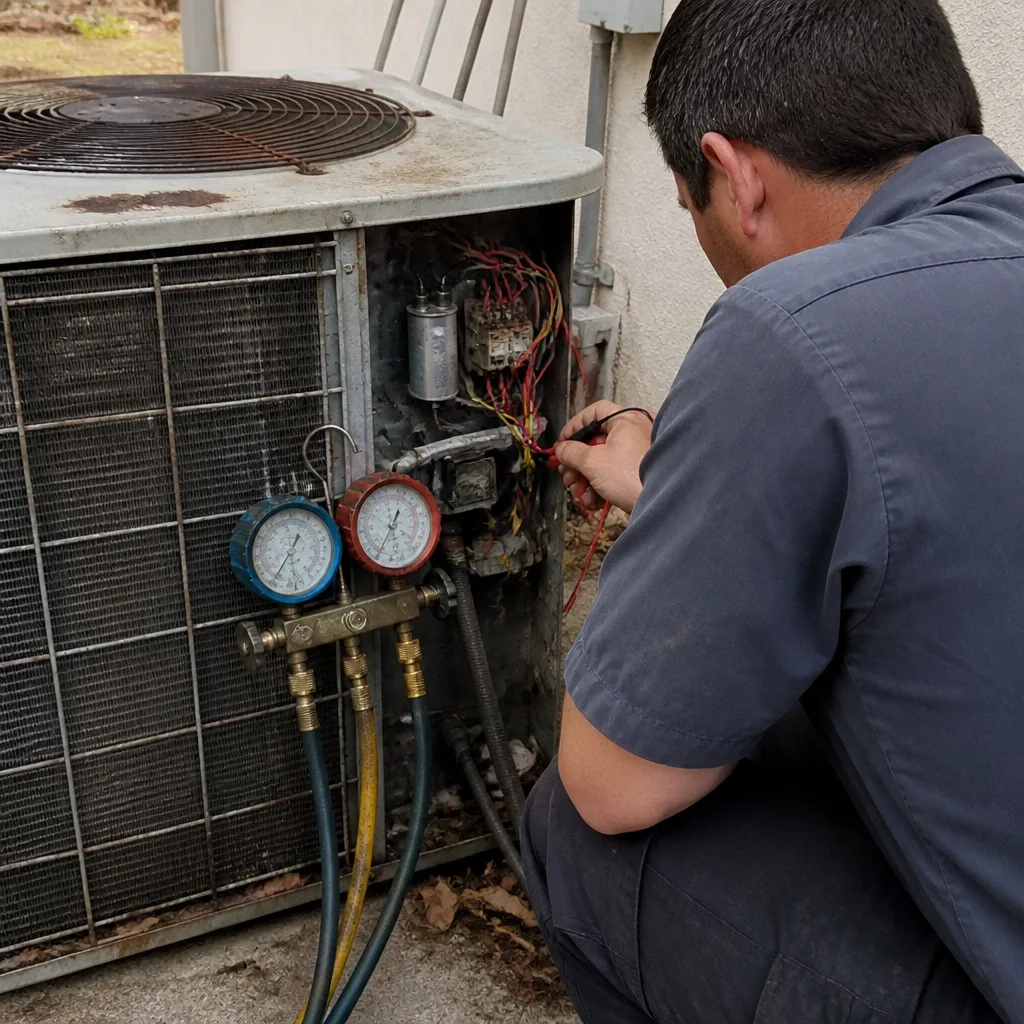 Before
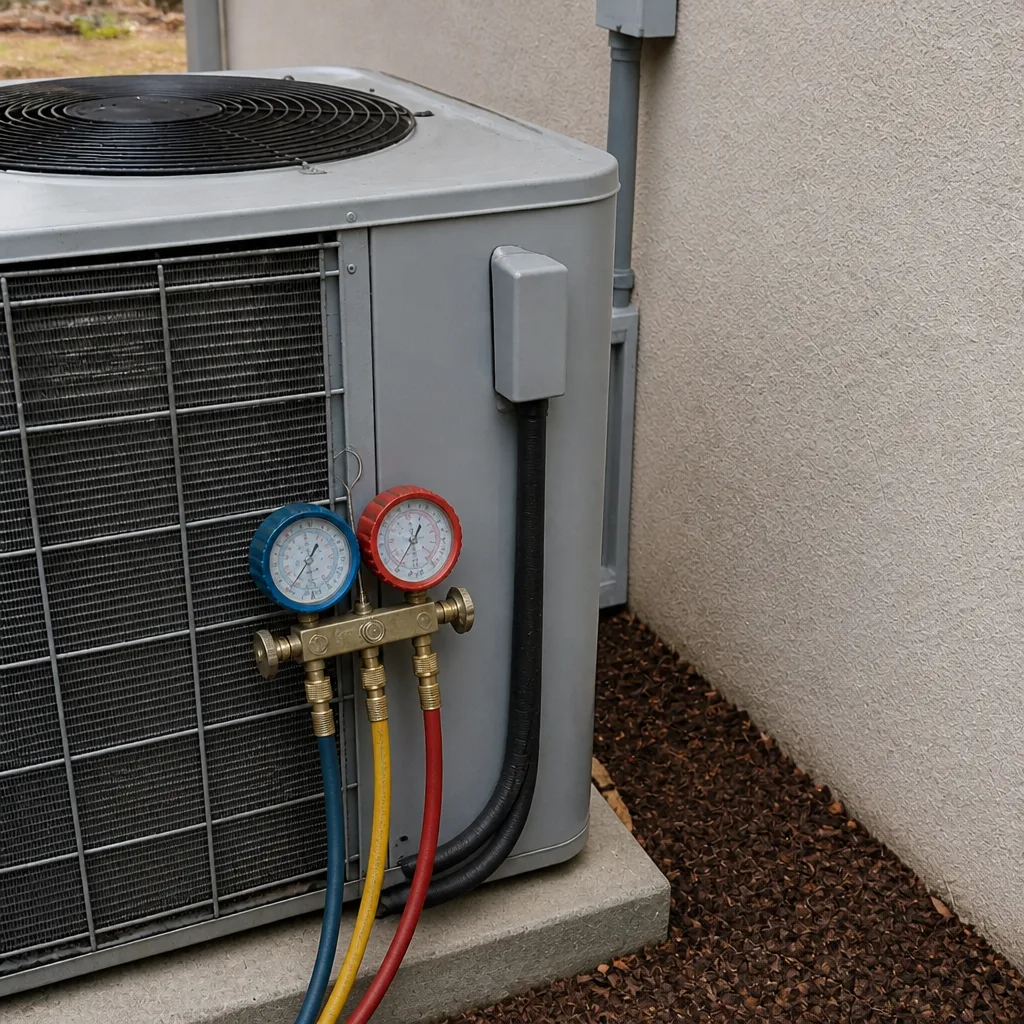 After
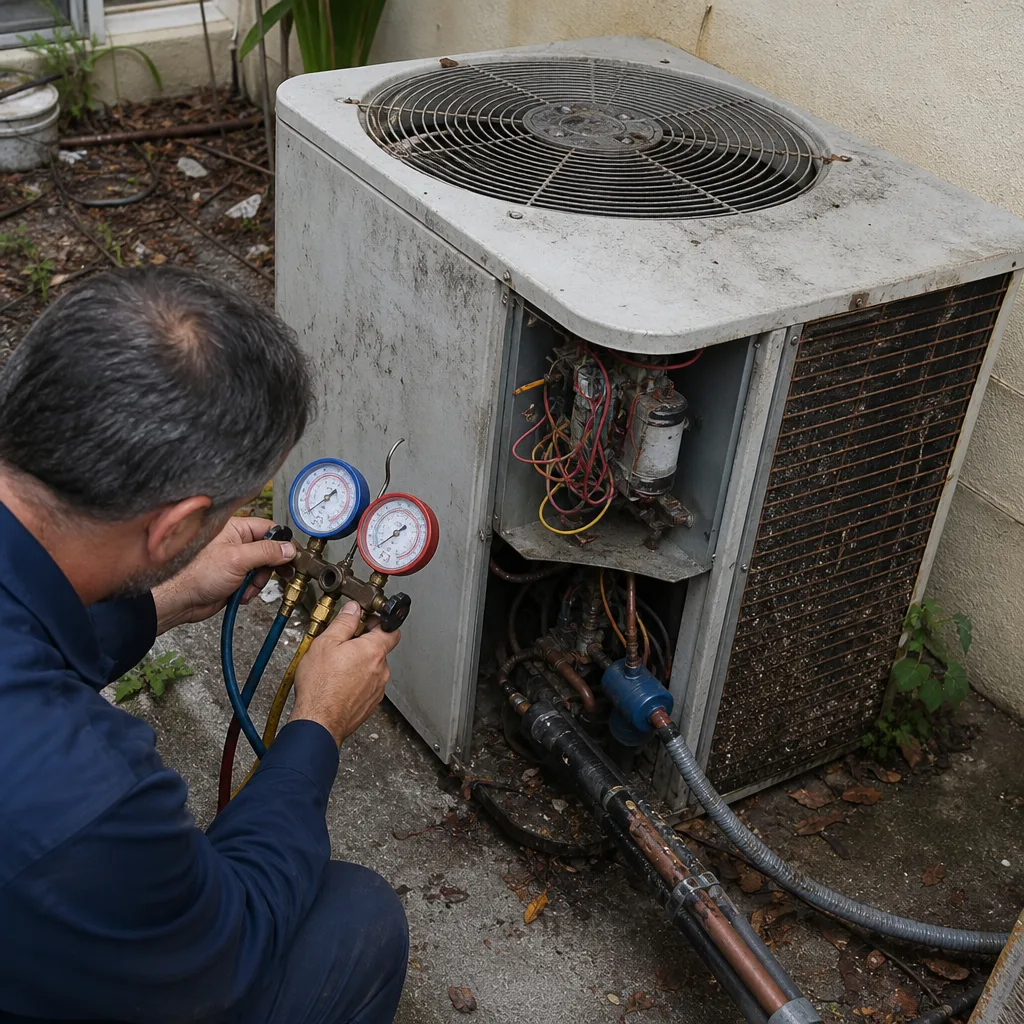 Before
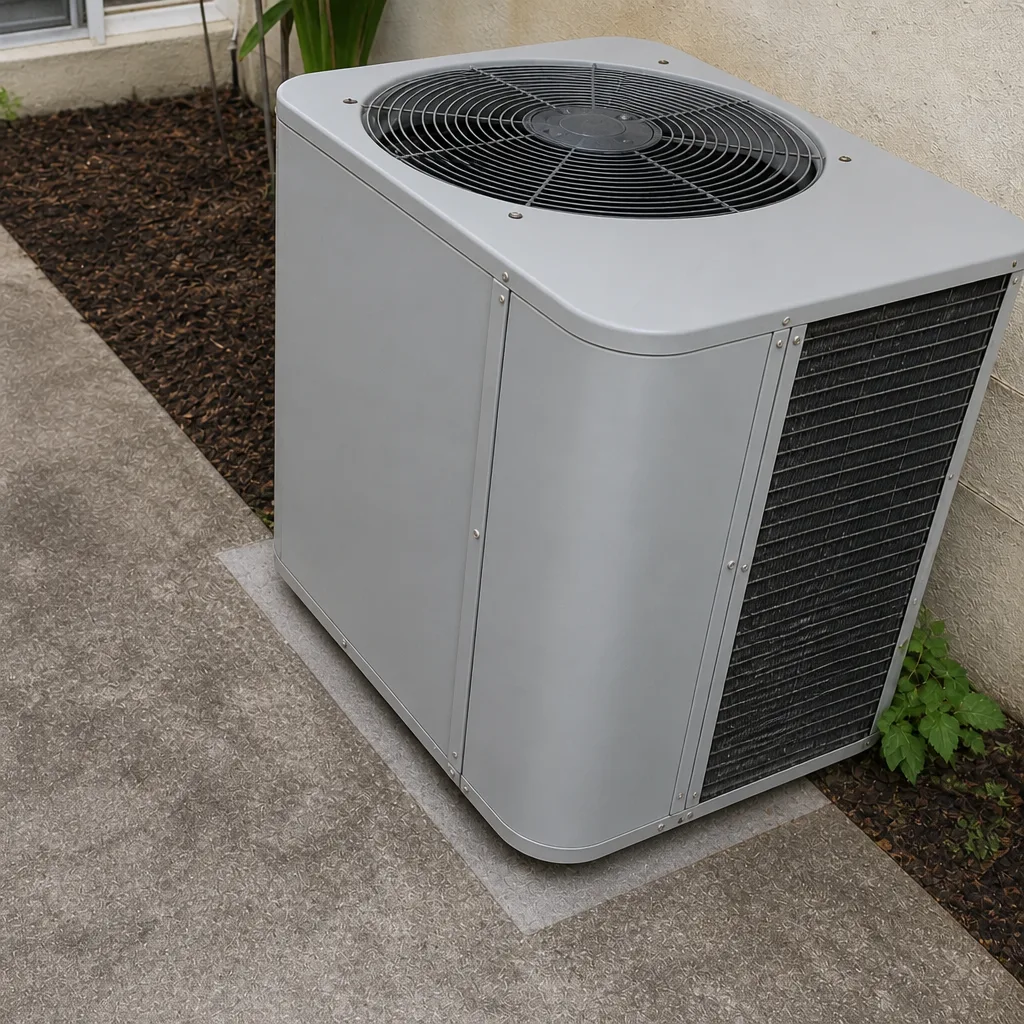 After
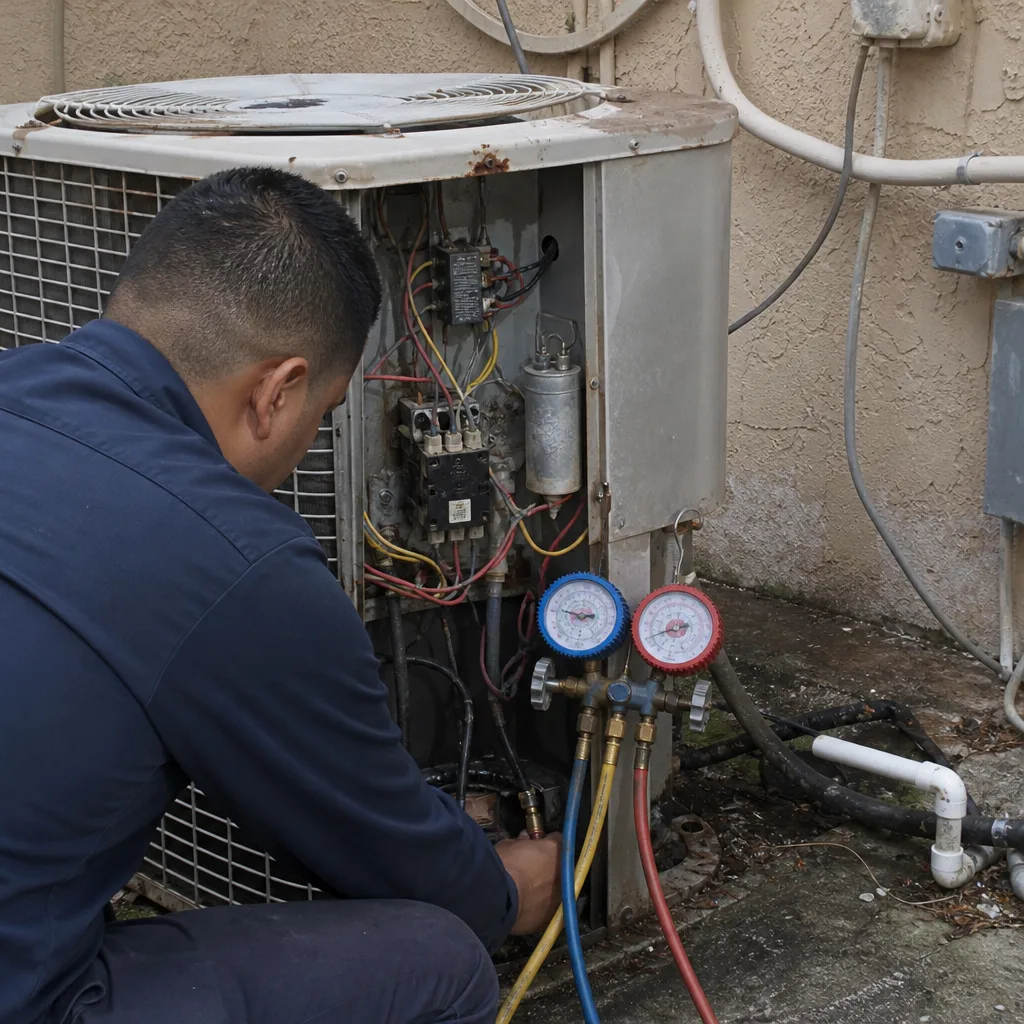 Before
 After
When to Call a Professional
Some HVAC issues are worth a homeowner’s time and some aren’t, and the line between the two is usually about safety. If you smell gas near a furnace or a water heater, if you see burned wiring at the furnace disconnect, if an electrical panel trips repeatedly when the AC starts, or if the system’s breaker trips more than once, leave the panel closed and call a licensed technician. Those aren’t homeowner problems. They’re the kind of problem that turns into a much bigger one if you get it wrong. The same goes for any system that’s more than a decade old and needs a repair that’s approaching the cost of replacement. That’s the moment to ask whether a repair is worth doing, and it’s a conversation worth having with someone who doesn’t have a warehouse to clear. Steadfast AC Repair offers free estimates in Miramar. Call (855) 627-2574. We answer 24/7. Fast dispatch from 7am to 7pm, Sunday through Friday.
Frequently Asked Questions
Search the contractor’s license number, not company name, on the Florida DBPR portal and confirm the status reads Active. An active CAC or CACO license means the contractor can legally pull permits and perform HVAC work in Florida. An inactive or delinquent license means they cannot, regardless of what they tell you on the phone, so always pull the record yourself before signing.
A Manual J load calculation is a room-by-room engineering estimate of how much cooling and heating your specific home needs, based on windows, insulation, ceiling height, duct configuration, and occupant count. Ask for the report with every quote and disqualify any contractor who can’t produce one. Skipping the calculation means the system was sized by guess, which leads to poor humidity control, higher energy bills, and shorter equipment life in a Miramar summer. Call (855) 627-2574 for an estimate that includes the load calculation.
Yes. System replacement is a permitted, inspected process in Broward County, and the permit must be pulled in your name as property owner with the contractor listed as the licensed agent performing the work. Confirm the permit number in writing before work begins and verify it through the county’s online system. A contractor who describes the permit as optional is telling you they either can’t pull it or don’t want the inspection.
Get three written quotes, all within the same week. Three quotes is standard advice; same-week is the part that matters. Equipment pricing and availability shift quickly in South Florida’s high-demand season, so quotes from different months aren’t comparable. Same-week quotes also compress your decision timeline, which keeps you from choosing between the fastest option and the fairest price.
You shouldn’t. A contractor who tells you “we don’t work on that” is telling you they aren’t the right fit for your equipment, not that your equipment is unsupported. We service nine of the most widely installed HVAC brands, including Carrier, Trane, Bryant, and American Standard, so whether you need furnace repair or a cooling diagnosis, the answer is never “we can’t work on yours.” Call (855) 627-2574 to schedule a free estimate.
It depends on the age of the equipment, the size of the repair, and whether the rest of your system (including ductwork) is sound. A rule of thumb is that a repair costing a significant fraction of replacement cost on a system near the end of its typical service life usually points toward replacement. For a straight diagnosis and a clear recommendation on your specific system, call (855) 627-2574. We run a load calculation before recommending replacement, so the recommendation is based on what your home needs, not on a sales target.
The Bottom Line
Hiring an HVAC contractor in Miramar comes down to documents, not promises. Verify the DBPR license yourself. Require a Manual J calculation before you discuss equipment. Get three quotes in the same week. Confirm the permit is pulled and the inspection is scheduled before final payment. Lock the ductwork scope in writing and structure payments around milestones. The contractors who do all of this consistently are the ones you want working on your home. The ones who balk at any of it are the ones to walk away from, even if the price looks better on the page. If you’re ready to compare, Steadfast AC Repair offers free estimates in Miramar. We work on nine major HVAC brands without exclusive manufacturer ties, which means the recommendation is about your home, not a dealership shelf. Call (855) 627-2574 for a free estimate. We answer 24/7. Fast dispatch from 7am to 7pm, Sunday through Friday. You can also read more about our AC installation work or browse our Miramar page for local context, and learn more about Steadfast AC Repair.
Written by the team at Steadfast AC Repair.