
Last updated November 16, 2026
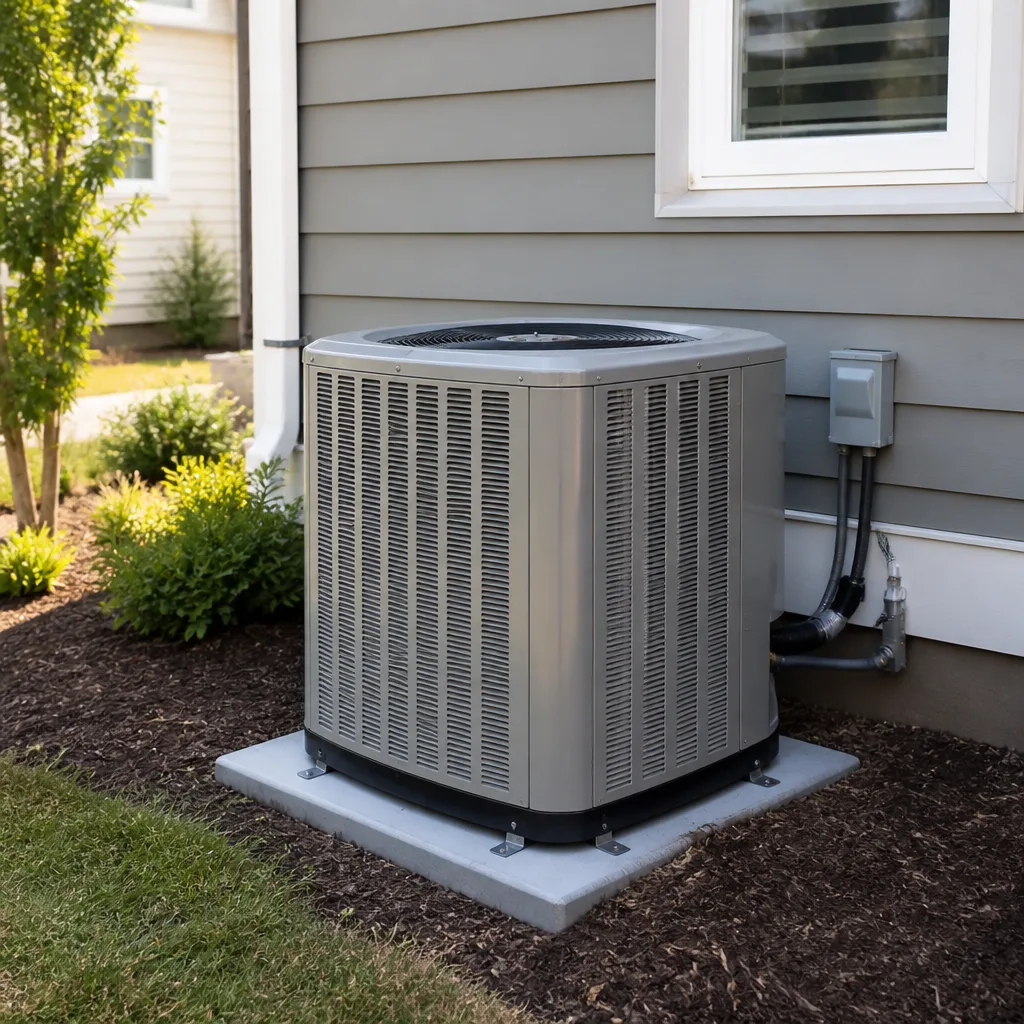 AC repair
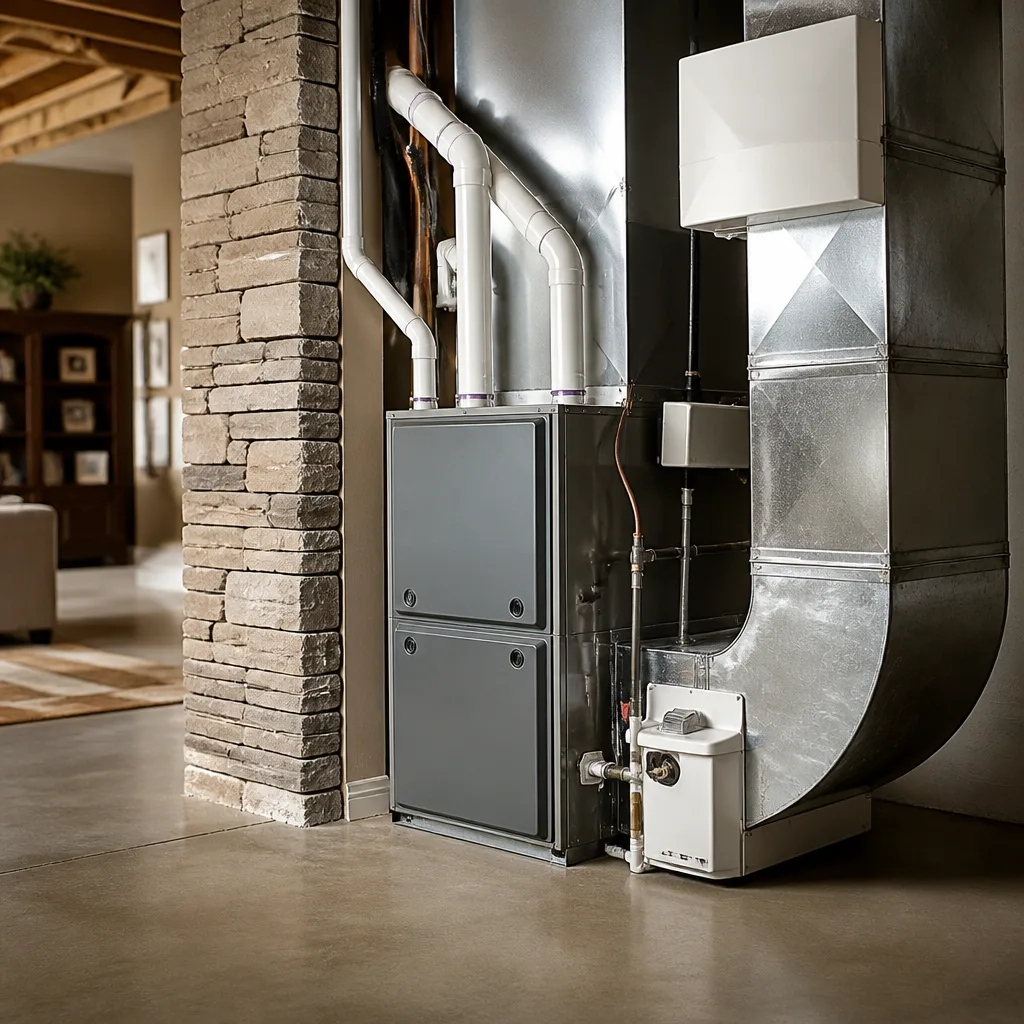 Furnace & heating
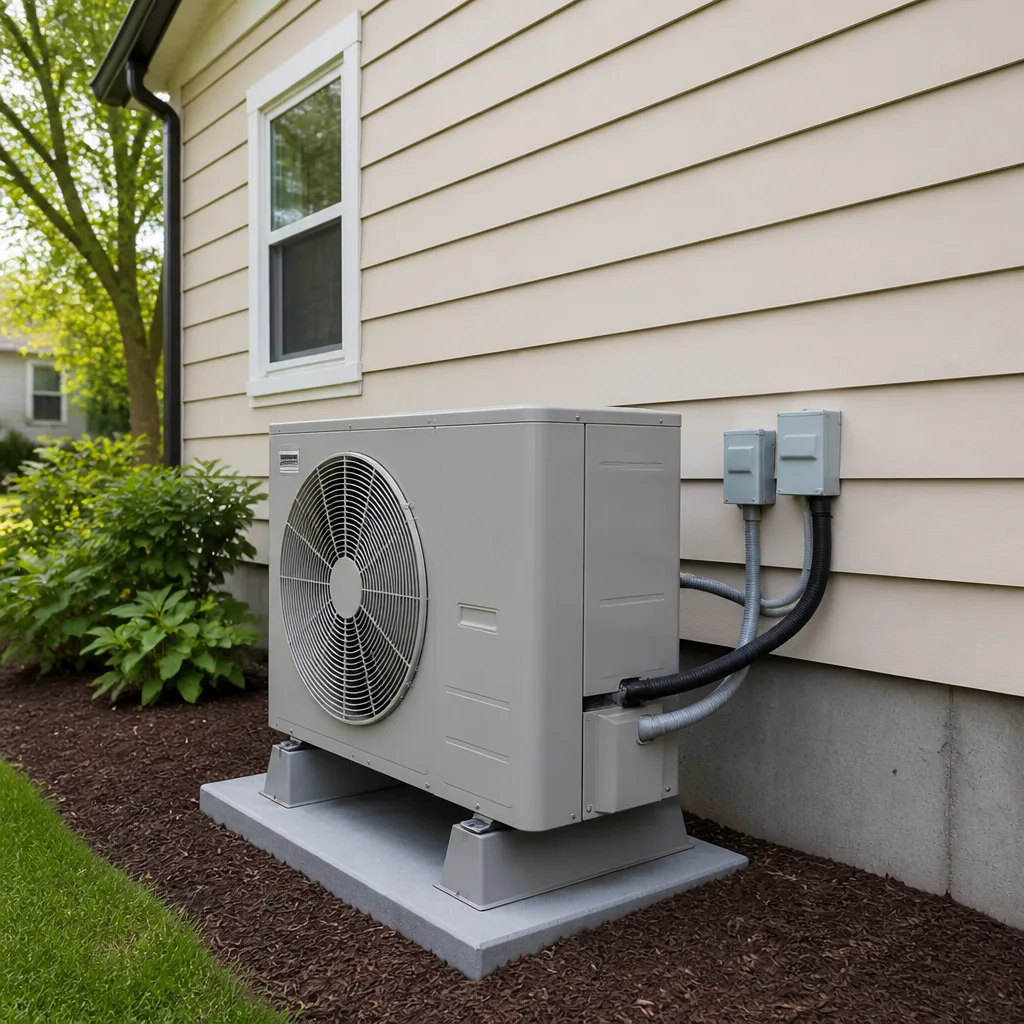 Heat pumps
 Ductless mini splits
 Carrier
 Trane
 Goodman
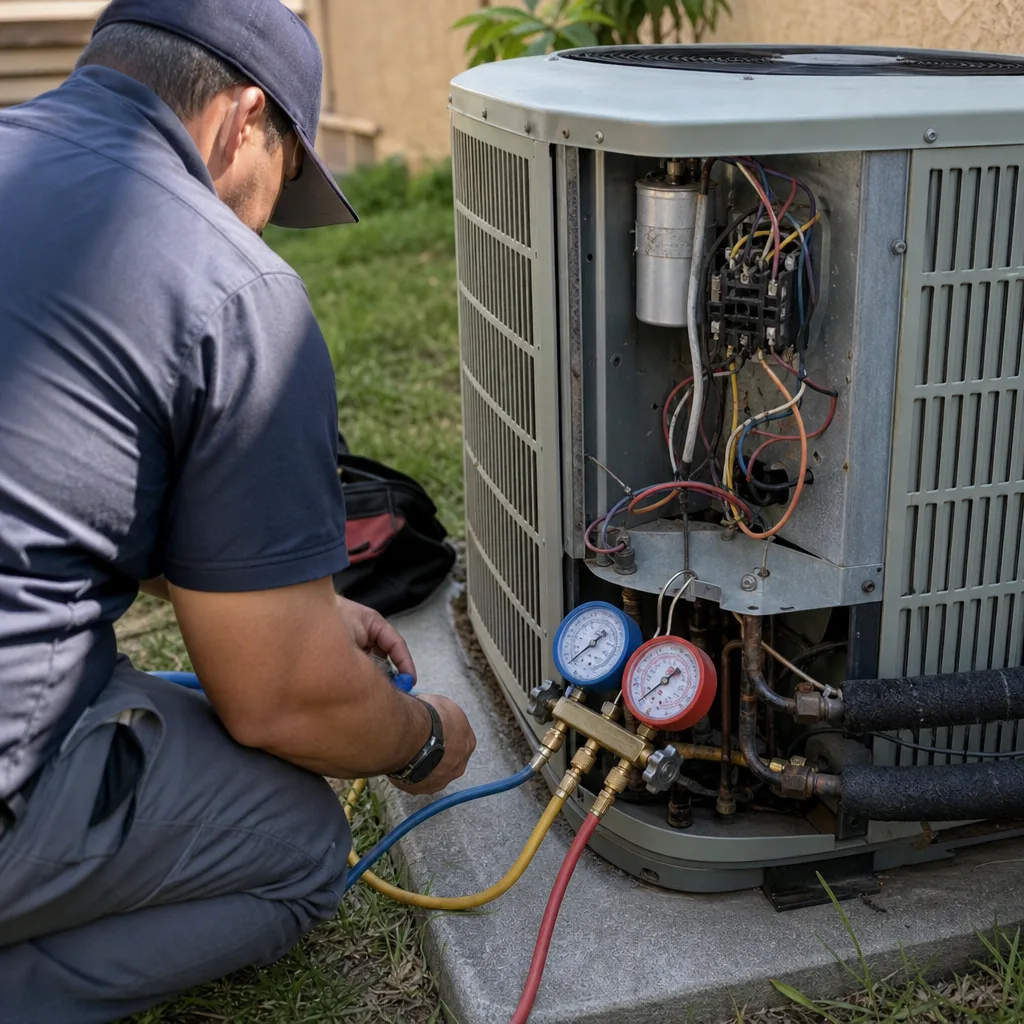
Seasonal tune-up and full diagnostic on your Carrier, Trane, or Goodman system - readings shown to you before any repair is proposed
Diagnosis first, numbers second - you approve the repair price before a single part goes in.
Get your free estimateHVAC Permits, Codes & Inspections in Miramar, FL: What You Need to Know
Most Miramar homeowners assume the contractor handles the permit, and most of the time that assumption is correct. The surprise comes later, when an HVAC installation gets flagged during a home sale inspection and the current owner discovers that Florida liability follows the deed, not the installer. The contractor who cut a corner may be long gone. The permit record stays with your property. This guide explains which HVAC work in Miramar, FL actually needs a permit, how Broward County and municipal review differ, what inspectors look for at rough-in and final, and how to check a property’s permit history before you buy.
Quick Answer
In Miramar, any HVAC work that replaces a system, adds or relocates equipment, or changes the electrical or refrigerant connections requires a building permit reviewed under the Florida Building Code, which Broward County enforces through inspection. A simple repair or a like-for-like component swap usually does not need one. The permit record becomes part of your property’s permanent file, so an unpermitted install becomes your problem when you sell, even if someone else did the work.
Styles & brands we work with
- AC repair
- Furnace & heating
- Heat pumps
- Ductless mini splits
- Carrier
- Trane
- Goodman
Table of Contents
- Which HVAC Jobs in Miramar Need a Permit
- Broward County vs. Miramar Municipal Permits
- Florida Building Code Section 1101 and Replacement Work
- Rough-In vs. Final Inspection: What Each One Covers
- How to Look Up Permit History on a Miramar Property
- The Homeowner Permit Exemption in Florida
- What to Expect From an HVAC Contractor on Permitting
Which HVAC Jobs in Miramar Need a Permit
The short version: a permit is triggered by anything that changes the system itself, its connections, or where it sits in the home. Repairs to a failed part inside an existing system generally do not require one. The line between the two matters, so here is how it breaks down in practice.
Permit typically required:
- Full system replacement, including a condenser and air handler change-out
- New construction or first-time installation of air conditioning in a home
- Adding a ductless mini-split to a room that had no cooling
- Relocating an air handler, condenser, or thermostat with new wiring
- Changing the refrigerant line set or adding a new drain line
- Ductwork alterations that affect fire separation or structural openings
- Any change to the electrical circuit feeding the equipment
Permit usually not required:
- Replacing a capacitor, contactor, blower motor, or thermostat as a direct swap
- Recharging refrigerant after a verified leak repair
- Cleaning coils or clearing a condensate drain
- Replacing a filter, belt, or fuse
Miramar sits in a climate where cooling runs for most of the year, so a replacement is not a once-in-a-lifetime decision here. Many homes in Miramar have already had two or three condensers on the same slab. Each one should have a permit. A homeowner buying a house in a Miramar neighborhood can have three replacement systems on the roof or slab and no permit record for any of them, and that becomes a disclosure problem during the sale. When you’re evaluating a big change like this, it helps to see the full scope of AC installation before you sign anything so you understand which steps involve inspections.
Broward County vs. Miramar Municipal Permits
This is where a lot of Miramar homeowners get confused, and where timelines diverge. Broward County and the City of Miramar both handle building permits depending on the scope of the work and who is submitting. The county and the city have their own intake processes, plan review queues, and inspection schedules. Which one takes your job changes how long the paper sits before anybody touches a wrench.
At a practical level:
- Permits pulled through Broward County follow the county’s online submission and inspection scheduling system.
- Permits handled at the municipal level go through the city’s building department review and inspection queue.
- Both review the work against the Florida Building Code, so the standard is the same even when the process isn’t.
- Inspection turnaround can differ between the two, and that affects when a replacement can be signed off and closed.
The right move is to ask, in writing, who will be submitting the permit before work begins. A licensed HVAC contractor will know which path applies to your job and can tell you without guessing. A contractor who shrugs off the question or suggests skipping the permit “to save time” is telling you something about how they treat the rest of the job. We work with homeowners across Miramar on replacements in both review channels, and the process is routine when it’s handled from the start rather than added after the fact.
For a new install or a full replacement, expect the permit to be submitted before the job is scheduled, not after equipment has been ordered. Plan review can happen concurrently with equipment lead time if the contractor is organized. If a company wants your system ordered before the permit is filed, that’s a red flag worth pausing on.
Florida Building Code Section 1101 and Replacement Work
Florida Building Code Section 1101 addresses existing buildings and how changes to them are governed. The homeowner version of what it means: when you replace a mechanical system in an existing home, the replacement has to meet the code requirements that apply to the equipment and its installation, not the standards that existed when the original system was installed. In plain terms, you can’t grandfather a non-compliant installation simply because it’s a replacement.
A few things that come up on the mechanical side under Section 1101 in Miramar replacement work:
- Equipment approval: the new condenser and air handler must be listed equipment and installed per the manufacturer’s instructions.
- Clearances and access: service access around the air handler and condenser has to meet code, which matters in tight closets and on properties where fences crowd the equipment.
- Combustion air and venting: for gas-fired heating equipment, replacement must maintain or improve combustion air and venting compliance.
- Condensate disposal: primary and secondary drain handling must be code-compliant, which matters in a climate where an overflowing pan can damage ceilings before anyone notices.
- Electrical protection: disconnects and overcurrent protection for the new equipment must match what the equipment requires.
Section 1101 also underlies the inspection sequence. The replacement work has to be inspectable in stages, which is why a rough-in inspection happens before the system is closed up and a final inspection happens once it’s running. Skipping either one leaves the permit open, and an open permit on a property is a title issue when it comes time to sell. If your furnace is part of the replacement scope, furnace repair and furnace replacement fall under the same mechanical code review as the cooling side, even though Florida doesn’t have the winter load northern states do.
Rough-In vs. Final Inspection: What Each One Covers
Two different inspections happen on a permitted HVAC job, and they check two different things. Understanding the difference helps you read an inspection notice without panicking and helps you know what a contractor should have ready.
Rough-in inspection
This happens before the system is complete and closed in. The inspector is looking at the work in progress, so the system is not running yet.
- Refrigerant line set installation: routing, protection, insulation, and correct brazing. The inspector wants to see the lines before drywall or chase covers hide them.
- Electrical rough-in: conductor sizing, disconnect, conduit routing, and whether the circuit matches the equipment nameplate.
- Condensate drain routing: primary and secondary drains, slope, and termination point.
- Ductwork in walls and chases: sealing, support, and clearances to combustibles where applicable.
- Equipment placement: air handler position, access clearance, and whether the condenser location meets manufacturer and code clearance requirements.
- Venting and combustion air for gas heating equipment if the job includes it.
Final inspection
This happens after the system is installed, charged, and operational. The inspector verifies the work is finished and functional.
- System operation: the equipment starts, runs, and produces cooling or heating as designed.
- Refrigerant charge documentation: verification that the charge is correct per the equipment specifications.
- Electrical connections complete: disconnects installed, covers in place, labeling correct.
- Condensate disposal verified: primary and secondary drains tested.
- Equipment labeling and data plates intact: model and serial numbers readable and matching the permit.
- Permit and inspection card closed out with the job signed off.
If the rough-in fails, the correction has to happen before the system gets closed up. If the final fails, the equipment is functional but the permit stays open. Both are fixable, but both cost time. In Miramar, where the cooling season is long, a failed final on a new install in July is a much bigger problem than one in January because the homeowner is living in the heat while corrections are made. That’s why the rough-in inspection being done correctly is worth slowing down for.
How to Look Up Permit History on a Miramar Property
Before you buy a Miramar home, look up its permit history. This is the single most useful 30 minutes you can spend on due diligence, and it costs nothing.
- Start with the city or county online permit portal. Miramar and Broward County both maintain searchable permit databases. You’ll search by address or folio number.
- Look for HVAC-specific permit records. Every condenser replacement and air handler install should have its own permit number and final inspection sign-off.
- Check the inspection status of each one. A permit with no final inspection is a red flag. It means the work may have been done but never signed off.
- Compare permits to equipment dates. The model and serial numbers on the equipment have date codes. If the equipment is dated after the last permit on record, that installation was likely unpermitted.
- Ask the seller to provide permit documentation. A well-maintained Miramar home will have a folder or digital record of past permits, and a homeowner who has done this correctly will not hesitate.
- Discuss any gaps with your real estate agent and a licensed HVAC contractor before closing. Depending on what’s found, the fix may be retroactive permitting, an inspection, or negotiation on price.
What do unpermitted work flags mean for insurance? Several things can happen. Insurers can decline to cover a loss connected to unpermitted work, require corrections before they’ll continue a policy, or increase premiums. In some cases an insurer won’t raise the issue at all until you file a claim, which is the worst possible time to discover the gap. If you’re buying a Miramar property with a suspicious permit history, get it resolved before the policy is written. When you need a straight answer on what a system’s real condition and permit status are, we can help. For broader local service coverage, see our Miramar page.
The Homeowner Permit Exemption in Florida
Florida allows a homeowner to pull a permit for work on their own primary residence under limited circumstances, and HVAC work is one of the areas where this comes up. The exemption exists. It is narrower than most people assume, and the responsibility it places on you is much larger than the paperwork suggests.
The typical shape of the exemption:
- The property must be the homeowner’s primary residence, not a rental or investment property.
- The work must be performed by the homeowner personally, not by a contractor hired on the homeowner’s permit.
- The homeowner must be able to demonstrate working knowledge of the applicable code provisions.
- Permits cannot be pulled on more than one property at a time under the exemption.
- The homeowner must be on site and able to supervise the work.
What you take on when you pull your own permit:
- Code compliance: you are the code authority for the job. You own every failure at rough-in and final.
- Inspection scheduling: you schedule and attend inspections. If a rough-in fails, you fix it and reschedule.
- Safety exposure: HVAC work involves high-voltage electrical connections, refrigerant handling under federal rules, gas piping on the heating side, and rotating equipment. This is not a category where the margin for error is forgiving.
- Insurance consequences: some insurers will not accept a homeowner-permitted HVAC install. It’s worth asking before you go down this path.
- Warranty and resale: manufacturer warranties have installation requirements. If the install isn’t done right, warranty coverage can be affected, and the buyer’s inspector on a future sale will find the same thing.
Our honest assessment: for a simple repair, the question rarely comes up. For a replacement or new installation in Miramar, the exemption is technically available and practically unwise. The permit is a few hundred dollars of process protecting equipment worth thousands and a liability that stays with your property. If you’re facing a replacement and want a straightforward answer about what permitting involves for your specific home, call us. We’re licensed and insured, we work on equipment from Rheem, York, Daikin, Bryant and several other major manufacturers, and we don’t treat permitting as a checkbox.
What to Expect From an HVAC Contractor on Permitting
A contractor’s permitting behavior tells you almost everything about how they operate. Here’s what a professional process looks like from your side of the table.
- Permit is discussed during the estimate, not after. The contractor knows before the proposal is written whether the job needs a permit and which jurisdiction handles it.
- Fees are disclosed in the written estimate. Permit fees are typically passed through to the homeowner and should be itemized, not hidden in the labor line.
- The contractor is responsible for submitting, scheduling inspections, and closing the permit. A homeowner should not be chasing the permit.
- Final inspection sign-off is part of the job completion. A contractor who considers the job done before the final inspection has passed is not done.
- Documentation is provided at the end. You should receive the permit number and the final inspection approval.
Red flags:
- “You don’t need a permit for a replacement.” (In Florida, you almost always do.)
- “We’ll pull the permit if you insist.” (This means they don’t pull them by default.)
- “Permits slow things down so we skip them.” (They slow things down because they exist to protect you.)
- No permit number or inspection documentation provided at completion.
At Steadfast AC Repair we handle permitting as a standard part of installation and replacement work for homeowners across Miramar. We handle both cooling and heating under one company, so a replacement that touches both sides of the system goes through one permitting process. Our technicians have up to 12 years of experience, and we’ve worked through rough-in and final inspections on the range of major equipment brands homeowners actually own. If you’re working with Steadfast AC Repair on a replacement, our position is straightforward: the permit is not optional, and the job isn’t closed until it’s inspected.
Common Mistakes to Avoid
- Trusting the contractor’s promise and not verifying the permit record. The permit is only real if it’s pulled and closed. A verbal promise to “handle it” means nothing without a permit number and a final sign-off.
- Skipping the permit to save time during a summer replacement. In Miramar, a system failure in August can feel like an emergency, and the temptation to bypass permitting is real. The time saved upfront becomes weeks of corrections when you sell.
- Assuming the city permit covers everything. Broward County and Miramar have separate review processes for different scopes. Confirm which jurisdiction is handling your specific job.
- Pulling a homeowner permit without understanding what you’re taking on. The form is short. The responsibility is not. Refrigerant handling and high-voltage connections are not forgiving areas for a first attempt.
- Not checking permit history before buying a Miramar home. This is the single most common place liability transfers quietly. A buyer who knows what to look for can walk away or negotiate; a buyer who doesn’t, inherits the problem.
- Assuming insurance won’t care. Insurers increasingly ask about unpermitted work, and some will require corrections before continuing a policy. Ask your insurer directly about how they treat homeowner-permitted HVAC work.
- Confusing a rough-in pass with a closed permit. A rough-in inspection that passes is not a final inspection. An open permit on a property is still a problem at sale even if the rough-in went fine.
See the difference
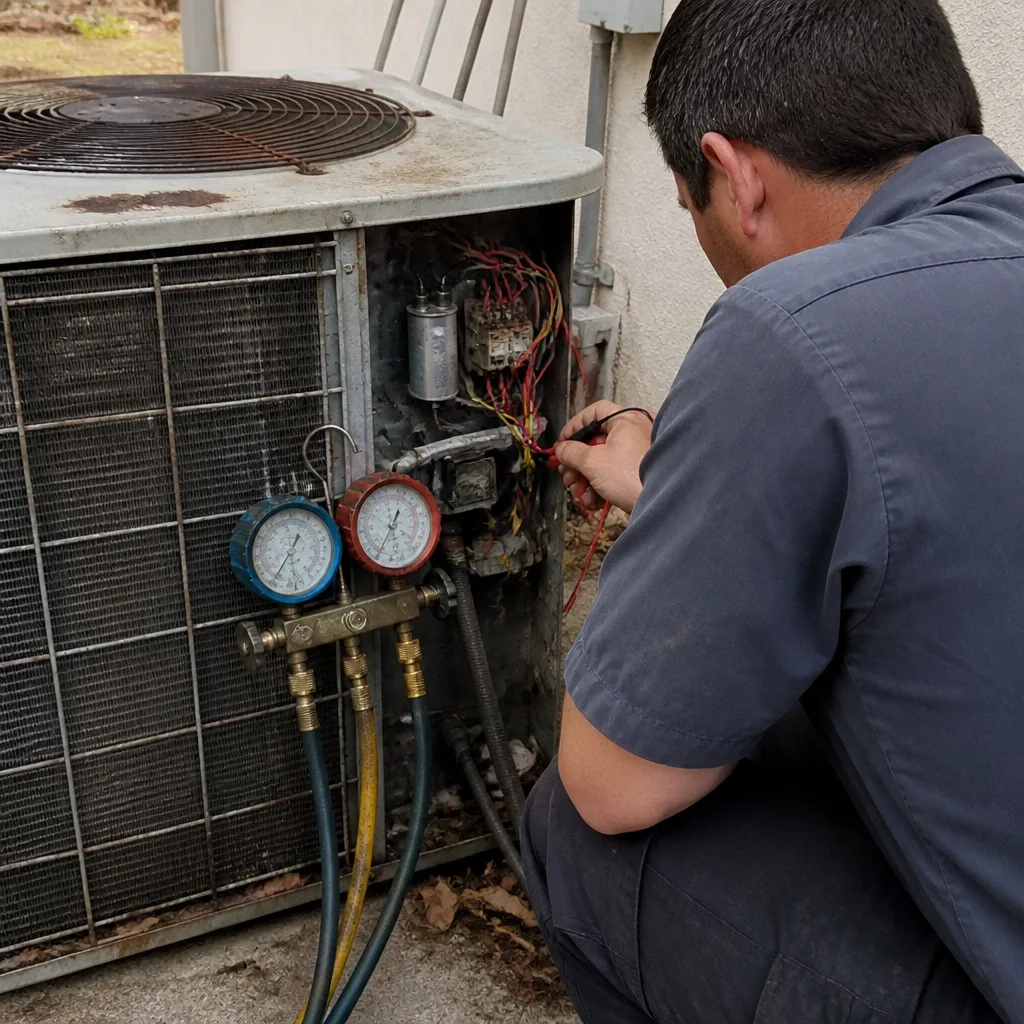 Before
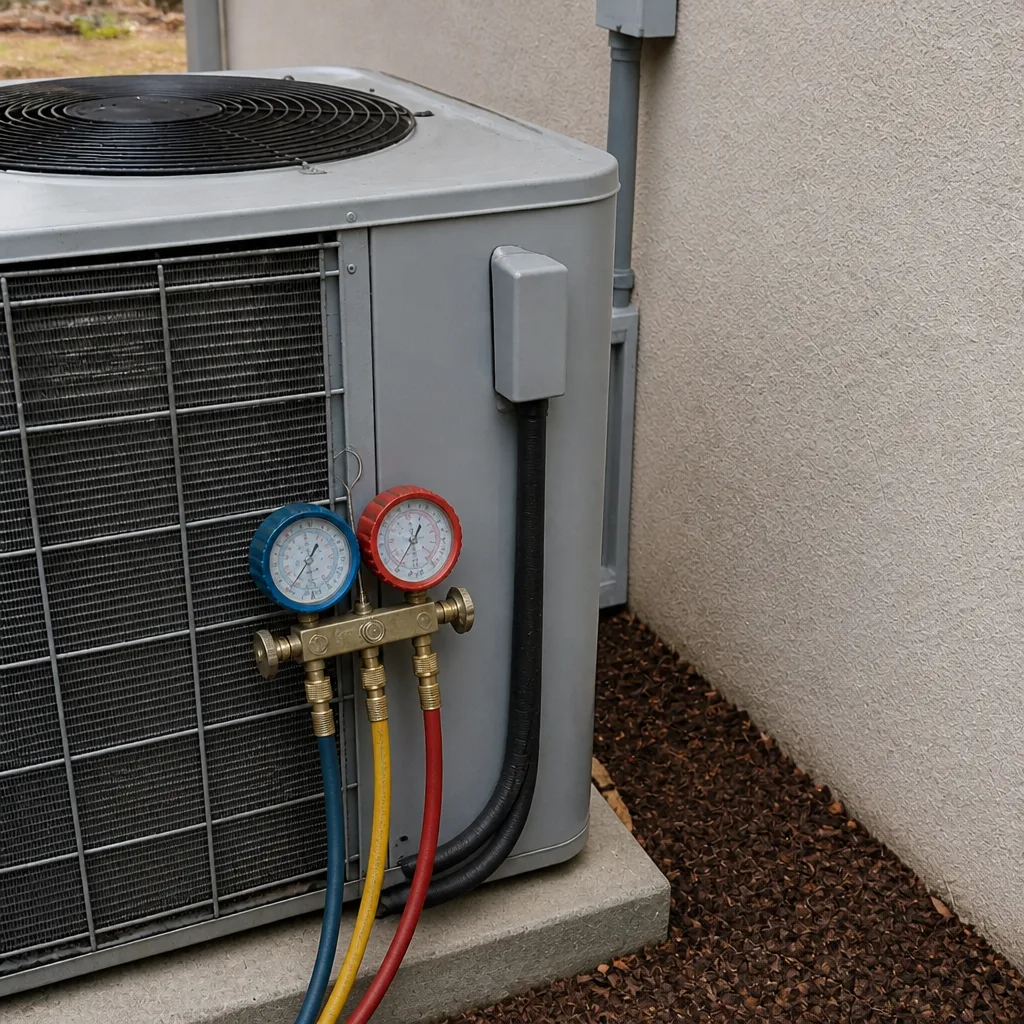 After
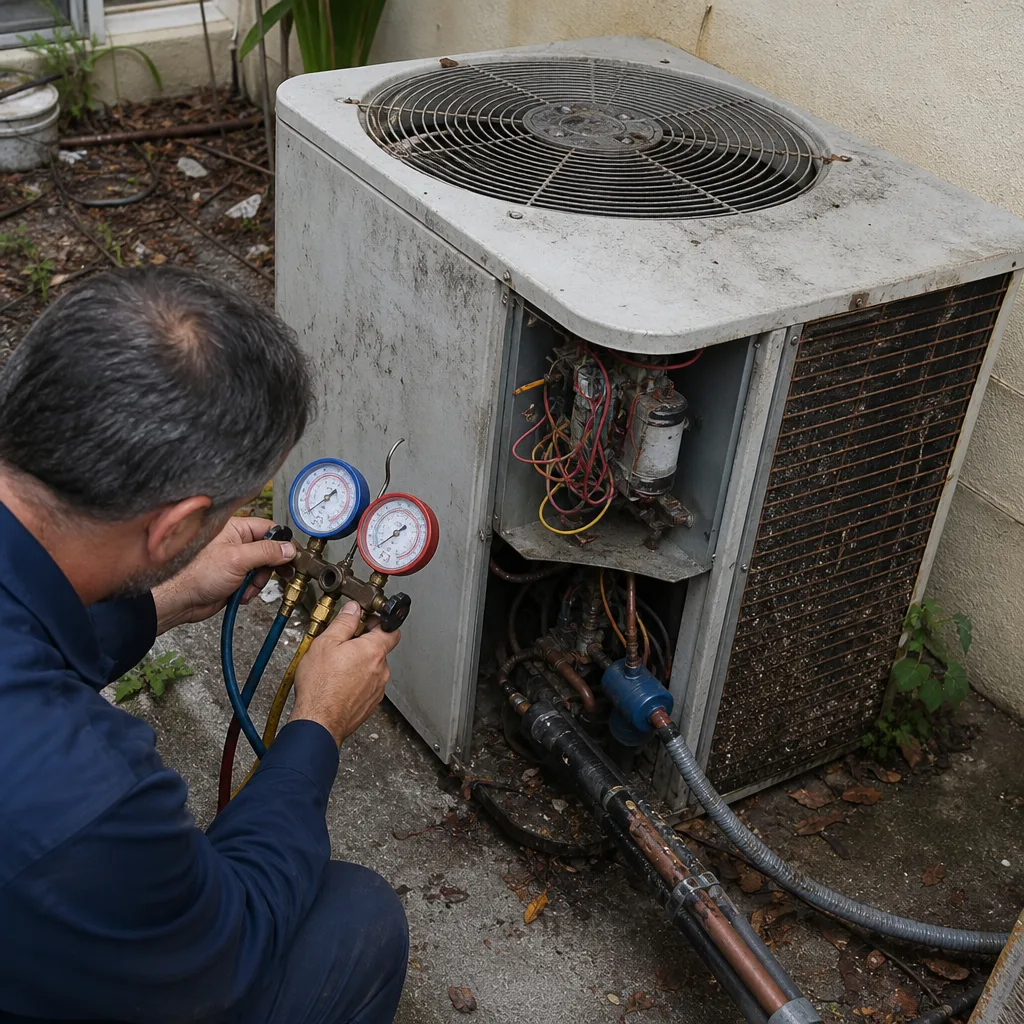 Before
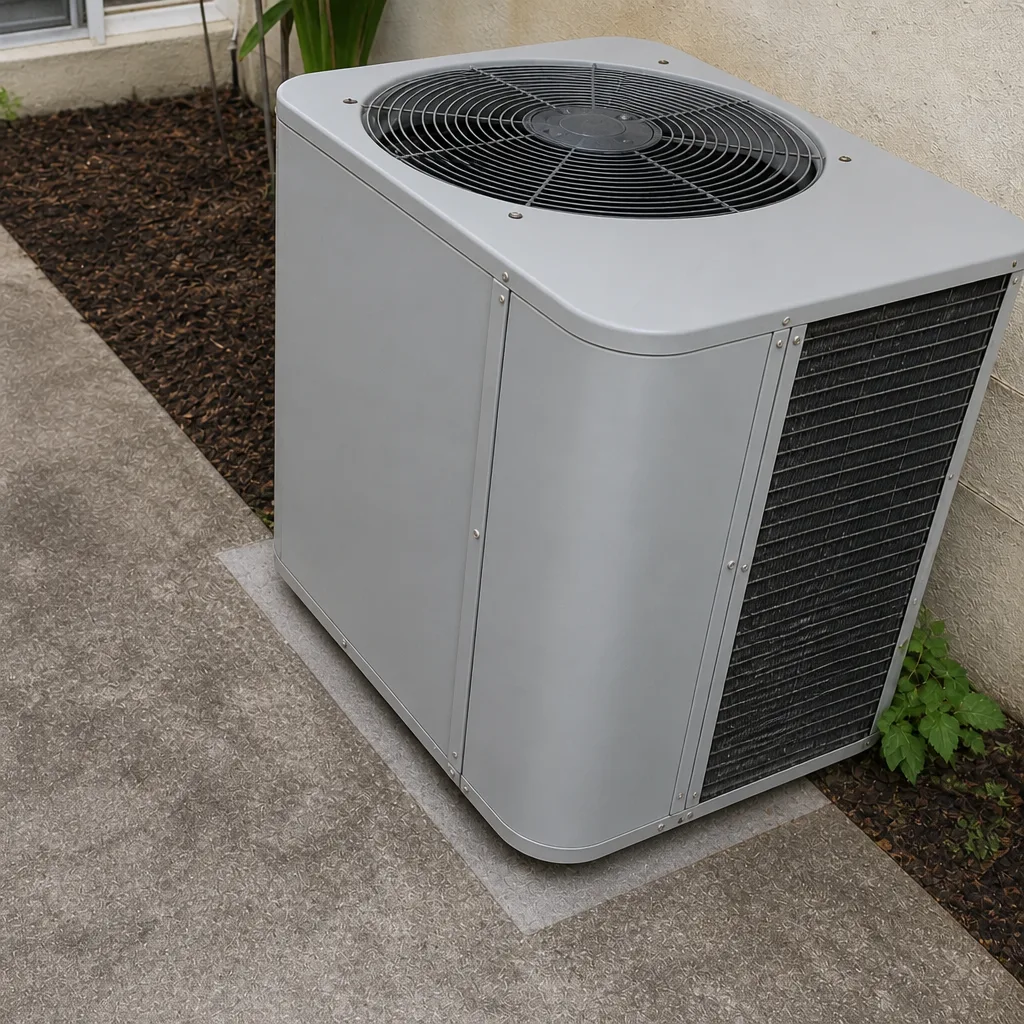 After
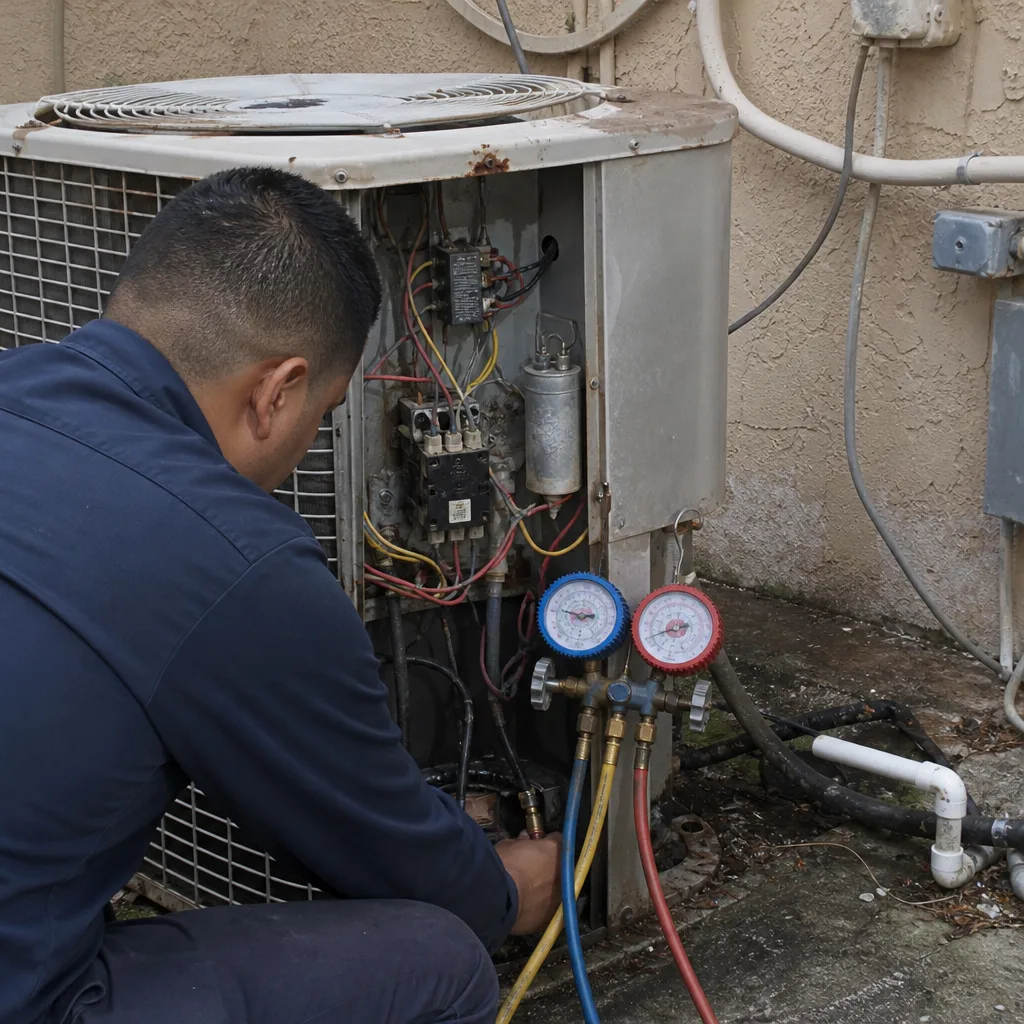 Before
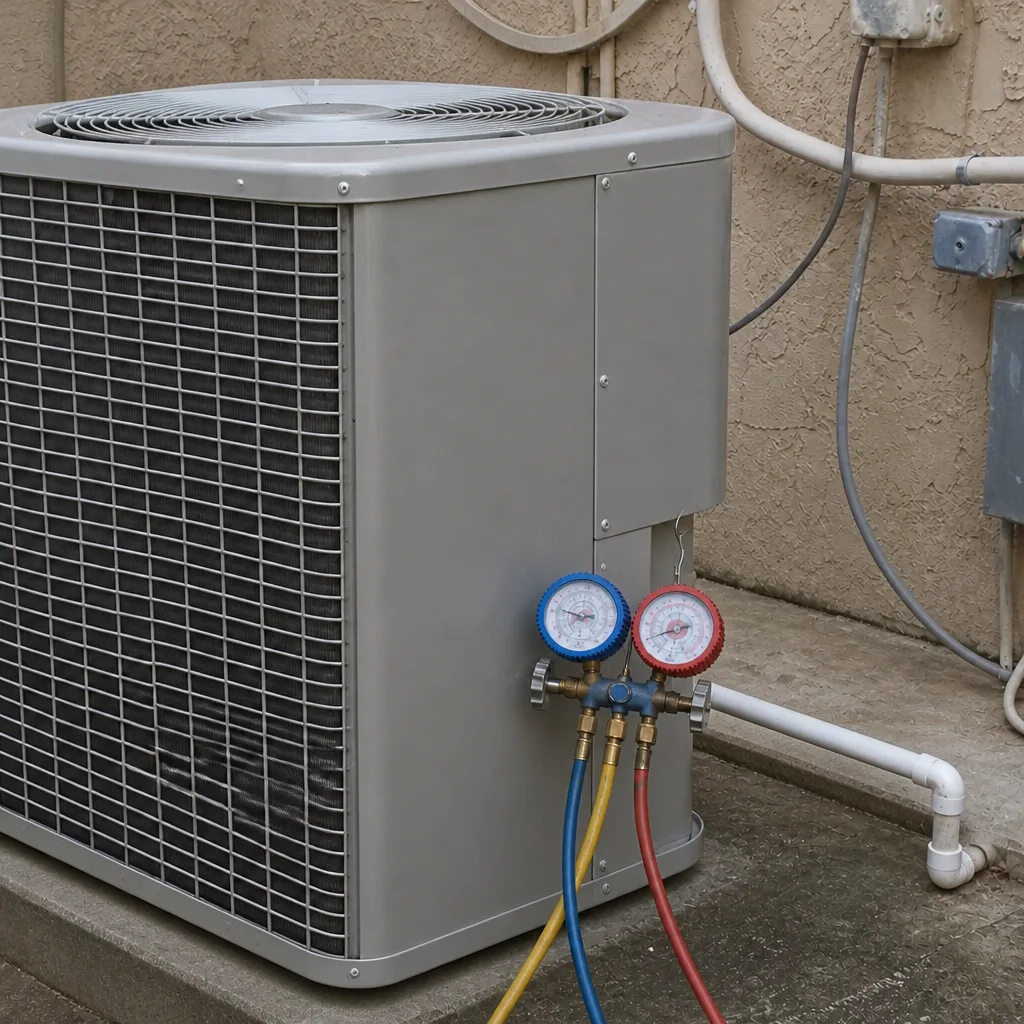 After
When to Call a Professional
Permitting questions come up at several specific points in a homeowner’s life. Call us when:
- You’re planning a replacement and need to know what permits your Miramar home will require and what the process will be.
- You’re buying a Miramar property and the permit history shows a gap or an open permit related to HVAC work.
- You’ve been told your system needs a major repair and you want a straight answer on whether that repair requires a permit or whether it’s a precursor to a replacement.
- You’ve discovered unpermitted HVAC work on your property and need to understand what it will take to bring it into compliance.
- Your insurer has raised a question about the permit status of your equipment.
Steadfast AC Repair offers free estimates in Miramar. Call (855) 627-2574 for a straight answer on what your job requires. We answer 24/7, with fast dispatch from 7am to 7pm, Sunday through Friday.
Frequently Asked Questions
Yes. A full system replacement in Miramar requires a building permit reviewed under the Florida Building Code, and the job needs a final inspection sign-off before it’s considered complete. Your contractor should discuss the permit during the estimate, not after. Call (855) 627-2574 for a free estimate on a permitted replacement.
Review timelines depend on the permit’s scope and the current volume at whichever office is handling it, and cannot be quoted in advance with certainty. Simple replacements generally move faster than jobs involving electrical or duct changes. Your contractor schedules against the review and inspection queue. Call (855) 627-2574 for an honest timeline on your specific job.
Under limited circumstances yes, if the home is your primary residence and you’re performing the work yourself. The exemption does not allow you to pull a permit for a contractor, and it places full code responsibility and inspection scheduling on you. For a replacement, most homeowners are better served by a licensed contractor handling the permit. Call (855) 627-2574 if you’d like a straight answer on what your job requires.
Unpermitted work becomes the current property owner’s problem at the time of sale, insurance review, or a code complaint. The original contractor’s responsibility doesn’t transfer with the deed; the property does. Resolving it can mean retroactive permitting, inspection, or corrections. Call (855) 627-2574 to talk through your options before it becomes a negotiation issue.
A like-for-like component repair, such as a thermostat, capacitor, or blower motor swap, generally does not require a permit. A replacement, relocation, or new installation of equipment does. The line between the two is worth confirming with a licensed contractor before work starts. Call (855) 627-2574 for a free estimate and a clear answer on whether your job is a repair or something larger.
Many insurers ask about unpermitted work during underwriting and some will require corrections before continuing a policy. That’s a reason to resolve permit issues before a claim rather than after. If you have a permit concern on a Miramar property, call (855) 627-2574 for help understanding your options. We answer 24/7.
The Bottom Line
HVAC permitting in Miramar is not a bureaucratic hurdle. It’s the mechanism that keeps liability where it belongs. When a system is installed correctly and inspected, the permit record becomes your protection at sale, at claim time, and when the next contractor opens the unit. Skip the permit, and you inherit the risk along with the deed. Confirm which jurisdiction handles your job, verify the permit number is pulled before work starts, and insist on the final inspection sign-off before the job is called done. If you’re facing a replacement or an unpermitted work question on your Miramar property, call us. We’ll give you a straight answer.
Call (855) 627-2574 for a free estimate. We answer 24/7. Fast dispatch from 7am to 7pm, Sunday through Friday.
Written by the team at Steadfast AC Repair.