
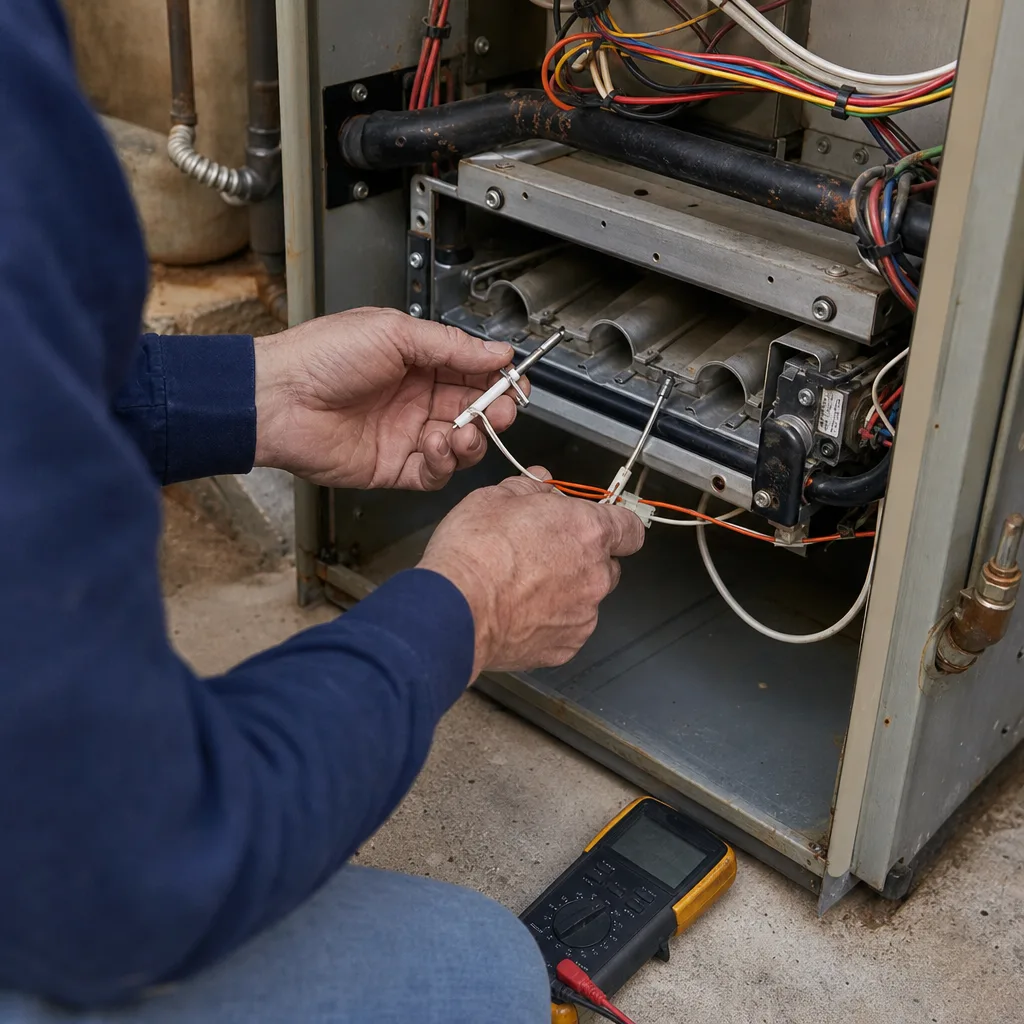
Last updated November 16, 2026
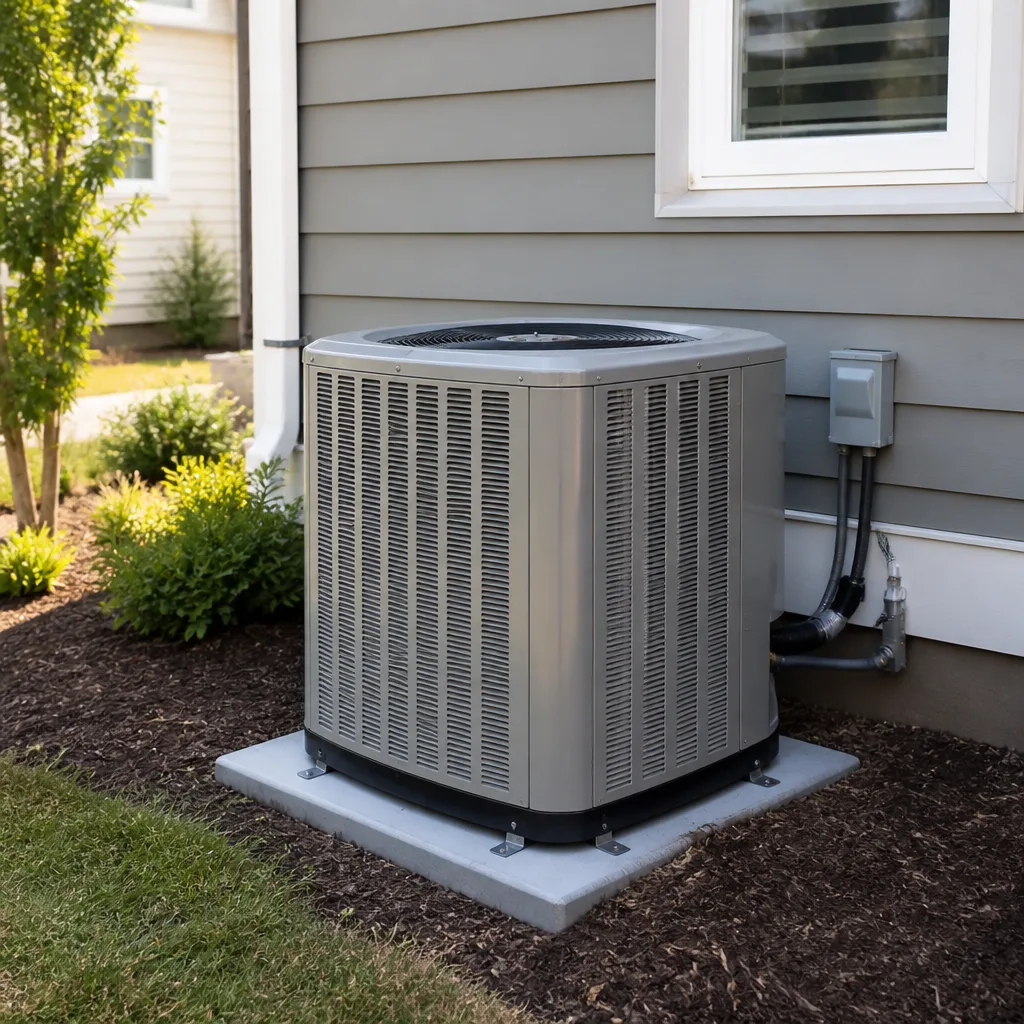 AC repair
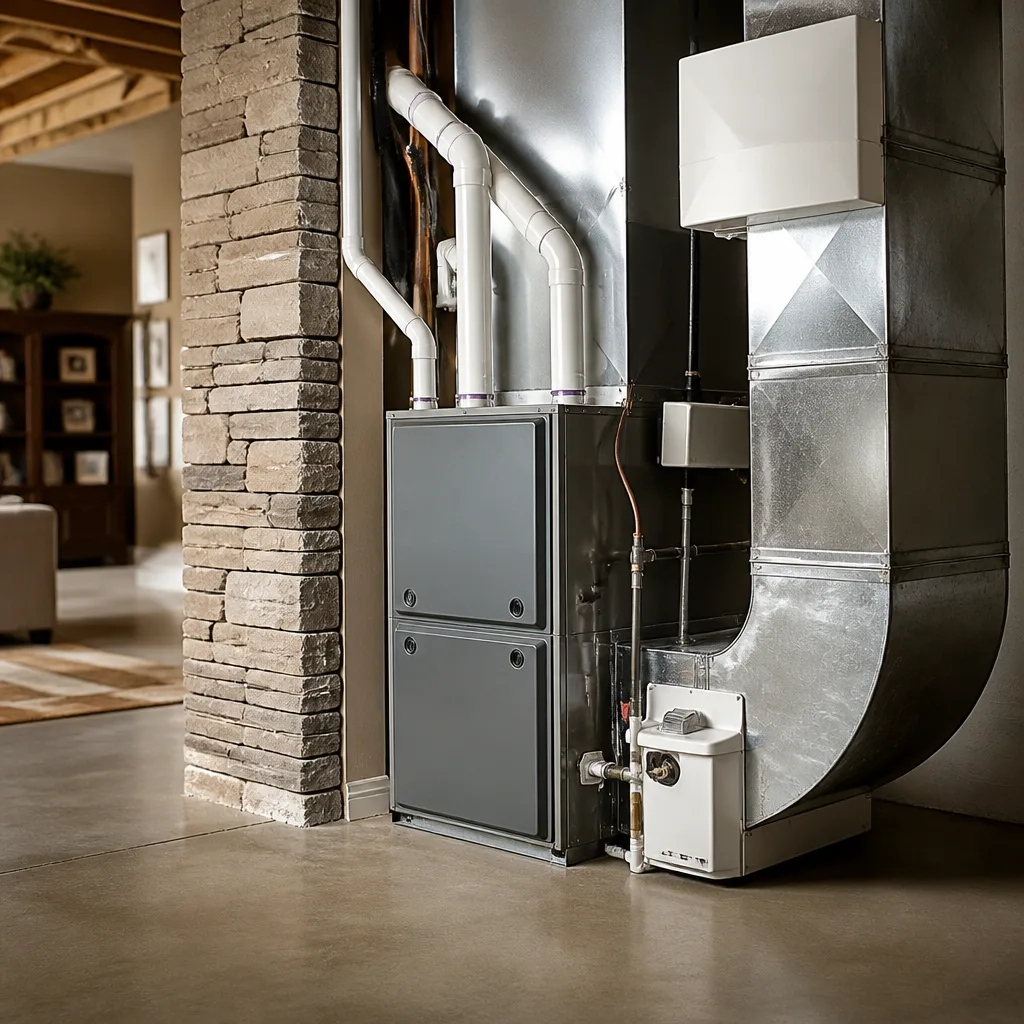 Furnace & heating
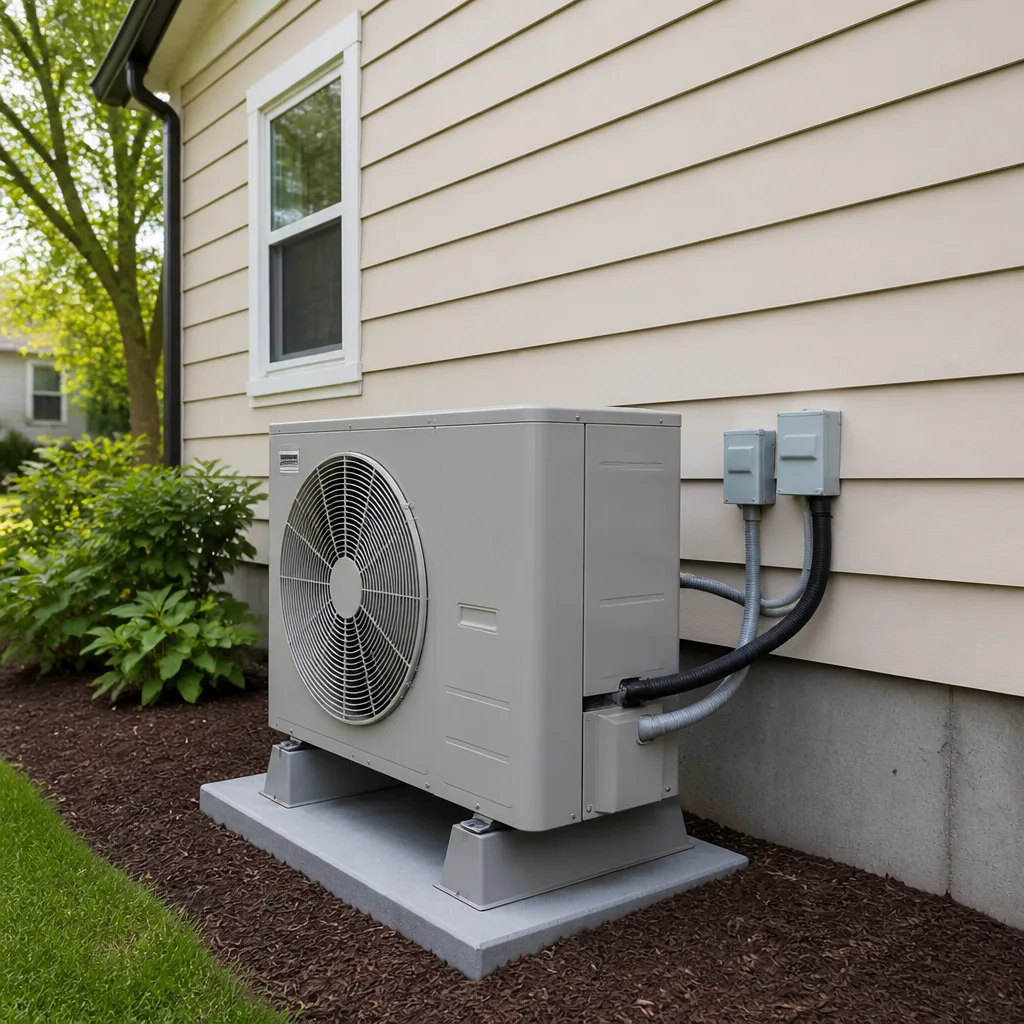 Heat pumps
 Ductless mini splits
 Carrier
 Trane
 Goodman
Seasonal tune-up and full diagnostic on your Carrier, Trane, or Goodman system - readings shown to you before any repair is proposed
Diagnosis first, numbers second - you approve the repair price before a single part goes in.
Get your free estimateHVAC Warning Signs: A Miramar Homeowner’s Reference Guide
A Miramar AC that runs constantly but can’t get the house below 78°F is not necessarily failing. It may be correctly sized equipment fighting an air-sealing problem the system will never solve on its own, and no amount of refrigerant will fix a house that leaks cool air into the attic. That single distinction, whether the problem lives in the equipment or in the building around it, is where most HVAC diagnosis actually starts in Miramar.
This guide maps warning signs to probable causes so you can tell the difference between a cheap fix and a serious decision. Each symptom below comes with the component behind it, the urgency level, and what a homeowner can check before calling anyone.
Quick Answer
Common HVAC warning signs include rising electric bills, weak airflow, warm air at the vents, unusual sounds like contactor buzz or compressor hard-start, ice on the indoor coil, water in the air handler, and humidity that never drops. The cause can range from a clogged filter to a failing compressor, which is why matching each symptom to its component matters more than reacting to any single sign.
Styles & brands we work with
- AC repair
- Furnace & heating
- Heat pumps
- Ductless mini splits
- Carrier
- Trane
- Goodman
Table of Contents
- How Do You Separate a Humidity Problem from a Refrigerant Problem?
- What Do the Unusual Sounds Actually Mean?
- Why Is Your Electric Bill the Earliest Warning Sign?
- Why Is Ice Forming on the Indoor Unit?
- What Happens to an HVAC System After a Florida Storm?
- Why Does the System Short-Cycle or Never Reach the Thermostat Setting?
- What Signs Point to Furnace Trouble?
- When Should You Stop Watching and Call a Professional?
How Do You Separate a Humidity Problem from a Refrigerant Problem?
You can separate them with a thermometer and a hygrometer. If the thermostat reads near the setpoint but the house still feels clammy, and the hygrometer shows indoor relative humidity above 55% to 60%, you’re looking at a humidity or air-distribution problem. If the thermostat reads well above the setpoint, the air at the vents is only slightly cooler than room temperature, and humidity stays high, you’re closer to a refrigerant or airflow problem.
This pattern shows up again and again across Miramar. The afternoon thunderstorm season pushes outdoor humidity into the 80s and 90s on many days, and a system that’s even slightly oversized for the home will cool the air too quickly to condense much moisture out of it. The house hits setpoint, the compressor cycles off, and the air stays heavy. Correctly sized equipment running longer cycles pulls more moisture out, which is why “it feels cold but sticky” is often a sizing or airflow story rather than a mechanical failure.
What to Check Before You Assume a Refrigerant Leak
- Read the thermostat and note how far it is from the setpoint.
- Hold a thermometer at the supply register closest to the air handler and note the reading. A gap of roughly 15°F to 20°F between return and supply air is a reasonable working target; much less than that points to airflow or charge trouble.
- Check indoor relative humidity on a hygrometer kept away from doors and windows.
- Confirm no return grilles are blocked and every supply vent is open.
- Look at the filter. A loaded filter starves the coil and mimics both low charge and poor dehumidification.
If the thermostat sits near setpoint with humidity high, focus on air sealing, duct leakage, and equipment sizing. If the thermostat can’t reach setpoint at all and the temperature split across the coil is thin, that’s a technician’s job to diagnose, and it may involve refrigerant.
What Do the Unusual Sounds Actually Mean?
Each sound maps to a specific component, and each one carries its own urgency level. A contactor buzz is usually electrical chatter at the outdoor unit’s contactor. Blower vibration points at the indoor fan wheel or motor. Compressor hard-start sounds like a sharp thunk with a brief hum before shutdown. Refrigerant hiss at the indoor unit is the one to take most seriously.
Here’s how each one reads in practice:
- Contactor buzz. A low, raspy buzz from the outdoor unit when the system starts. Frequently a worn contactor coil or pitting on the contact points. It’s often a modest repair, but a buzzing contactor can drop voltage to the compressor, so don’t let it run for months.
- Blower vibration. A rhythmic shake or growl from the indoor unit. Often an out-of-balance blower wheel, a failing bearing, or debris pulled in upstream. Vibration left alone can damage the wheel and motor mount, so it escalates.
- Compressor hard-start. A hard “clunk” followed by a startup hum and shutdown, sometimes with the lights dimming. This needs attention quickly; a compressor that trips repeatedly on start is working against itself.
- Refrigerant hiss. A steady hiss or gurgle from the indoor coil or line set. This suggests a leak in the sealed system. Refrigerant is dangerous to handle and harsh on the environment, so this is a trained-technician call, not a homeowner project.
- Grinding from the outdoor fan. A worn fan motor bearing. It’s unlikely to cause immediate failure but degrades cooling over time.
Our technicians have up to 12 years of experience listening for these distinctions on systems from Bryant, Carrier, Trane, and American Standard installations alike, and we work on equipment from nine widely installed manufacturers, including Goodman, Rheem, York, Daikin, and Lennox. That range matters here: a homeowner should never be told their brand is one we don’t service.
Why Is Your Electric Bill the Earliest Warning Sign?
A rising electric bill is often the first measurable sign that a system is losing efficiency, and it usually appears weeks before anything feels wrong. A cooling system that has to run longer to hit setpoint burns more electricity, and that longer runtime shows up on the bill before you notice the house is less comfortable.
You can build a rough kWh baseline for comparison without any special equipment. Pull three consecutive summer bills from last year, then note the total kWh for each month. Divide each month’s kWh by that month’s cooling-degree days if your utility shows them, or simply compare the same month year over year. The number that matters is your system’s baseline under normal weather, not the raw dollar figure, since rate changes can mask efficiency losses.
A reasonable working baseline for a mid-size Miramar home with a standard central system is the monthly kWh it burns at its normal runtime. If this year’s kWh rises noticeably while outdoor temperatures are roughly similar to last year’s, the extra consumption is coming from somewhere. Common culprits are a dirty outdoor coil, low refrigerant charge, a failing capacitor, duct leakage into the attic, or a blower running at the wrong speed.
What Makes Miramar Bills Rise Faster
Miramar’s summer heat is relentless, and homes here tend to run their systems from spring straight through fall with very little break. That near-continuous demand means small efficiency losses compound quickly. A system that loses 10% of its efficiency in a cooler climate might run a few extra minutes a day; in Miramar, over a long cooling season, the same loss shows up as a real monthly cost. And when the system is working harder to cool a leaky house, it never gets the chance to rest.
If a bill spike accompanies any other sign in this guide, treat it as two confirming data points rather than one. If your bill jumps and the house still isn’t comfortable, call for an evaluation before the compressor absorbs the strain. Free estimates are the fastest way to find out.
Why Is Ice Forming on the Indoor Unit?
Ice on the indoor coil has two main causes, and they explain most cases. Either airflow is restricted, or the refrigerant charge is low. The visible symptom looks identical, but the fixes are very different.
Restricted airflow is more common and usually the cheaper fix. A clogged air filter, a blocked return, a collapsed duct, or a blower that isn’t moving enough air all starve the coil. When airflow is low, the coil gets too cold and frost builds up. Low refrigerant charge lets the coil run colder than it should as well, because the system is trying to work with less refrigerant than it needs. Ice on the outdoor unit is different and usually points at a blower or defrost issue, but indoor ice is the more common call.
How to Tell Which One You Have Before Calling
- Turn the system off at the thermostat. Running an iced system can damage the compressor, so stop cooling first.
- Check the air filter. If it’s heavily loaded, that’s a strong sign of the airflow cause.
- Look for blocked or closed supply registers, and check that furniture isn’t covering returns.
- Note how long the ice took to form. Ice on a freshly cleaned filter often points to charge.
- Don’t try to chip or melt the ice with a tool. Let it thaw on its own before restarting.
If the filter is clean and the ice still returns, you’re likely dealing with a charge issue, which requires a licensed technician to diagnose and repair the sealed system. Refrigerant work is not a homeowner task and can be hazardous without the right tools and training.
What Happens to an HVAC System After a Florida Storm?
Storm damage tends to show up in three places: water in the air handler, tripped disconnects, and debris-damaged condenser fins. After a strong storm pushes through Miramar, these signs often appear together, which is why it’s worth checking the system in the first day or two after the weather clears.
- Water in the air handler. A storm can overwhelm the condensate drain, or the drain pan can overflow if it’s been developing a slow clog. Water sitting in the air handler cabinet can cause electrical faults, rust, and mold growth. If you see water, shut the system off at the breaker and call for help.
- Tripped disconnect. The outdoor disconnect may trip during a storm surge or a brownout. If it trips once and resets cleanly, that’s normal. If it trips again, don’t keep resetting it. Repeated trips point at a fault that needs a technician.
- Debris-damaged condenser fins. Wind-driven leaves, twigs, and grit bend the fins on the outdoor coil. Bent fins reduce airflow and cooling efficiency. Straightening fins is a technician’s job because the coil is fragile and the refrigerant lines behind it are delicate.
A storm can also push water into a roof-mounted or exterior disconnect, and that’s a shock hazard. Electrical work on HVAC equipment is dangerous; even after the power is off at the thermostat, capacitors can hold a charge. Treat any wet electrical component as a professional call.
Why Does the System Short-Cycle or Never Reach the Thermostat Setting?
Short cycling and a system that can’t reach setpoint are two different complaints that can share a cause. Short cycling means the compressor turns on and off in short bursts, often every few minutes. Never reaching setpoint means the system runs and runs without getting the house cool.
Short cycling usually comes from a thermostat, a control board, a failing capacitor, a refrigerant issue, or an oversized system. If the compressor starts and stops quickly, the cause often lives in an electrical component, and a technician can test the capacitor and contactor directly. Never reaching setpoint usually comes from low charge, restricted airflow, a failing compressor, or a house that’s leaking cool air into places where it can’t do any good.
This is the point where the counterintuitive opening of this guide comes back into play. A home in Miramar with good equipment but duct leakage into a hot attic will run forever and still feel warm. Duct sealing is sometimes the fix that a homeowner never considers because the symptom looks like an equipment problem.
Our full-season scope means we can look at furnace repair needs on the heating side of the same visit, because a system that short-cycles in cooling season often shows related control problems in the winter. Owning both halves of the year under one company means one trusted contractor instead of two specialists.
What Signs Point to Furnace Trouble?
Miramar winters are mild, but furnace problems still show up, and they’re easy to miss because the system runs less often. The signs to watch are a yellow or flickering burner flame, a pilot that won’t stay lit, a furnace that runs but produces weak heat, soot around the cabinet, and a gas smell that appears whenever the furnace fires.
A gas smell is the one to act on immediately. Leave the house and call your gas utility first; gas is a safety issue that outranks any convenience. For the rest, watch for these patterns:
- The furnace starts and stops more often than it used to.
- The blower runs but the air is only lukewarm.
- The furnace makes a low rumble or a delayed ignition “whoomp” at startup.
- You notice rust or corrosion inside the cabinet.
- The carbon monoxide alarm sounds, or you cannot verify its placement and function.
Furnace problems in Miramar tend to hide for months because the system simply isn’t used the way it is up north. When the first cool snap arrives, the furnace gets tested under load for the first time in a year, and that’s when a worn igniter or a cracked heat exchanger announces itself. If your furnace is past its middle years and you’re facing a major repair, a furnace repair conversation often becomes a repair-or-replace decision.
Never attempt to open a furnace cabinet or clean a heat exchanger yourself. Gas appliances involve combustion, carbon monoxide risk, and components that a trained technician needs to test with proper instruments.
When Should You Stop Watching and Call a Professional?
Call a professional when any warning sign involves water, ice on the indoor coil, refrigerant hiss, a gas smell, repeated tripped disconnects, or a system that won’t hold setpoint for more than a day. Those scenarios carry the highest risk of turning a modest repair into a full replacement or a safety issue.
Other signs can wait a short while but shouldn’t wait long. Rising electric bills, a system that runs longer than it used to, or a growing list of small frustrations usually point at a component that a technician can diagnose with instruments rather than guesswork. A missed fan motor bearing or a capacitor on its way out is cheaper to fix today than after it takes the compressor with it.
One useful rule: if you have to reset a breaker or disconnect more than once, stop resetting it. Electrical faults get worse with repeated resets, and the compressor is expensive.
Common Mistakes to Avoid
- Resetting the breaker repeatedly instead of calling. A tripped breaker is telling you something. Resetting it five times can turn a small electrical repair into a compressor replacement.
- Running an iced system to see if it clears. Ice on the indoor coil means the system already isn’t cooling properly. Running it while iced puts stress on the compressor and can cause real damage.
- Chasing humidity with a bigger system rather than fixing the house. An oversized system cools too fast to pull moisture out, which is why a “bigger is better” upgrade in a Miramar home can make indoor comfort worse, not better.
- Waiting for a total failure before scheduling a call. In a Miramar summer, a cooling failure on a hot afternoon is an emergency. Catching the early sign is the difference between a repair and a replacement.
- Blowing off a storm check after a rough afternoon. Water in the air handler and bent condenser fins both cause problems that get worse quietly.
- Assuming your brand is hard to source parts for. Most mainstream equipment shares parts and service knowledge across brands. If a contractor tells you they can’t work on your unit, find one who can.
- Skipping the thermostat as a suspect. A thermostat in a bad location, or one that’s lost calibration, can mimic a failing system. It’s worth checking before anything else.
See the difference
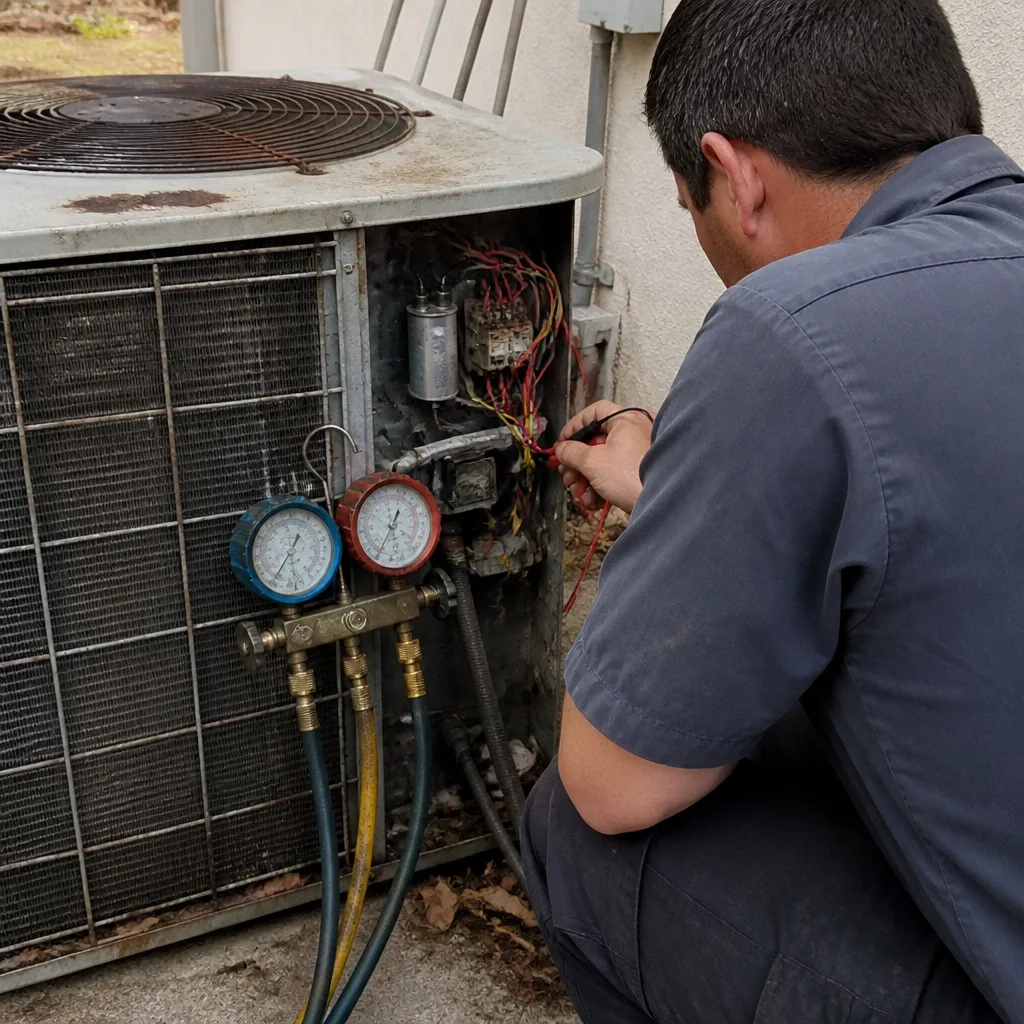 Before
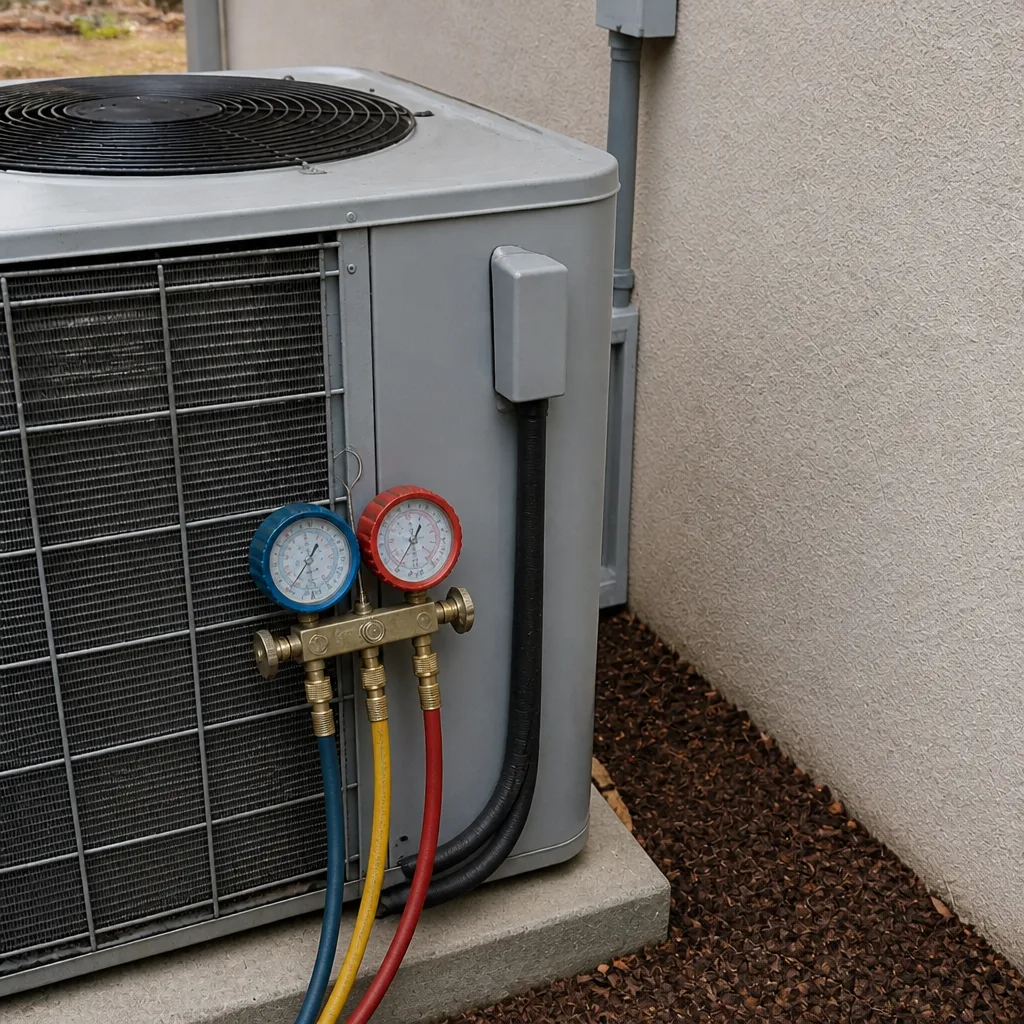 After
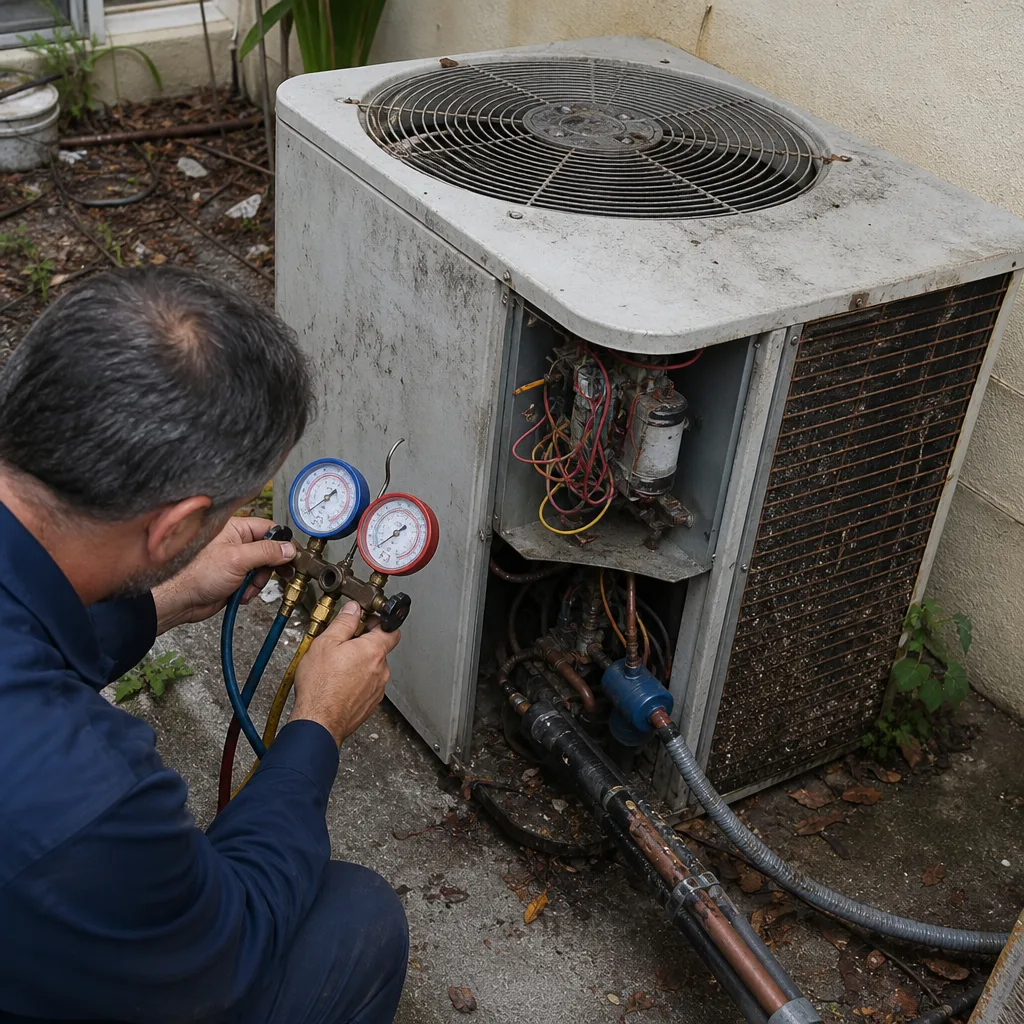 Before
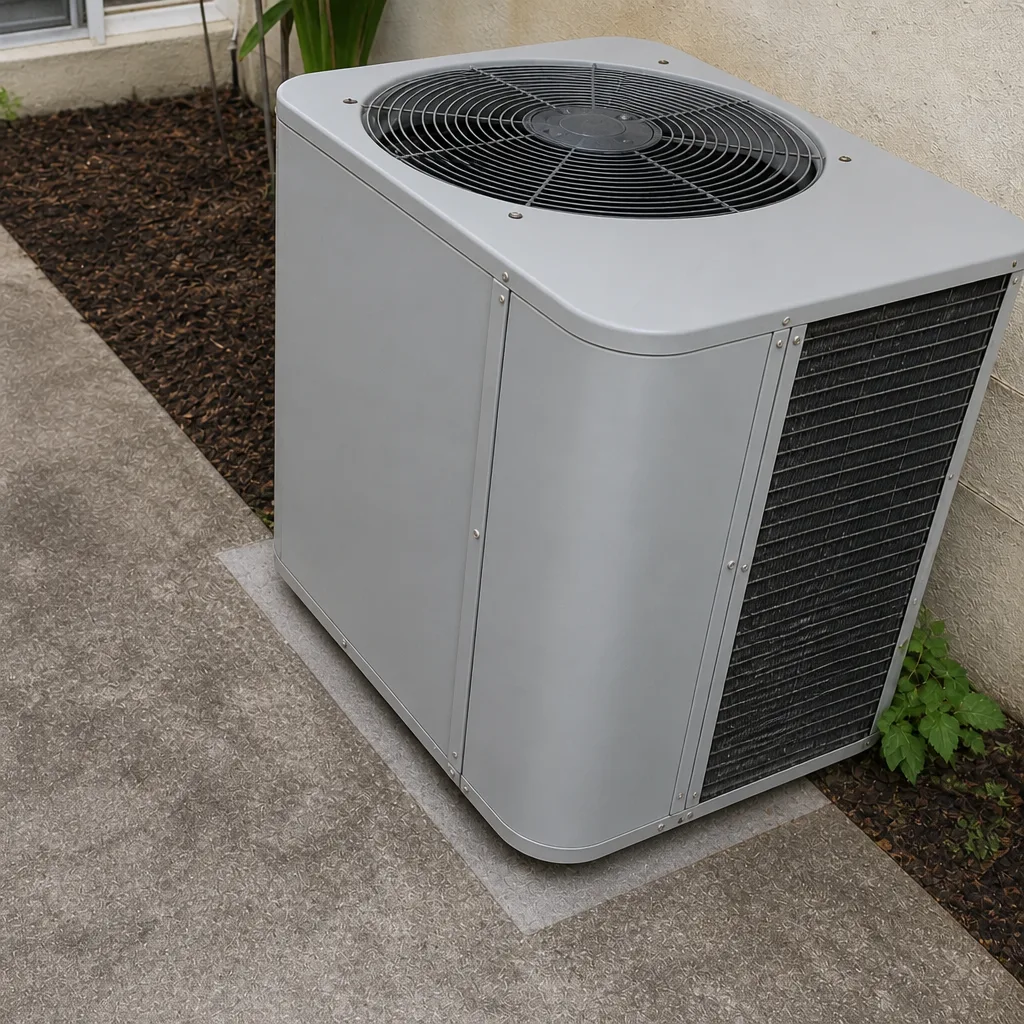 After
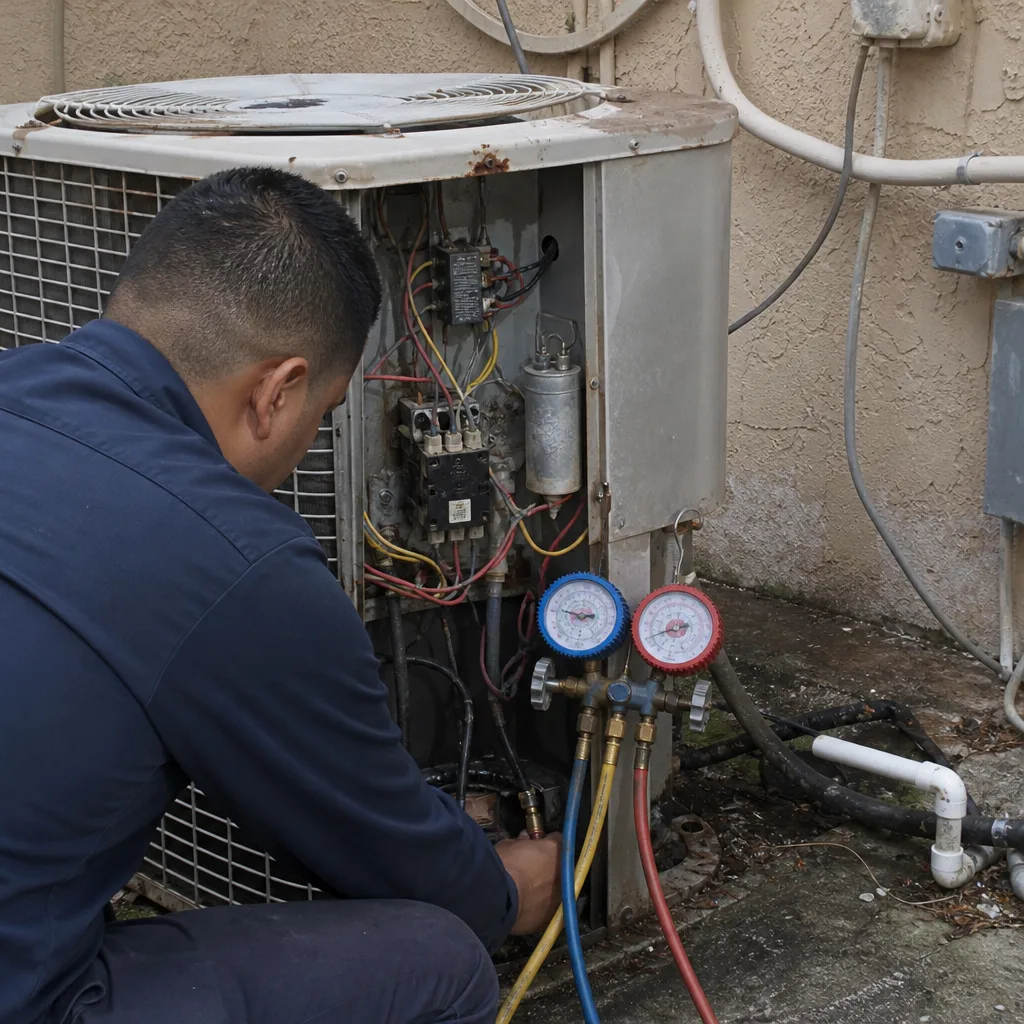 Before
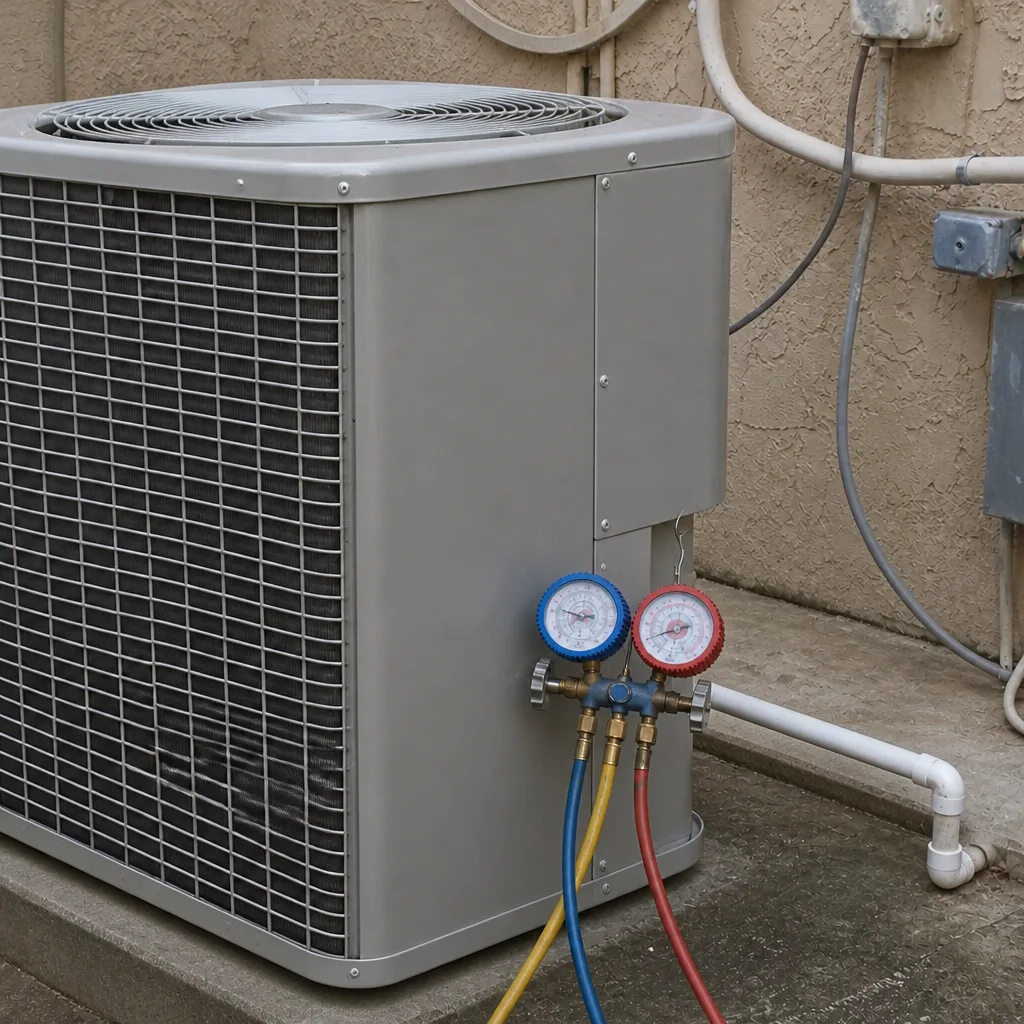 After
When to Call a Professional
If a warning sign on this list is on the safety side (gas smell, water in the air handler, refrigerant hiss, repeated tripped disconnects, or a carbon monoxide concern), call a professional without delay. Our team at Steadfast AC Repair offers free estimates in Miramar, and we can work with your insurer on storm-related damage where applicable. We answer 24/7, and fast dispatch runs 7am to 7pm, Sunday through Friday. Call (855) 627-2574 and we’ll book the visit that fits your situation. If you’re not sure whether your sign is urgent, a phone call is the cheapest way to find out; our technicians have up to 12 years of experience separating a filter swap from a compressor story.
For a full-system decision, AC installation estimates are also free and scheduled so you get a written fixed price and a set install date instead of same-day guesswork.
Frequently Asked Questions
A rising electric bill is usually the earliest sign, often appearing before any comfort complaint. That long cooling season in Miramar means an efficiency loss shows up on the bill quickly. If you don’t have a baseline yet, compare the same summer month year over year. Call (855) 627-2574 for a free estimate if a bill spike lines up with any other sign on this list.
The cause could be low refrigerant, restricted airflow, a failing compressor, or a house leaking cool air into the attic or through gaps in ductwork. A thin temperature split at the supply register usually points at the equipment; a normal split with high humidity often points at the house. Call (855) 627-2574 and we’ll diagnose both. Free estimates in Miramar.
No. Restricted airflow, usually from a clogged filter or blocked return, explains most ice cases. Low refrigerant charge is the second common cause. Check the filter first, then shut the system off and let the ice thaw before restarting. If ice returns with a clean filter, call (855) 627-2574 for a diagnosis.
Repair makes sense when the system is otherwise in good shape and the problem is a single component like a capacitor, blower motor, or contactor. Replacement is often the better call when you’re facing a compressor failure or a heat exchanger issue on older equipment. We’ll give you an honest assessment with the numbers, not a sales pitch. Call (855) 627-2574.
Storm surges trip disconnects, wind debris bends condenser fins and blocks coils, and heavy rain can overwhelm the condensate drain and leave water in the air handler. If a disconnect trips once after a storm, reset it and watch. If it trips again, or you find water in the cabinet, shut the system off and call (855) 627-2574.
We work on your brand, whatever it is. We service equipment from Carrier, Trane, Lennox, Goodman, Rheem, York, Daikin, Bryant, and American Standard, and our brand-neutral model means we recommend what fits the home, not what fits a dealership. For HVAC service in Miramar, call (855) 627-2574 and we’ll book the visit.
The Bottom Line
Most HVAC warning signs are a component telling you something before it fails, and the point of this guide is to help you tell a small fix from a running meter. Rising electric bills and poor humidity control usually point at airflow, charge, or the house itself. Ice on the indoor unit comes down to airflow or refrigerant. Unusual sounds map to contactors, blowers, compressors, and sealed systems with very different costs and urgency. Storm damage shows up in water, tripped disconnects, and bent fins. Treat any safety-related sign as a professional call, because the equipment doesn’t care whether you’re patient.
At Steadfast AC Repair, we work across nine widely installed brands because homeowners shouldn’t be pushed toward the one a contractor happens to sell. Whether you’re facing an active failure or planning a replacement, a straight diagnosis is the first step. Call (855) 627-2574 for a free estimate. We answer 24/7. Fast dispatch from 7am to 7pm, Sunday through Friday.
Written by the team at Steadfast AC Repair.