
Last updated November 16, 2026
 AC repair
 Furnace & heating
 Heat pumps
 Ductless mini splits
 Carrier
 Trane
 Goodman
Seasonal tune-up and full diagnostic on your Carrier, Trane, or Goodman system - readings shown to you before any repair is proposed
Diagnosis first, numbers second - you approve the repair price before a single part goes in.
Get your free estimateThe Complete AC Installation Guide for Miramar Homeowners
Most AC installations that go wrong in Miramar were already going wrong before the first bolt was turned. The failure usually traces back to a skipped or faked Manual J load calculation, an oversized unit ordered to be “safe,” and ductwork nobody evaluated until half the system was already bolted to the wall. Installation day is the easy part. The weeks before it decide whether you’ll spend the next fifteen summers comfortable or fighting a system that cools too hard, cycles too fast, and never quite removes the humidity. We’re a brand-neutral HVAC company, which means we have no incentive to defend any one manufacturer’s equipment. That freedom is exactly why this guide can walk you through the whole critical path: sizing, permitting, ductwork, installation day, and commissioning. Read it before you sign anything.
Styles & brands we work with
- AC repair
- Furnace & heating
- Heat pumps
- Ductless mini splits
- Carrier
- Trane
- Goodman
Quick Answer
A proper AC installation in Miramar starts with a room-by-room Manual J load calculation, not a guess based on your old unit’s tonnage. From there it follows a fixed sequence: ductwork evaluation, equipment selection matched to the home, a Broward County permit, a documented installation day, and a commissioning check that measures real airflow and refrigerant charge before anyone calls the job done. Skip any step and the system underperforms from day one, no matter how good the equipment is.
Table of Contents
- Why Load Calculations Matter More Than the Brand
- What a Manual J Calculation Actually Is (and How to Verify One)
- Broward County Permits for AC Installation in Miramar
- Evaluating Your Ductwork Before Installation
- Choosing Equipment for a Miramar Home
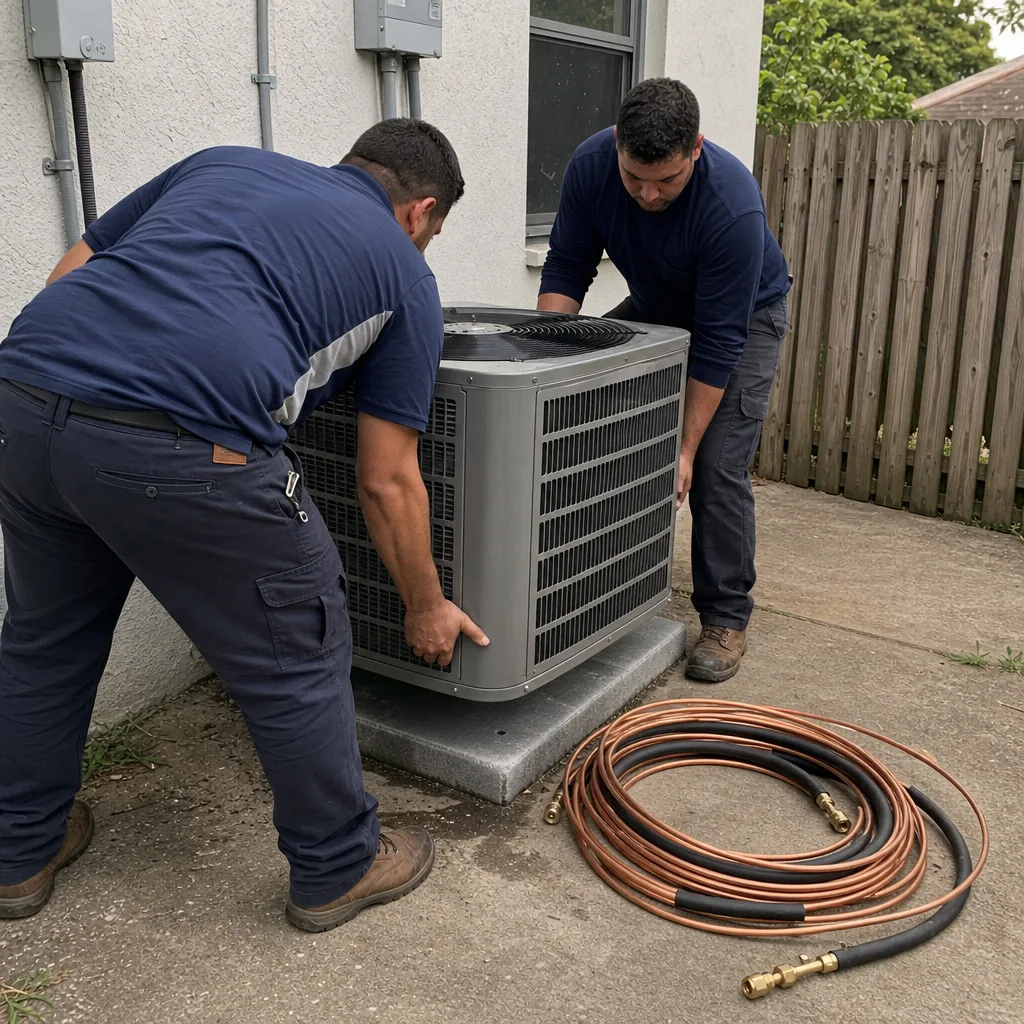
- What a Proper Installation Day Looks Like, Step by Step
- The Commissioning Checklist That Separates a Finished Job from a Dropped-Off Unit
- Common Mistakes to Avoid
- When to Call a Professional
- Frequently Asked Questions
- The Bottom Line
Why Load Calculations Matter More Than the Brand
Homeowners love to debate brands. Carrier versus Trane, Lennox versus Goodman. Those conversations miss the point. A perfectly specified Lennox system that’s oversized for the house will still short-cycle, leave the air clammy, and wear out early. A modest Goodman unit sized correctly will run long, steady cycles, pull humidity down properly, and deliver the comfort you actually paid for. Equipment quality matters. Correct sizing matters more.
Miramar’s climate is what makes sizing so unforgiving. This is a subtropical corner of South Florida where cooling demand runs most of the year and humidity is a constant companion rather than a seasonal nuisance. The job of an air conditioner here isn’t only to drop the temperature. It’s to remove moisture. A system that’s too large blasts cold air, hits the thermostat setpoint in a few minutes, and shuts off before the evaporator coil has time to pull meaningful water out of the air. You end up with a house that reads 74 on the thermostat and feels like 80.
That’s why the load calculation is the first decision, not an afterthought. It weighs the square footage, window orientation, insulation, roof, shading, and how many people live in the home. In Miramar, where afternoon sun bakes west-facing rooms and summer humidity sits heavy, those inputs change the answer dramatically compared with a drier climate.
What Gets Missed When Sizing Is Rushed
- Manual J is replaced with a rule of thumb like “one ton per 500 square feet,” which ignores window area, insulation, and occupancy.
- The new unit is sized to match the old one, even if the old one was wrong from the start.
- Humidity control is treated as a bonus rather than a core design goal.
- Nobody accounts for a room addition, new windows, or a converted garage that changed the home’s actual load.
The bottom line: ask for the calculation. Any contractor who can’t produce one, or who waves off the question, is guessing with your money. For a deeper look at how we approach it, see our AC installation page.
What a Manual J Calculation Actually Is (and How to Verify One)
Manual J is the ACCA’s room-by-room load calculation method, the industry standard for figuring out how much cooling a house actually needs. The result is a tonnage number (and often a sensible-heat and latent-heat breakdown) that tells you the right size system to install. It’s a document, not a feeling. And that’s the good news, because a document can be checked.
In our experience, the single most common shortcut in South Florida is the “fake” Manual J: a form that gets filled in with generic inputs to satisfy a permit, not to design the system. The numbers look official, but they weren’t run carefully, and the equipment was already decided. For a Miramar homeowner, learning to spot the difference is worth the ten minutes it takes.
How to Verify Your Contractor Ran a Real One
- Ask for it before equipment is ordered. The calculation should drive the equipment selection, not follow it. If they hand you a quote with a model number before you’ve seen any load numbers, that’s a red flag.
- Check that it’s room-by-room. A real Manual J walks through each conditioned space, not one lumped total for the whole house.
- Confirm the inputs match your home. Window types, insulation, roof, orientation, and the number of occupants should be specific to your house, not boilerplate.
- Look for latent capacity. In Miramar’s humidity, the moisture-removal number matters as much as the sensible cooling number. A calculation that only reports tonnage is incomplete.
- Ask what changed the result. A good contractor can explain why your home needs 2.5 tons instead of the 3.5 tons the last guy proposed.
If a contractor gets defensive when you ask, that’s your answer. A straight calculation is easy to show. We’re happy to walk any Miramar homeowner through ours, because it’s the whole basis for recommending equipment that fits the house rather than fitting a sales target.
Broward County Permits for AC Installation in Miramar
A new AC installation in Miramar is permitted work. That’s not red tape for its own sake. The permit is the mechanism that gets a trained inspector to look at the installation before it disappears behind drywall and insulation. Pulling it is standard, and a contractor who suggests skipping it is cutting a corner that protects you, not them.
Most cities in Broward County, including Miramar, require a mechanical permit for a system replacement or new install, and the work gets inspected. The exact paperwork, fees, and inspection checkpoints are set by the local building department, so confirm specifics with the City of Miramar’s permitting office rather than relying on any general statement. What matters for you is the principle: permitted work gets inspected, and inspected work is safer and easier to stand behind.
What Usually Gets Inspected
- The equipment itself, including the model, capacity, and that it matches the permitted scope.
- The electrical connection and disconnect, ensuring the system is fed safely.
- The refrigerant lines, their routing, and the connection points.
- The condensate drain, which matters enormously in a humid climate where a clogged or badly pitched drain causes water damage.
- Clearances and platform or pad details for the outdoor unit.
Why You Should Ask for the Inspection Record
The inspection record is your proof the work was reviewed by someone other than the person who did it. When you sell the house or file an insurance claim, that record closes a lot of questions. Ask your contractor for the permit number and the final inspection sign-off, and keep both. A contractor who treats the inspection as a nuisance to avoid is telling you something about how they run a job. In our experience, a clean inspection is simply what a careful install looks like when it’s finished. If you’re still sorting out who does the work, this overview of Miramar is a reasonable place to start your search for a contractor who pulls permits without being asked.
Evaluating Your Ductwork Before Installation
Here’s the pre-install step that decides more outcomes than any other: looking at the ducts. You can buy the right-sized, correctly-charged system and still end up with hot bedrooms and a stuffy living room if the ductwork can’t move the air. In Miramar’s older neighborhoods, and in plenty of newer builds too, duct problems are the quiet reason a new system disappoints.
An AC delivers its rated capacity only when the duct system supports the airflow that capacity needs. A new unit rated for a certain tonnage needs a matching amount of return air and a balanced supply layout, or it will strain against a restriction and never reach design performance. The single most common duct issue we see is undersized or restricted return air, which chokes the system no matter how good the equipment is.
What a Proper Duct Evaluation Covers
- Return air capacity. Are there enough return paths to feed the new unit the air it needs?
- Supply layout and balance. Do the rooms that run hot get their share of conditioned air?
- Leakage and sealing. Ducts that leak into an attic or garage waste cooling you’re paying for.
- Insulation condition. In a hot attic, poorly insulated ducts lose cold air before it reaches the room.
- Routing and obstacles. Crushed, kinked, or flex duct pinched around framing restricts flow.
- Static pressure. A measure of how hard the system has to work to move air; it reveals restrictions you can’t see.
If your ducts are marginal, addressing them before the new system goes in is almost always better than discovering the problem afterward. When a contractor proposes a new unit without ever inspecting the ducts, that’s a sign they’re installing equipment rather than solving a comfort problem. Doing it right the first time is cheaper than doing it twice.
Choosing Equipment for a Miramar Home
Once sizing and ducts are handled, equipment selection actually becomes straightforward, because it’s driven by the load, not by a brand poster in the showroom. We work with the brands that are widely installed across Miramar homes, including Lennox, Goodman, Rheem, and York, and we service nine major manufacturers in total. That breadth is the point: you’re never steered toward inventory someone is trying to move, and you’re never told “we don’t work on your unit.”
For most Miramar homeowners, the decision comes down to a few practical questions, not a brand debate. A single-stage system is simpler and less expensive; a two-stage or variable-speed system runs at lower speeds more of the time, which in a humid climate can improve moisture removal and comfort. The right answer depends on the load calculation, the duct system’s capacity to support variable airflow, and your budget. We match equipment to what the home actually needs, and the written estimate sets the final price.
What to Think Through Before You Choose
- Efficiency. Higher-efficiency systems costs more up front and use less power over time; the right balance depends on how you use the home.
- Humidity control. In South Florida, moisture removal is a first-order comfort factor, not a footnote.
- Single-stage versus variable-speed. Variable-speed systems can deliver steadier comfort and better humidity control at a higher price.
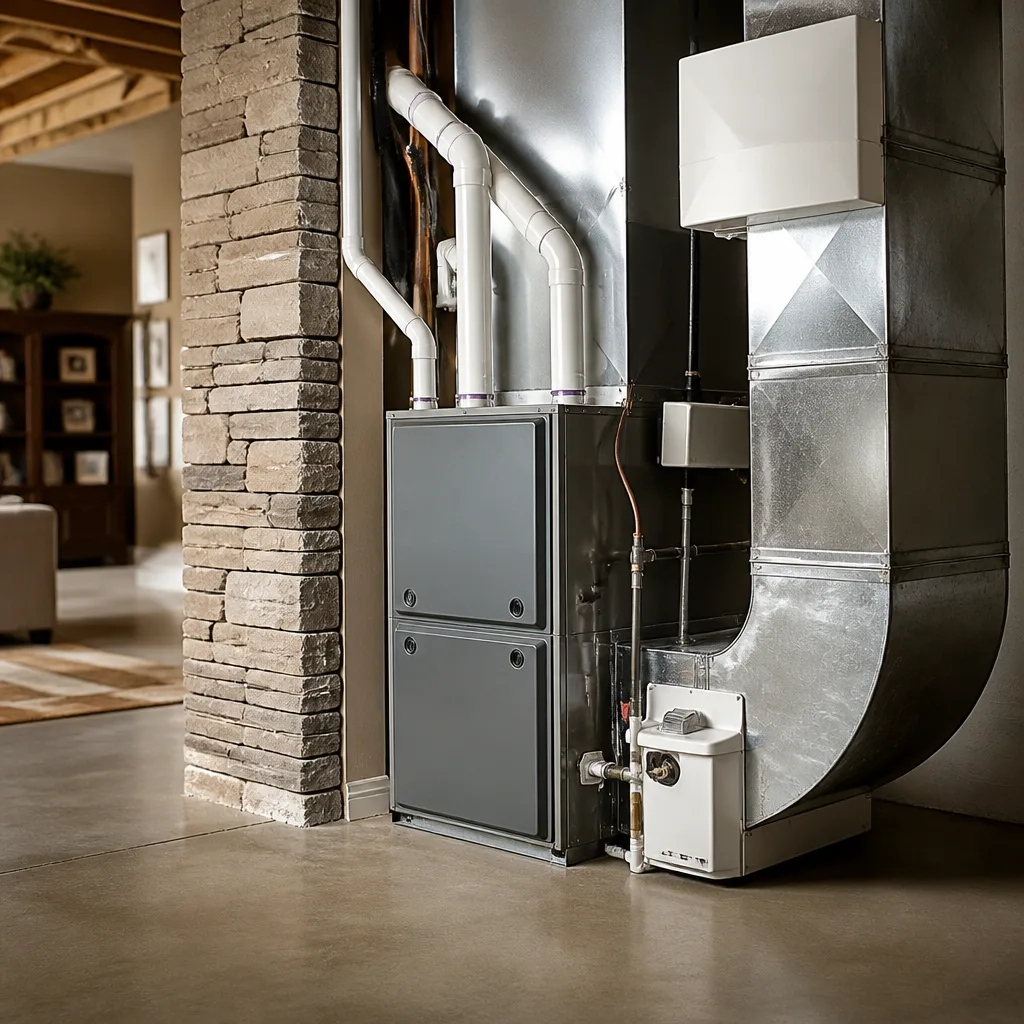
- Furnace and heating side. If your home has a furnace or a heat pump, we cover that side too, so you’re not juggling two contractors. Our furnace repair team works the heating side of the same system.
- The install, not just the box. The same equipment performs differently depending on how carefully it’s installed and commissioned.
We’ll also tell you which of the nine brands we service best fits your situation without pushing any single one, because brand-neutral advice is the entire basis for Steadfast AC Repair‘s approach to equipment.
What a Proper Installation Day Looks Like, Step by Step
A good installation day is a sequence, and it follows a predictable order. Knowing the order tells you when something is being skipped. On a replacement, a well-run day takes the time the job actually needs; on a new system, it runs longer. The point isn’t speed, it’s that each step gets done before the next one starts.
- Protect the home and set up. Floors and furniture get covered, and the work area is defined before anything comes apart.
- Confirm the plan against the paperwork. The equipment going in matches the load calculation, the permit, and the written estimate. Nothing is substituted on the fly.
- Recover the old refrigerant. Refrigerant is recovered and handled properly, not vented. This is expected practice, not a favor.
- Remove the old equipment. The old indoor and outdoor units come out, and the space gets prepped for the new ones.
- Inspect and address the ducts. Anything the pre-install evaluation flagged gets handled here, before the new system is connected.
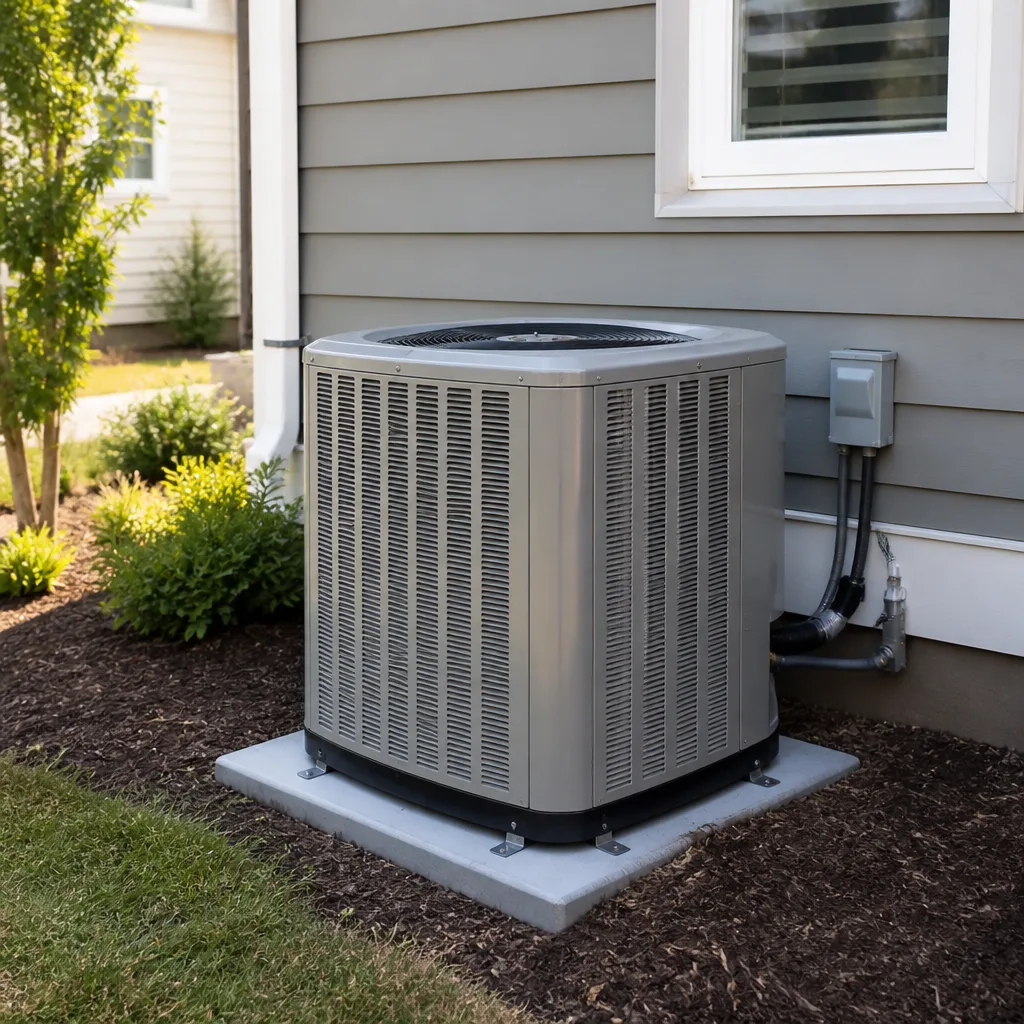
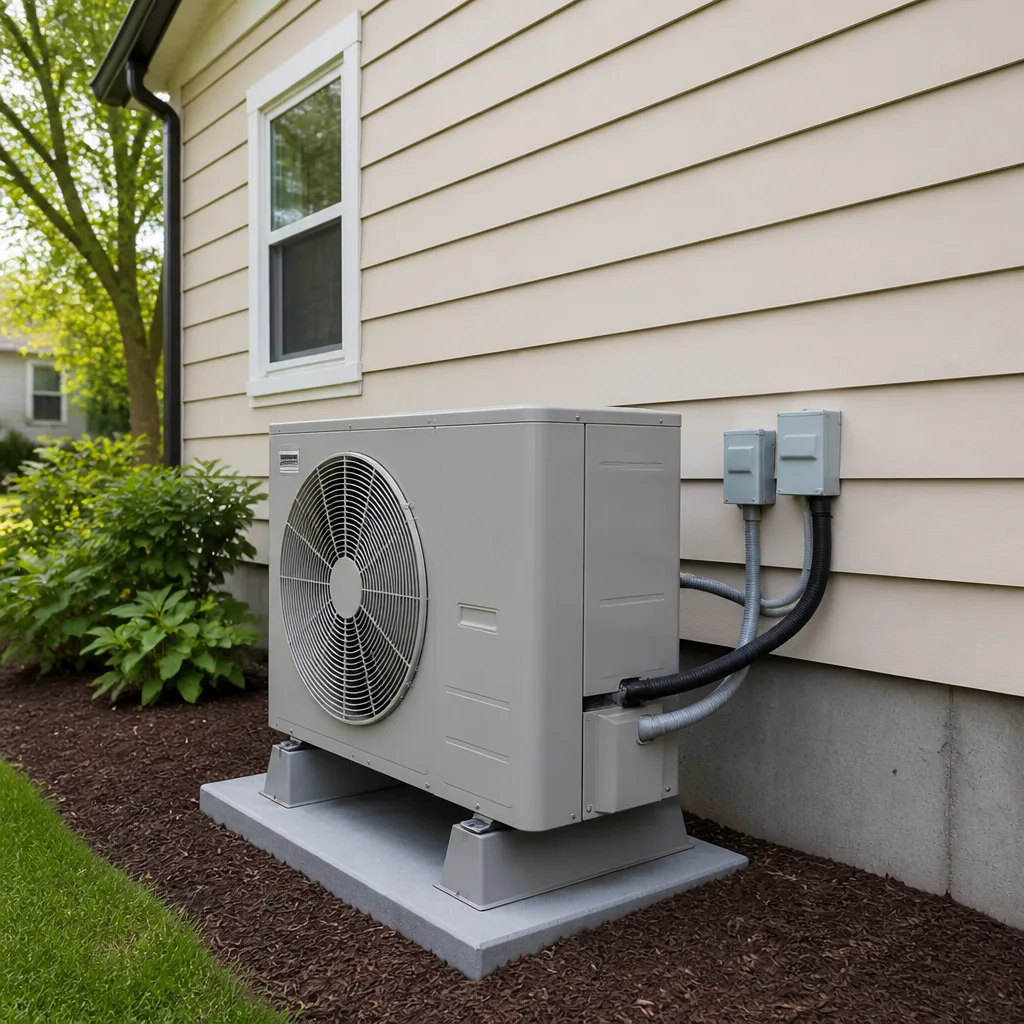
- Set the new equipment. The outdoor unit is placed on a proper pad with correct clearances; the indoor unit goes in aligned and level.
- Run and braze the refrigerant lines. New line sets or properly flushed lines are routed and connected carefully. This is precision work.
- Make the electrical and condensate connections. The disconnect and drain are set so the system is fed safely and condensate leaves the house correctly.
- Start up and commission. The system runs, and the commissioning checks below begin. The job isn’t done here; it’s checked here.
- Walk the homeowner through it. You learn how to run the thermostat, what’s normal, and when to call.
What Signals Something Is Being Skipped
- The equipment arrives before any load calculation or duct evaluation.
- The refrigerant gets vented rather than recovered.
- The job ends with a handshake and no measured airflow or charge verification.
- Nobody mentions the permit or the inspection.
- The installer can’t tell you which brand or model went in and why it was chosen for your home.
The Commissioning Checklist That Separates a Finished Job from a Dropped-Off Unit
Commissioning is the difference between a system that was installed and a system that was verified. Plenty of AC units are bolted in, turned on, and left. The ones that perform reliably get measured. When a system is commissioned, the technician confirms it’s actually delivering the airflow and refrigerant charge the manufacturer designed it for, and that the thermostat is telling the truth. In Miramar’s humidity, that verification is what guarantees the system will remove moisture the way it should.
The Commissioning Checklist
- Measure system airflow. Confirm the system moves the amount of air the design requires through the ducts, not just the equipment’s rated capacity on paper.
- Verify refrigerant charge. The charge is checked against the manufacturer’s target for the installed line length and conditions; undercharge or overcharge both hurt performance and durability.
- Confirm temperature differential. Measure the difference between return and supply air to confirm the system is cooling as it should.
- Check static pressure. High static pressure reveals duct restrictions that would shorten the system’s life and comfort level.
- Confirm the condensate drain slopes and flows. A slow or backed-up drain causes water damage; commissioning confirms it drains properly.
- Calibrate and set the thermostat. Verify the temperature matches reality and program settings that fit how you live.
- Record everything. The measured readings should be written down and left with the homeowner, not just observed and forgotten.
What to Ask For When the Job Is Done
- The commissioning readings, written down.
- The permit number and the final inspection record.
- The equipment model and capacity, with an explanation of why it was chosen.
- A walkthrough of the thermostat and what to expect in the first week.
If a contractor can’t produce commissioning readings, the job wasn’t really finished. It was dropped off.
Common Mistakes to Avoid
- Skipping the Manual J load calculation. If equipment is chosen before the load is calculated, everything downstream is a guess. Ask to see the calculation before you sign, and walk away if it can’t be produced.
- Sizing to match the old unit. “Same as before” assumes the last install was right. In many Miramar homes it wasn’t, which is often why you’re replacing a system early in the first place.
- Ignoring the ducts. Buying the right-sized system and ignoring undersized return air is the classic setup for hot rooms and a strained compressor. Evaluate the ducts before, not after.
- Letting the contractor skip the permit. Unpermitted work means no inspection and a mess to sort out at resale. Permitted work is the baseline, not an upsell.
- Accepting a system with no commissioning. A dropped-off unit that wasn’t charged and airflow-verified will underperform. The readings matter as much as the equipment.
- Choosing a brand over a good install. The brand on the box is less important than the calculation and commissioning behind it. A well-commissioned Goodman will outperform a poorly installed premium brand every time.
- Not keeping the records. Permit, inspection, commissioning readings, and equipment model all belong in your files. You’ll need them at resale or on a claim.
When to Call a Professional
Some steps of an AC installation are genuinely homeowner-friendly: understanding the process, asking the right questions, keeping records. Others are not. Sizing and choosing equipment without a load calculation, pulling a permit without the right credentials, and commissioning a system all require trained, licensed work, and getting them wrong is expensive to undo. If your current system has failed and you need a replacement, or if you’re planning a new install and want the load calculation and duct evaluation done right, this is the point to bring in a professional.
We also handle the heating side, so if your system is a heat pump or furnace combo, you’re covered by one company for both. Our team brings up to 12 years of technician experience to sizing, installation, and commissioning. Steadfast AC Repair offers free estimates in Miramar and answers the phone around the clock. Call (855) 627-2574. We answer 24/7. Fast dispatch from 7am to 7pm, Sunday through Friday.
Frequently Asked Questions
AC installation in Miramar is priced per job based on the load calculation, the equipment chosen, the ductwork, and permit requirements, so a single flat number isn’t meaningful without knowing your home. Expect the written estimate to itemize the equipment, installation work, and any duct or electrical changes. That estimate sets the final price. Call (855) 627-2574 for a free estimate that reflects your actual home.
No. A proper installation involves a load calculation, permit, equipment order, and commissioned start-up, so it’s scheduled rather than rushed. Skipping those steps to save a day is exactly what leads to sizing mistakes and underperformance. Call (855) 627-2574 to get your install scheduled and priced.
In most cases, yes. Miramar and Broward County generally require a mechanical permit for an AC installation or replacement, and the work is inspected. Confirm the exact requirements with the City of Miramar’s permitting office, and make sure your contractor pulls the permit and gives you the final inspection record. Call (855) 627-2574 if you want to talk through what a permitted install involves.
Ask to see it before equipment is ordered and confirm it’s a room-by-room calculation with inputs specific to your home, including window, insulation, roof, and occupancy details. A real calculation reports both cooling and moisture-removal capacity. If the contractor can’t produce one, or gets evasive, that’s a red flag. Call (855) 627-2574 and we’ll walk you through ours.
We work on nine of the most widely installed HVAC brands: Carrier, Trane, Lennox, Goodman, Rheem, York, Daikin, Bryant, and American Standard. That means you’re unlikely to hear “we don’t work on your unit.” It also means our equipment recommendations are driven by what fits your home, not by a single manufacturer’s lineup. Call (855) 627-2574 for a straight assessment.
A finished job has commissioning readings: measured airflow, verified refrigerant charge, confirmed temperature differential, and a checklist left with the homeowner. A dropped-off unit was bolted in and switched on. In Miramar’s humidity, that difference shows up fast in comfort, moisture, and equipment life. Call (855) 627-2574 to have your install commissioned properly.
The Bottom Line
A successful AC installation in Miramar is decided in the weeks before install day, not on it. The critical path runs from a real room-by-room Manual J load calculation, to a ductwork evaluation, to matching equipment to the home, to a pulled permit and inspection, to a documented installation day, to a commissioning checklist with measured airflow and charge. Every step you can verify works in your favor. Every step that skips is a shortcut you’ll feel for years. We work on nine major brands and the heating side of the system too, so we can advise you without being tied to any one manufacturer. Call (855) 627-2574 for a free estimate. We answer 24/7. Fast dispatch from 7am to 7pm, Sunday through Friday.
Written by the team at Steadfast AC Repair.
See the difference
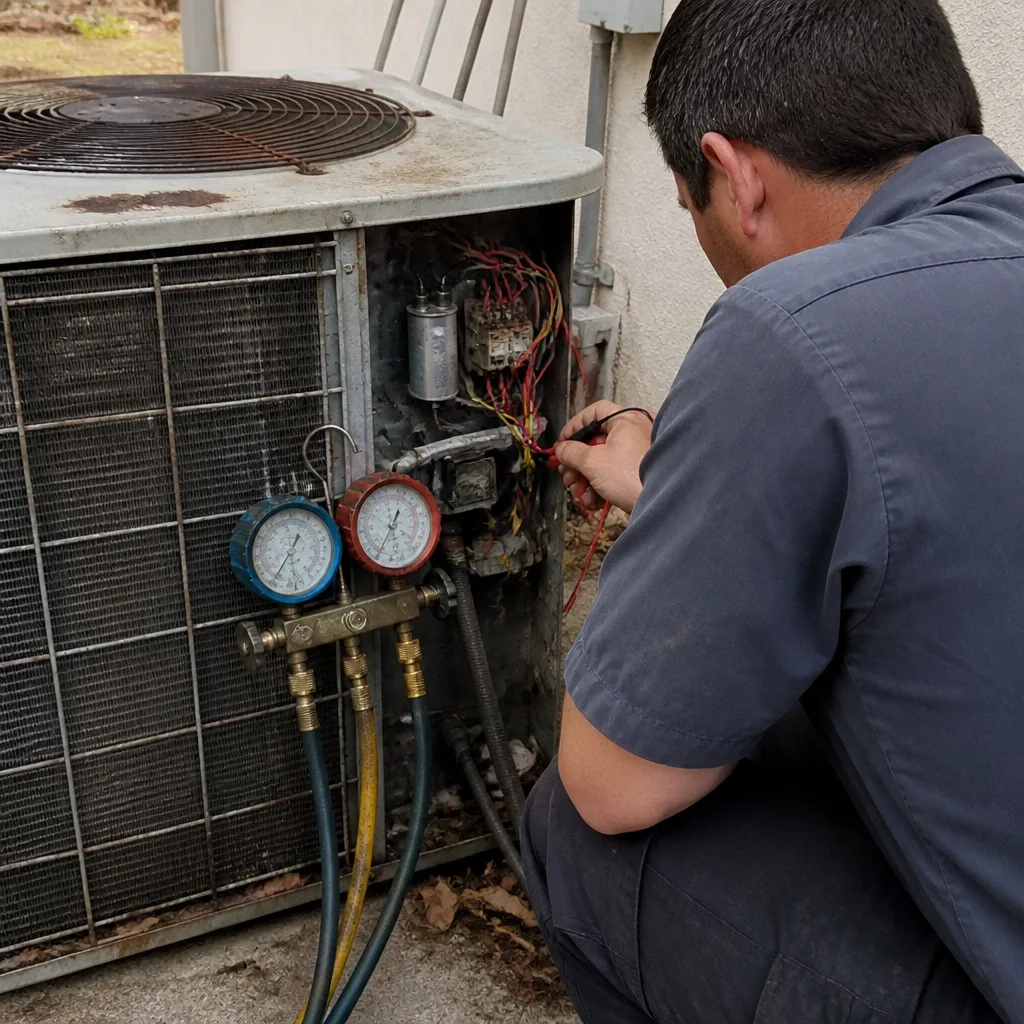 Before
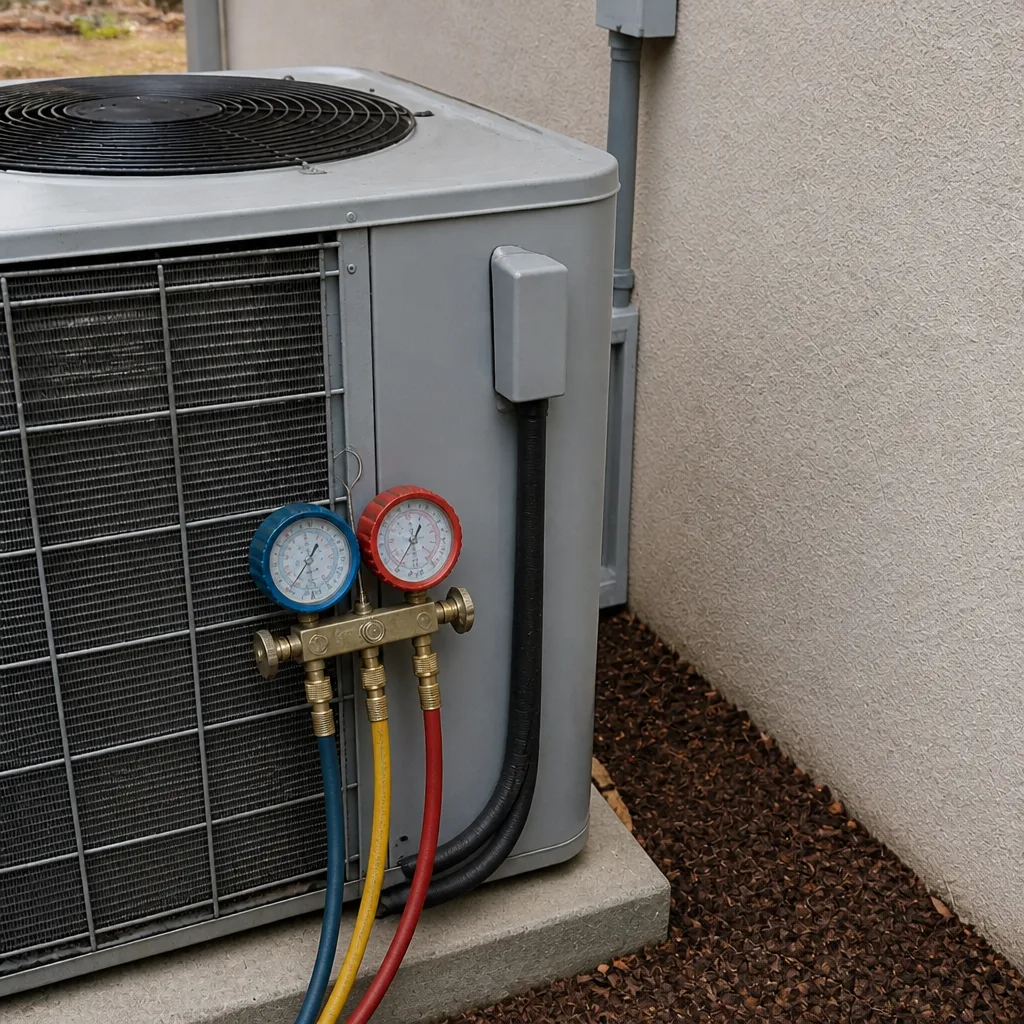 After
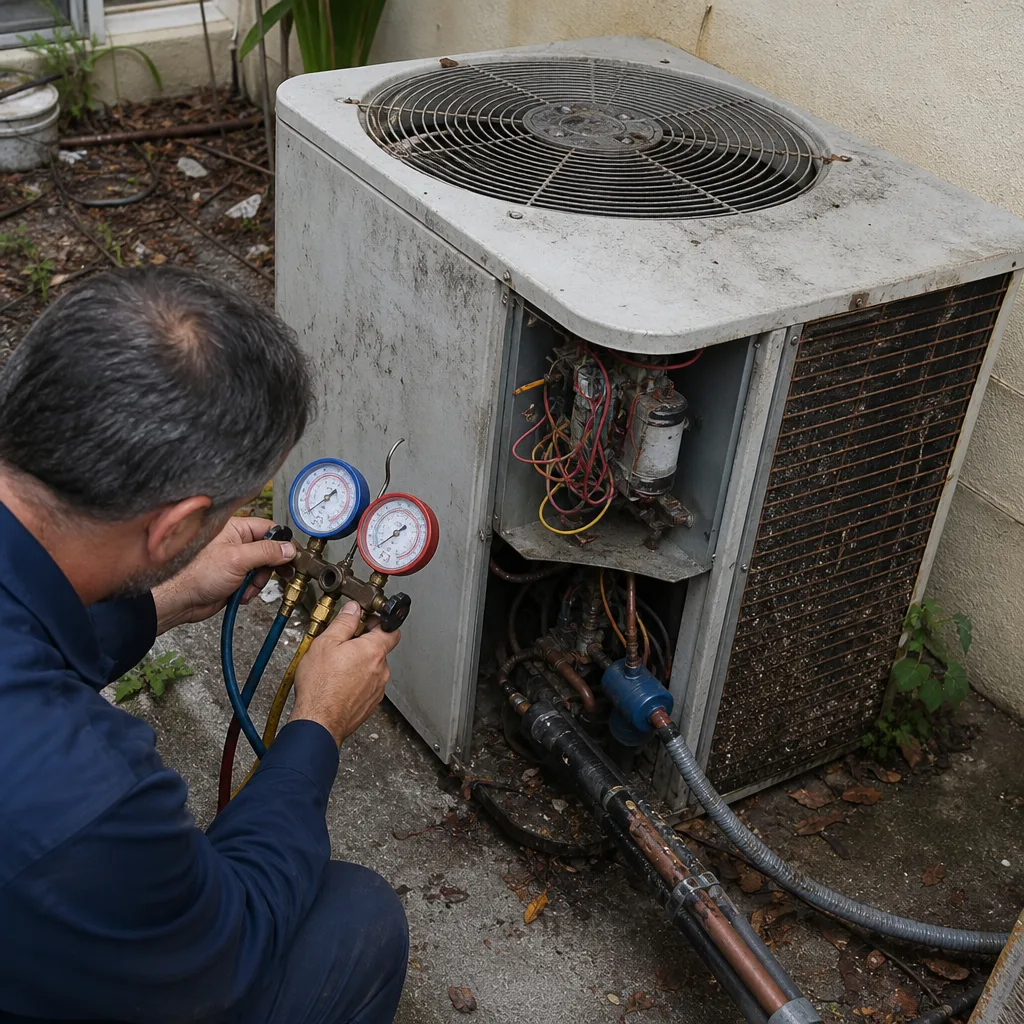 Before
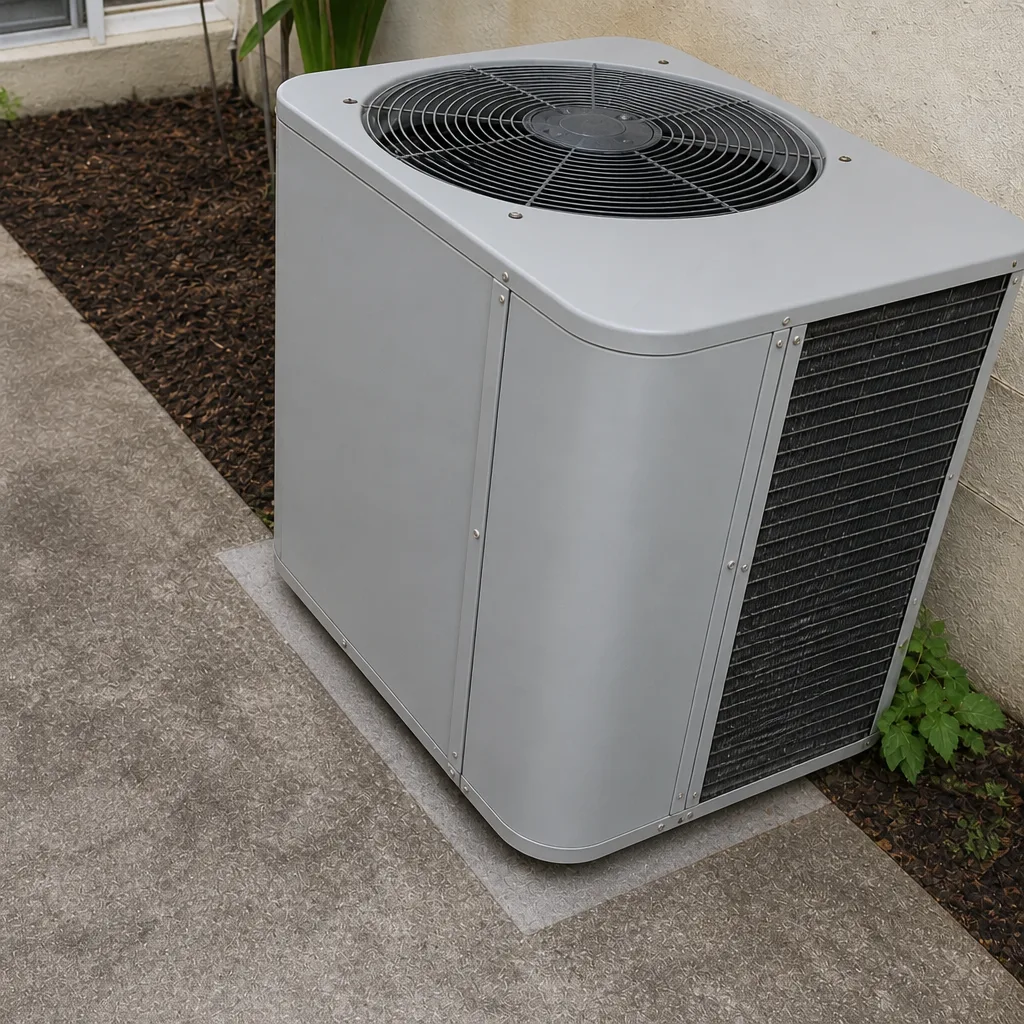 After
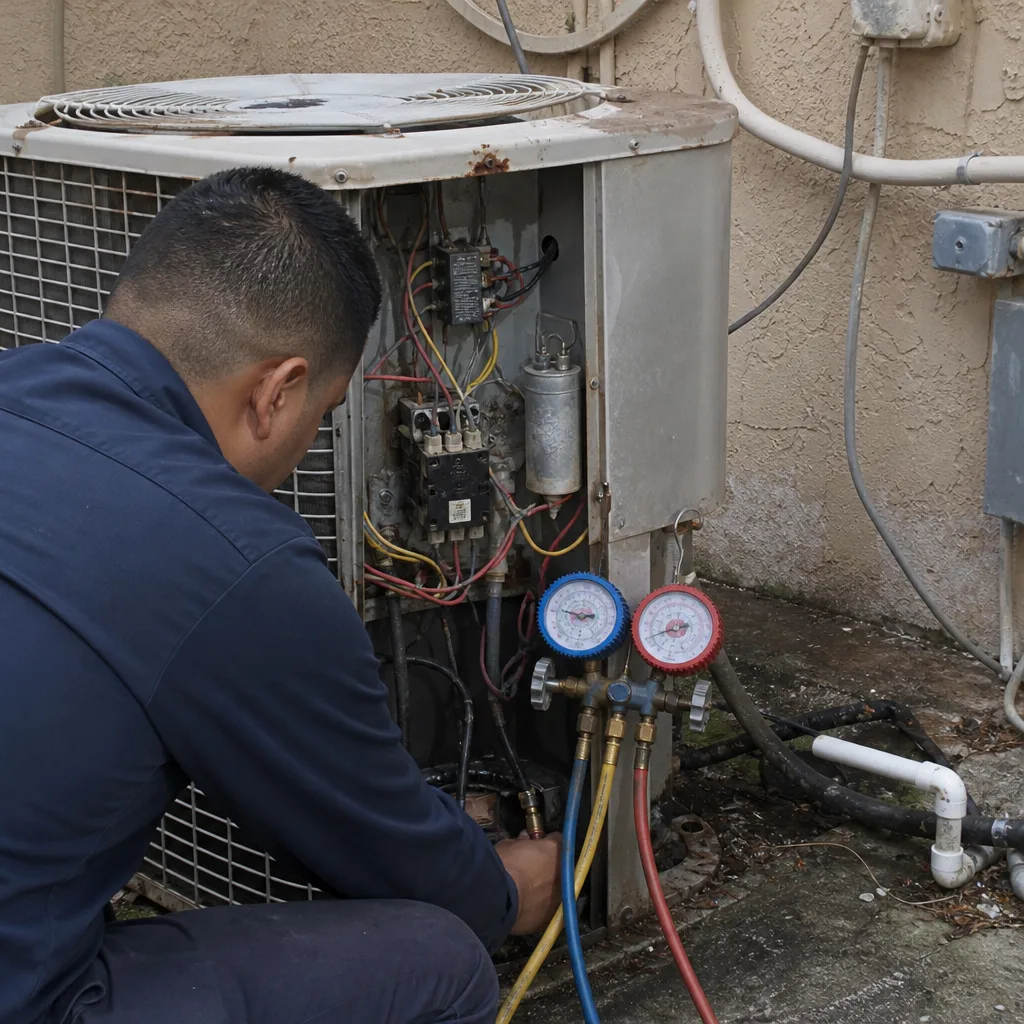 Before
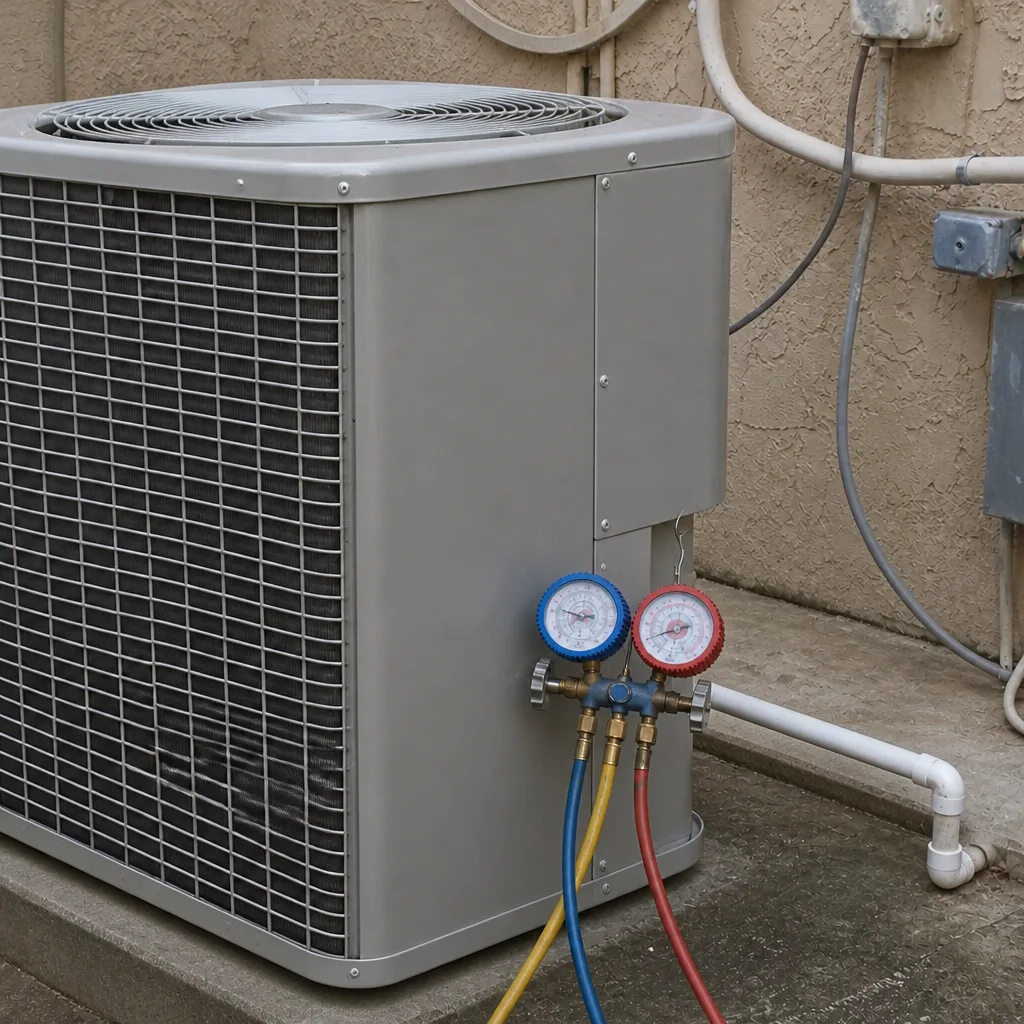 After