
Last updated November 16, 2026
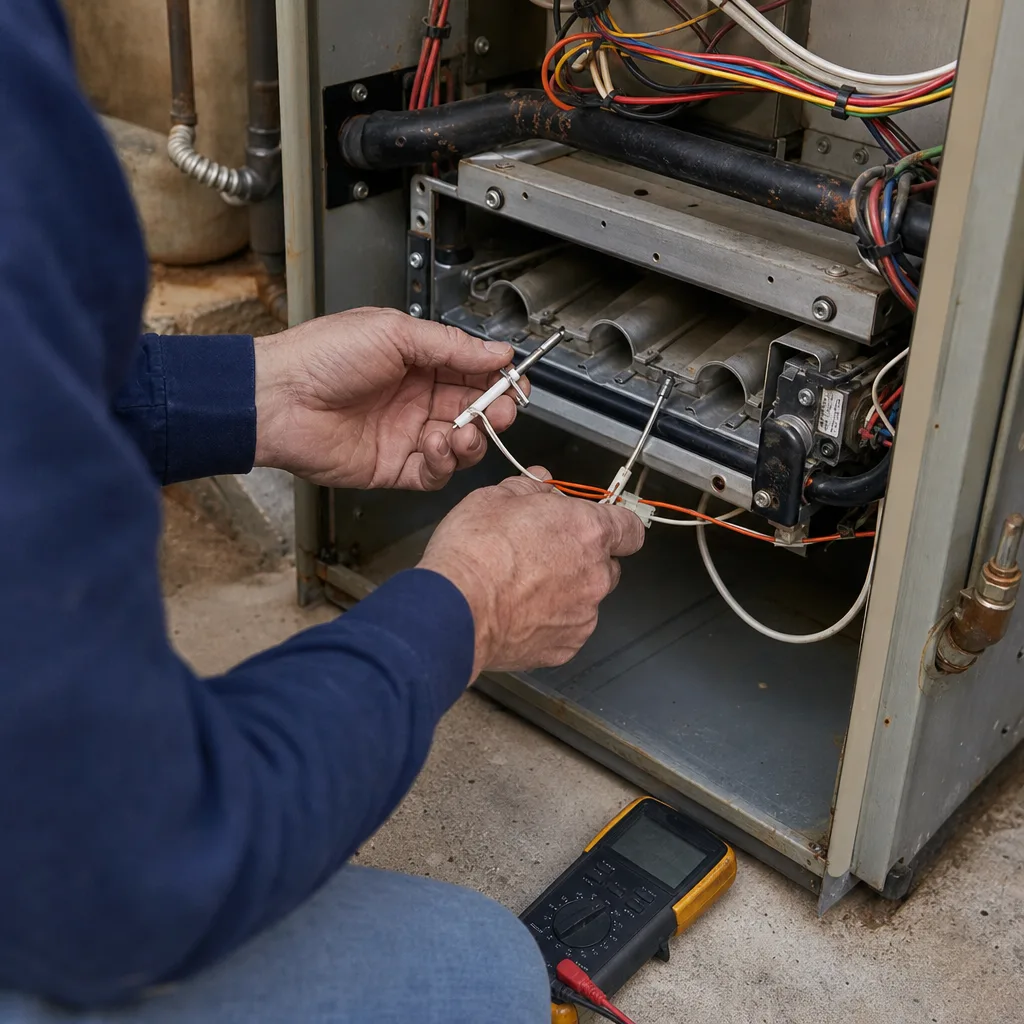
 AC repair
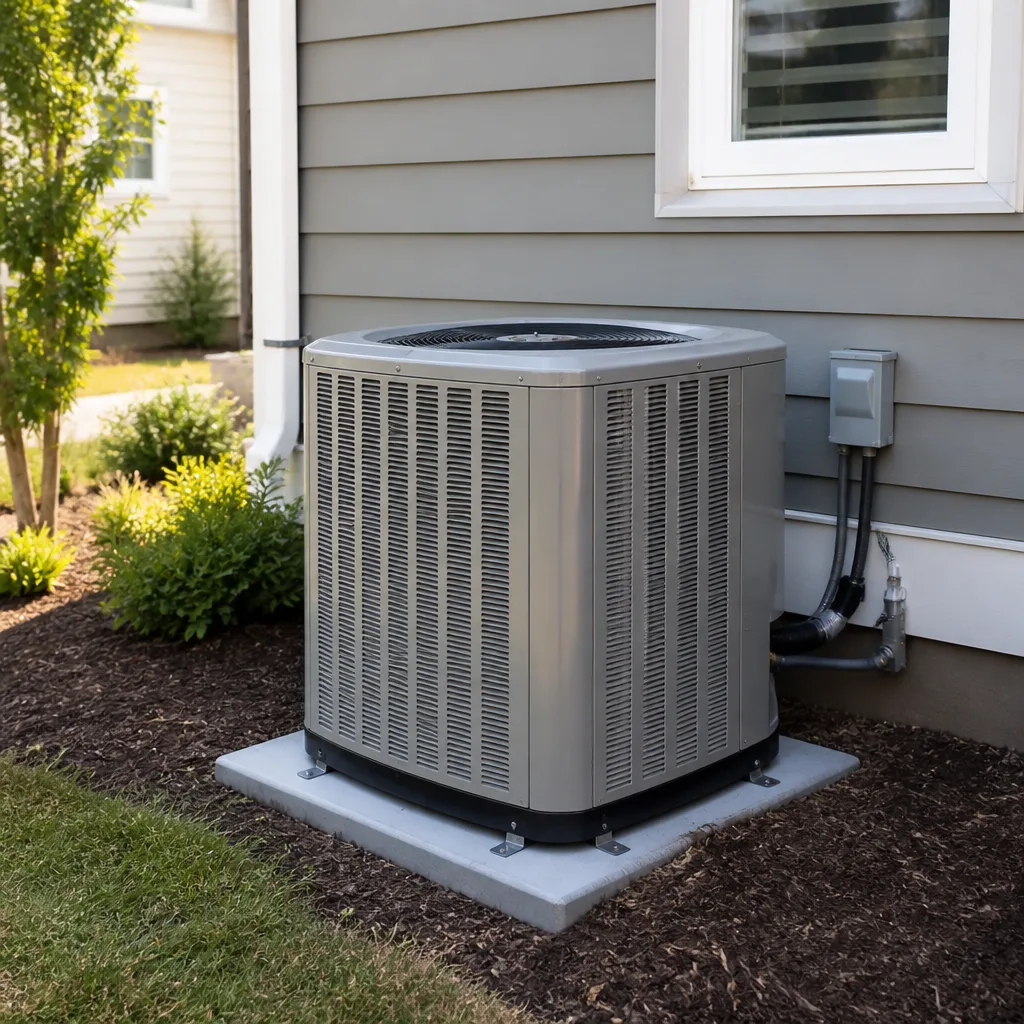
 Furnace & heating
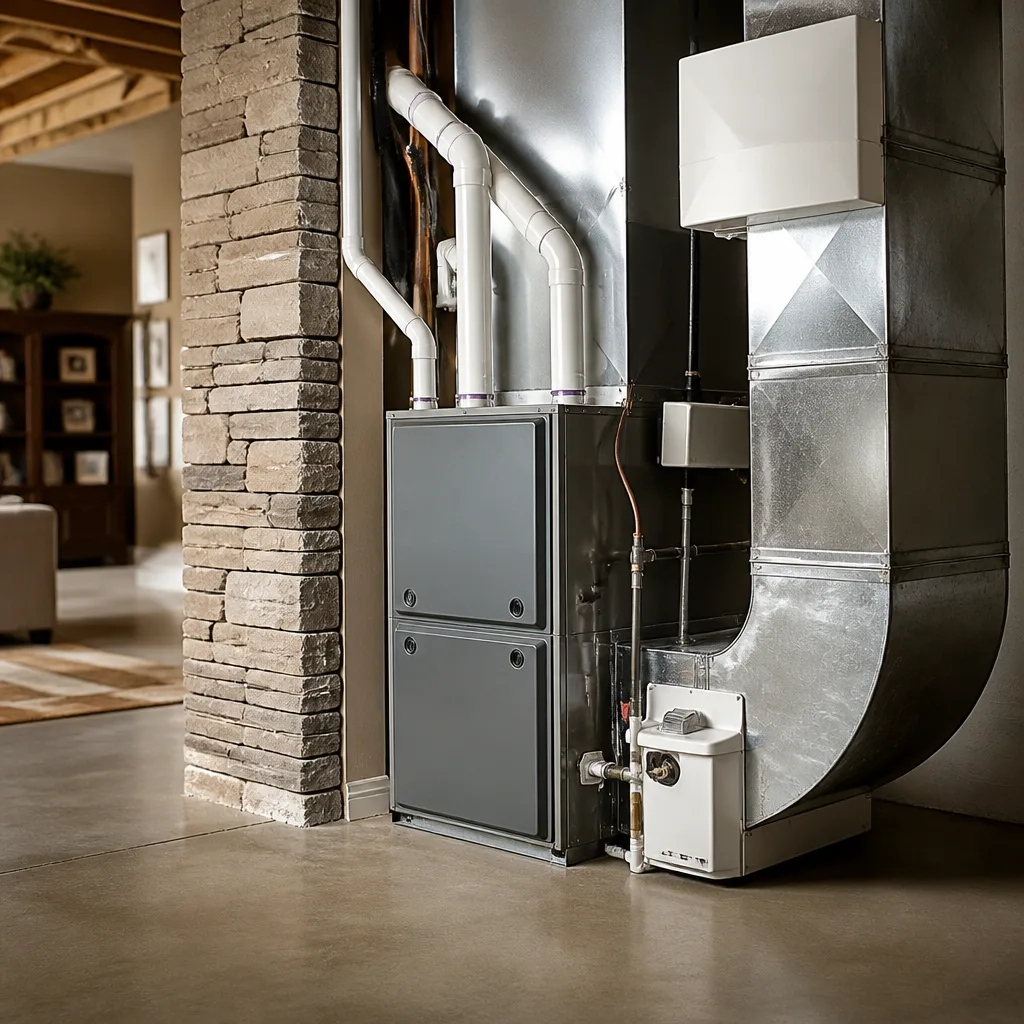
 Heat pumps
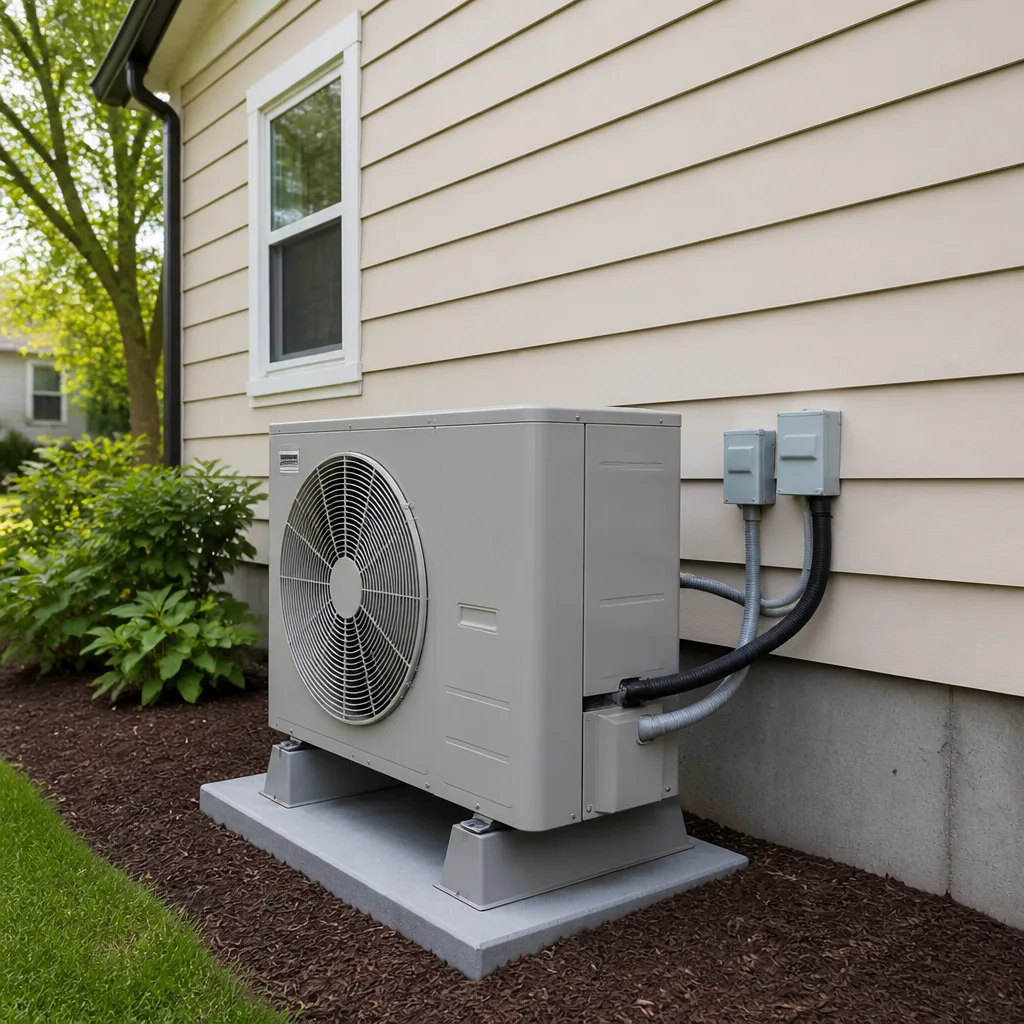
 Ductless mini splits
 Carrier
 Trane
 Goodman
Seasonal tune-up and full diagnostic on your Carrier, Trane, or Goodman system - readings shown to you before any repair is proposed
Diagnosis first, numbers second - you approve the repair price before a single part goes in.
Get your free estimateAC Installation Troubleshooting in Miramar: Common Problems and How to Fix Them
A brand-new air conditioner that shuts off every few minutes isn’t broken. In our experience, it’s usually oversized, and no number of warranty parts swaps will correct a sizing error that was baked into the job before the first line set was run. That’s the uncomfortable truth about post-installation problems in Miramar: most of them are not equipment failures at all. They’re diagnostic signals pointing back to decisions made during the install. This guide maps the symptoms you’re likely to notice in the first thirty days to the root causes behind them, so you can walk into a conversation with your contractor informed rather than talked down to.
Quick Answer
Most problems that appear in the first weeks after a new AC installation in Miramar trace back to one of four installation errors: incorrect equipment sizing that causes short-cycling, improper refrigerant charge that ruins dehumidification and cooling capacity, duct balancing or static pressure mistakes that leave some rooms warm, and loose components or line-set issues that produce unusual noise. A defective factory part is the rarest explanation of the four. Your written estimate, the equipment nameplate, and the permit inspection record are the three documents that settle most disputes.
Styles & brands we work with
- AC repair
- Furnace & heating
- Heat pumps
- Ductless mini splits
- Carrier
- Trane
- Goodman
Table of Contents
- Short-Cycling After Installation
- Uneven Cooling From Room to Room
- High Indoor Humidity Despite Running
- Unusual Noises in the First Week
- Duct Balancing and Static Pressure
- What to Do When a Contractor Disputes a Complaint
- When to Call a Professional
- Frequently Asked Questions
Short-Cycling After Installation: Why It Rarely Means a Bad Part
Short-cycling is the most misdiagnosed post-installation complaint we hear about. The system starts, cools for a few minutes, shuts off, and restarts shortly after. Homeowners often assume the compressor or control board is faulty. In practice, an oversized unit is the far more common cause, and low refrigerant charge runs a close second.
Here’s the mechanism. An air conditioner removes heat and moisture most efficiently when it runs long, steady cycles. An oversized unit cools the space so quickly that it satisfies the thermostat and shuts down before it has pulled meaningful humidity out of the air. Then the temperature drifts up, it fires again, and the pattern repeats. The house feels clammy and the compressor wears faster from all the starts and stops.
Miramar’s cooling load gets calculated at a summer design temperature well above what many national sizing shortcuts assume. In our experience, the two ways sizing goes wrong here are:
- Rule-of-thumb square footage sizing. Multiplying floor area by a single factor ignores window glass, ceiling height, insulation, and how much of the home’s west side takes afternoon sun. Miramar homes vary enormously in all four.
- Reusing the old unit’s tonnage. If the previous system was sized decades ago for different windows or insulation, copying that number carries the error forward.
A proper sizing starts with a room-by-room load calculation, often called a Manual J. If your contractor can’t produce one for your job, that’s the first question worth asking. Low refrigerant charge is the second suspect, and it comes from a different installation failure: an improper evacuation and charging procedure during start-up, or a connection that was never torqued to spec. Either way, a technician confirms it with manifold gauges and superheat and subcooling readings, not by feel.
What to check before you call anyone
- Time the cycles. Note how long the system runs and how long it rests. Write it down over a couple of days.
- Compare the unit’s model and serial number to what your written estimate specified.
- Note the outdoor temperature when it happens. Short cycles in mild weather are one of the classic signatures of oversizing.
- Ask for the load calculation and the charging readings in writing.
Sizing decisions are the hardest thing to correct after the fact, which is why the right time to get them right is before the equipment is ordered. Our AC installation process starts with that load calculation for exactly this reason.
Uneven Cooling Room to Room Immediately After Installation
If one bedroom is cold and the one next to it never quite gets there, and the equipment is brand new, the system is probably moving the right amount of air overall but distributing it badly. That’s not an equipment fault. It’s an air-side problem, and it comes in two flavors that feel identical to a homeowner but have very different fixes.
Duct balancing problems versus static pressure problems
Duct balancing means the volume of air going to each room isn’t matched to the room’s actual heat gain. A damper in the wrong position, a branch run that’s oversized or undersized relative to its diffuser, or a supply register that’s simply dumping air toward a wall all produce a room that runs warm. The fix is adjusting or re-balancing the system, and often replacing a register or two.
Static pressure problems are about restriction. If the total pressure in the duct system is too high because of undersized returns, tight turns, or a filter grille that’s too small for the airflow, the blower can’t push its rated volume no matter how you set the dampers. High static pressure also strains the blower motor and can cause a new unit to cycle on a safety control. A technician measures static pressure at the return and supply with a manometer; you can’t diagnose it by feel.
How to tell which one you have
- Warm room that improves when you leave other doors open: leans toward a return or pressure issue.
- Warm room that stays warm no matter the door positions, but the air from its register feels strong: leans toward a duct run or insulation issue on that branch.
- Every room feels weak, not just one: strongly suggests high static pressure or an undersized return.
- Master suite on a long duct run from the air handler: common in Miramar’s larger homes where the mechanical closet sits far from the bedrooms; the run loses cooling capacity on the way if it’s not insulated well.
Each of these needs a measurement, not a guess. If a contractor’s answer to “some rooms are warm” is “turn the thermostat down,” ask for static pressure readings and a duct layout sketch instead.
High Indoor Humidity Despite the System Running
This is the problem homeowners notice last and dislike the most. The thermostat reads 74 degrees, the system has been running, and the house still feels sticky. In Miramar, where summer humidity is the defining feature of the climate, a system that cools without dehumidifying will be uncomfortable regardless of the setpoint.
An air conditioner dehumidifies as a byproduct of the coil getting cold and the air moving across it slowly enough to give moisture time to condense. Two conditions kill that process:
- Improper refrigerant charge. Overcharging a system, or even undercharging it, changes the coil’s operating temperature. If the coil isn’t reaching the temperature it was designed for, it condenses much less water from the air while still technically cooling the house. This is an installation detail set during commissioning and it can be wrong from day one.
- Oversized equipment. Even a perfectly charged oversized unit removes less moisture because it doesn’t run long enough to drain the coil and pull air humidity down. It satisfies temperature before it satisfies humidity.
Airflow that’s too high for the coil is a third contributor. If the blower is set for a higher cubic-feet-per-minute than the indoor coil can handle, air blows through too quickly to release its moisture. That setting is chosen during installation, and it’s adjustable.
What you can verify
- Pick up an inexpensive hygrometer and record indoor relative humidity at the same time each day for a week.
- Note whether the system runs short bursts or long, steady stretches. Long runs dehumidify better.
- Check that your thermostat fan setting is on AUTO, not ON. Continuous fan recirculates moisture off a wet coil back into the house.
- Ask your contractor for the measured superheat and subcooling at commissioning, plus the blower’s airflow setting. Those three numbers tell a technician nearly everything.
Comfort complaints rooted in humidity are legitimate quality complaints, not a preference. If your contractor can’t explain the charge and airflow settings, an independent technician can measure them. Our Steadfast AC Repair technicians carry the gauges and manometers to do exactly that sort of diagnostic work.
Unusual Noises in the First Week: Normal Versus Not
New equipment makes new sounds, and the first week is when homeowners hear them all. Some are normal break-in noises that fade. Others are genuine signals that something installed wasn’t secured or torqued correctly. Here’s how to sort them without panicking or ignoring something that matters.
Sounds that are usually normal at start-up
- A rushing or whooshing sound at the registers for the first moments after the blower starts. That’s air moving through ducts that may have been adjusted or reinstalled. It usually settles.
- A soft click from the thermostat and a short relay click from the air handler. Normal controls operation.
- Mild creaking or ticking from ductwork as it warms or cools. Sheet metal expands and contracts, and newly installed duct runs tend to be noisier for a week or two.
- A gentle hum from the outdoor condenser. Normal at steady operation.
Sounds that need a call
- Rattling or buzzing from the condenser or air handler. Often a loose panel, an unsecured line set, or a fan blade contacting its housing. Easy to fix, worth fixing quickly.
- Hissing or a high-pitched whistle. This can be a refrigerant line with a loose connection or a metering device issue. Put your hand near the line set without touching it; if you hear a hiss near a connection, turn the system off and call.
- Grinding or scraping from the indoor blower. Stop and call. That noise usually means something is interfering with the blower wheel.
- Loud banging on start-up or shut-down. Can indicate a duct or component that’s not properly secured, or a compressor issue.
Record a short phone video of any suspicious sound with the unit visible and the thermostat accessible. That recording saves the first visit from becoming a fishing expedition, and it’s useful evidence if you and your contractor disagree later. If any noise is accompanied by a burning smell or the smell of refrigerant, shut the system down at the thermostat and call us. Call (855) 627-2574. We answer 24/7. Fast dispatch from 7am to 7pm, Sunday through Friday.
Duct Balancing and Static Pressure: The Installed House, Not Just the Equipment
An installation isn’t finished when the new condenser is set and charged. In Miramar’s homes, the duct system matters as much as the equipment, because the vast majority of installations reuse the existing ducts. If those ducts were sized for the old unit or have been modified over the years by other trades, a correct equipment installation can still deliver the wrong result in the rooms.
Static pressure is the key measurement. Think of it as how hard the blower has to push to move air through the whole system, including the return, the filter, the coil, and the supply runs. Everything after the blower is a restriction, and a filter in a grille that’s too small for the airflow adds restriction with every replacement.
Where static pressure problems come from in a typical Miramar install
- Undersized return air. Many older homes have a single return near the hallway. A new, higher-capacity blower moving more air through that return raises pressure fast.
- Restrictive filter setups. A high-MERV filter that was fine on the old unit can choke a new one. A technician should check the filter’s actual pressure drop at commissioning, not assume.
- Tight turns and flex duct runs. Long, kinked flex duct is the most common restriction we find in retrofitted systems.
- Duct leakage in unconditioned space. Attic ducts in Miramar lose cooling to the attic if the joints aren’t sealed, and that affects both comfort and the equipment’s performance.
A proper commissioning report includes static pressure readings at the return and supply, the filter’s pressure drop, and the airflow each register is delivering. If you got an installation without those measurements, ask for them. If you got a new unit and some rooms are still warm, the answer lives in this section. Steadfast AC Repair works on Miramar homes across Miramar’s varied housing stock, from the older neighborhoods to the newer builds in the west, and we’ve seen every one of these duct-side failure modes. Our technicians have up to 12 years of experience working with equipment from York, Daikin, Bryant, and American Standard, among the nine brands we service.
When a Contractor Disputes a Post-Installation Complaint
Disagreements after an install are common, and they’re stressful because the equipment is new and the stakes are high. The good news is that Florida’s construction permitting system leaves a paper trail that helps. Here’s a clear sequence to follow before the relationship gets adversarial, and a real answer to the question homeowners ask most: what leverage do I actually have?
The documents that matter
- Your written agreement and the equipment schedule. Which model was specified, which was installed. Compare the nameplate on the outdoor unit to the paperwork.
- The load calculation. If it wasn’t part of the job, that’s a tell in itself.
- The commissioning report. Charge measurements, airflow setting, static pressure readings. Some contractors provide these without asking; others don’t unless you request them.
- The building permit and inspection record. In Broward County, an AC replacement or new installation generally requires a permit through the local building department, with inspection. You can request those records from the building department or pull them through the county’s online permitting portal. The inspection record confirms that the installation was inspected, and any notes on it are useful context.
A step-by-step way to handle the dispute
- Write down the symptom, its frequency, and what you’ve measured (humidity, temperatures, cycle times). A factual record beats a verbal complaint.
- Contact the contractor in writing and describe the issue. Ask for the commissioning report and the load calculation.
- If the contractor disputes the complaint, request a joint site visit or a second opinion from an independent licensed technician. A written measurement from a second technician changes the conversation quickly.
- Check the permit status. If the job required a permit and none was pulled, that’s a significant lever with the contractor and the local authority.
- If the issue isn’t resolved, contact your county’s consumer protection office or the state licensing board. Most of these issues settle long before that point, because a contractor with a permit record is motivated to close the loop.
What we’d tell any homeowner in this situation: the leverage isn’t anger, it’s documentation. Measurements, a permit record, and written communication make a resolution much more likely. A furnace repair call in the winter is a different animal from an installation dispute, but the same principle applies: the written record is what wins.
See the difference
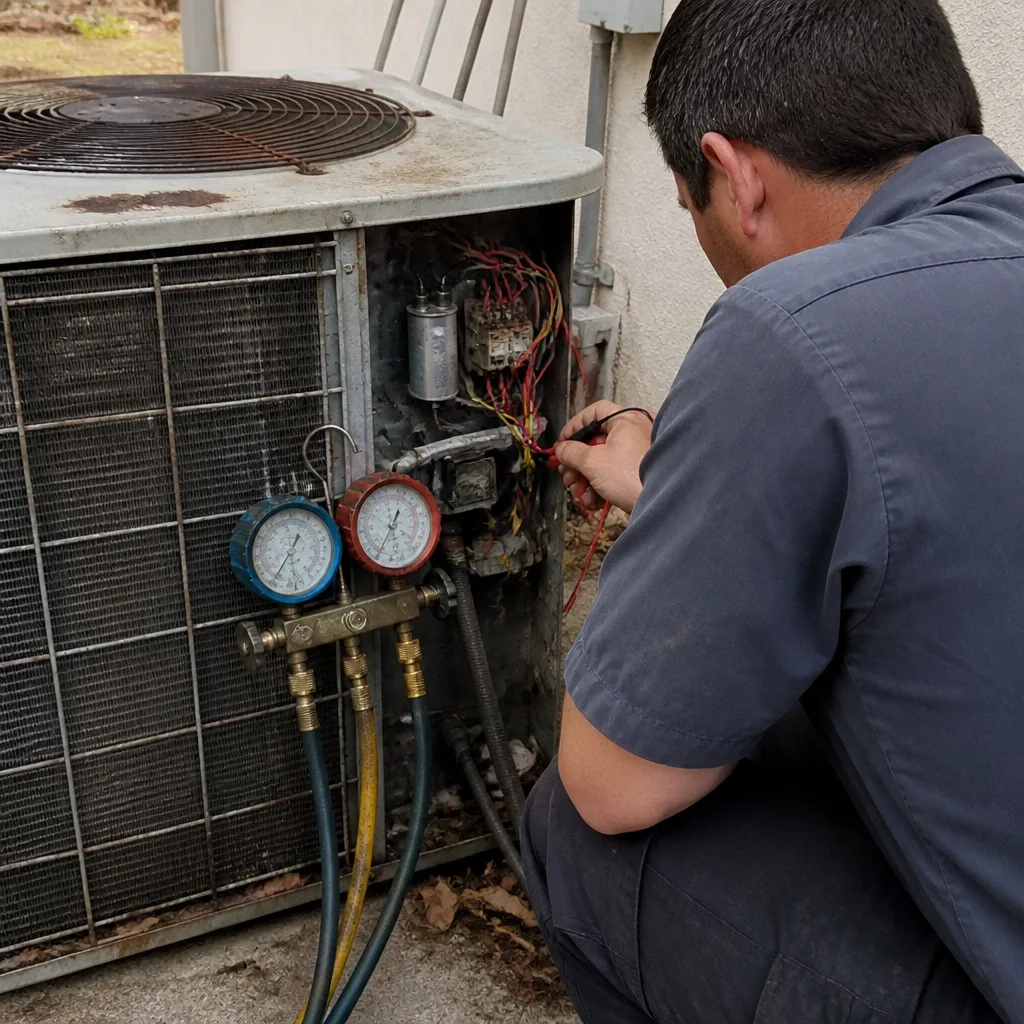 Before
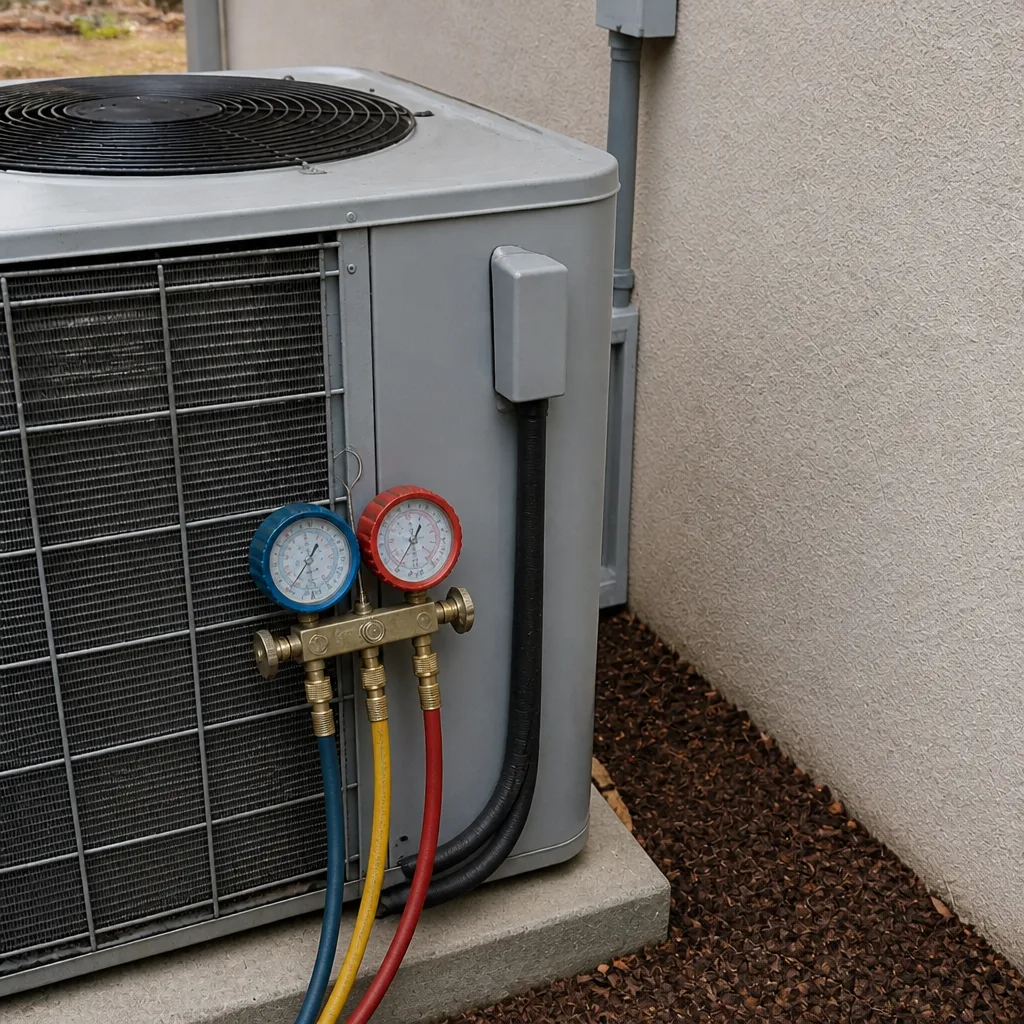 After
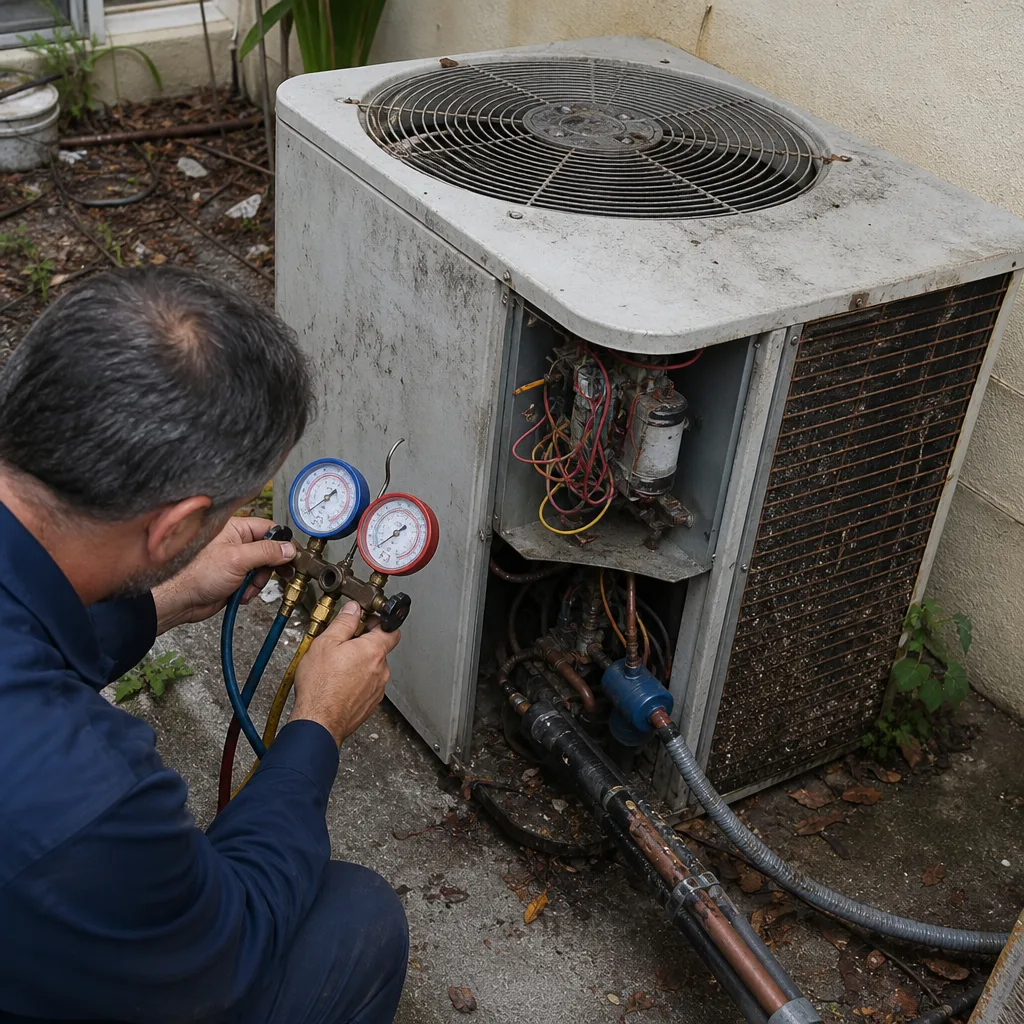 Before
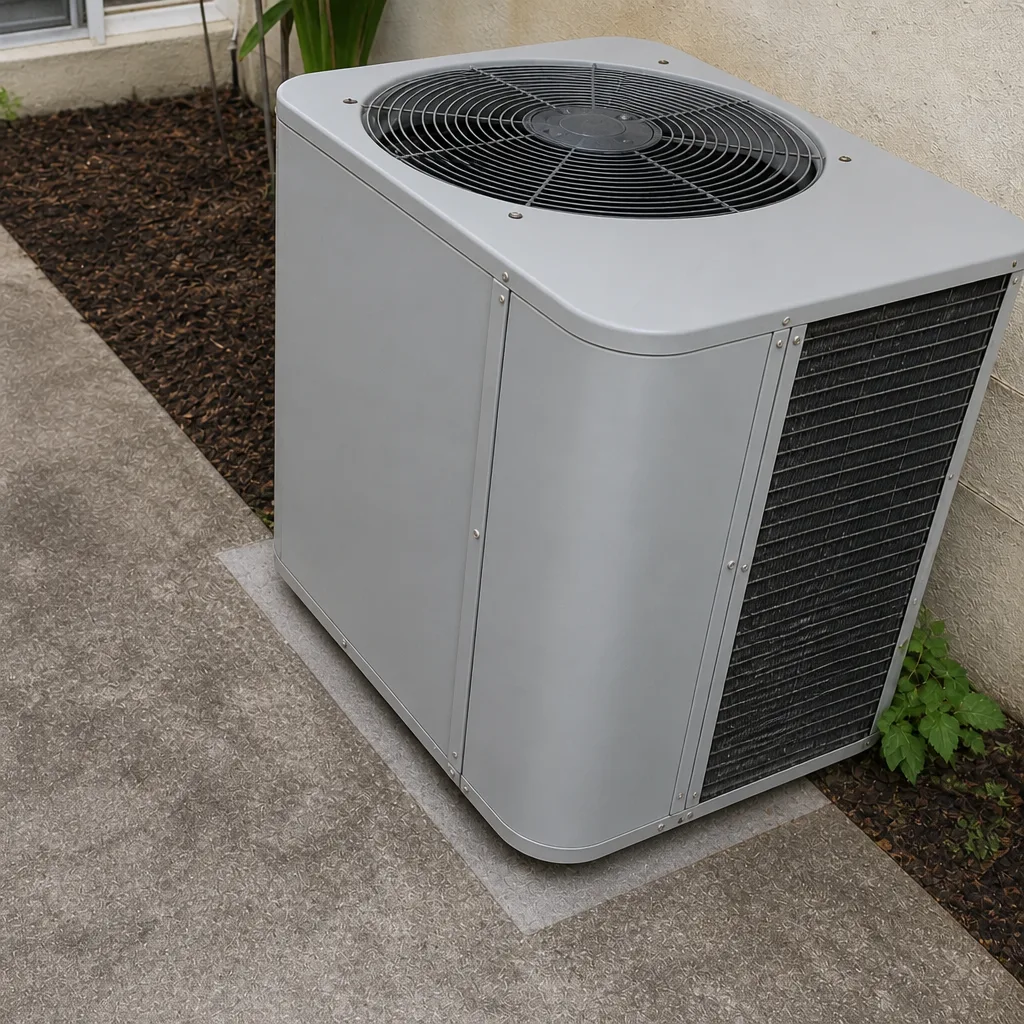 After
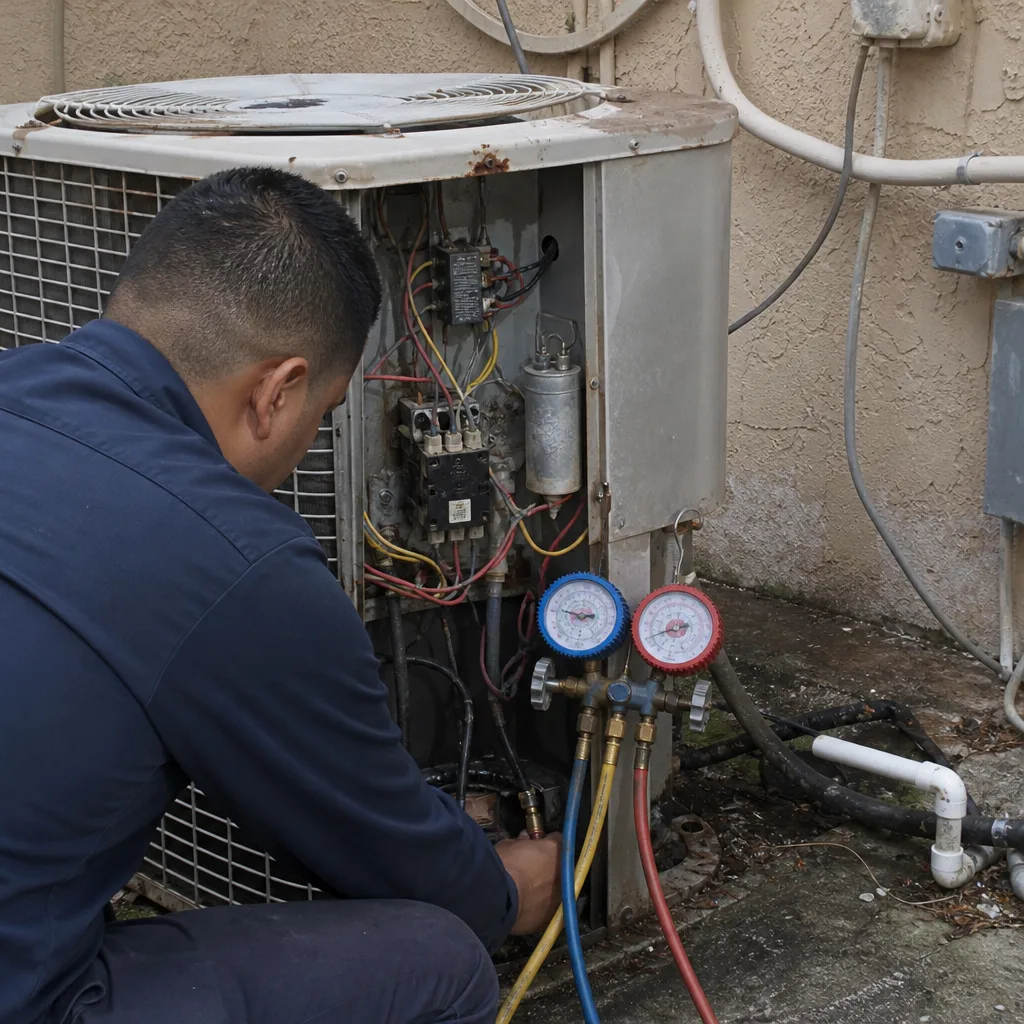 Before
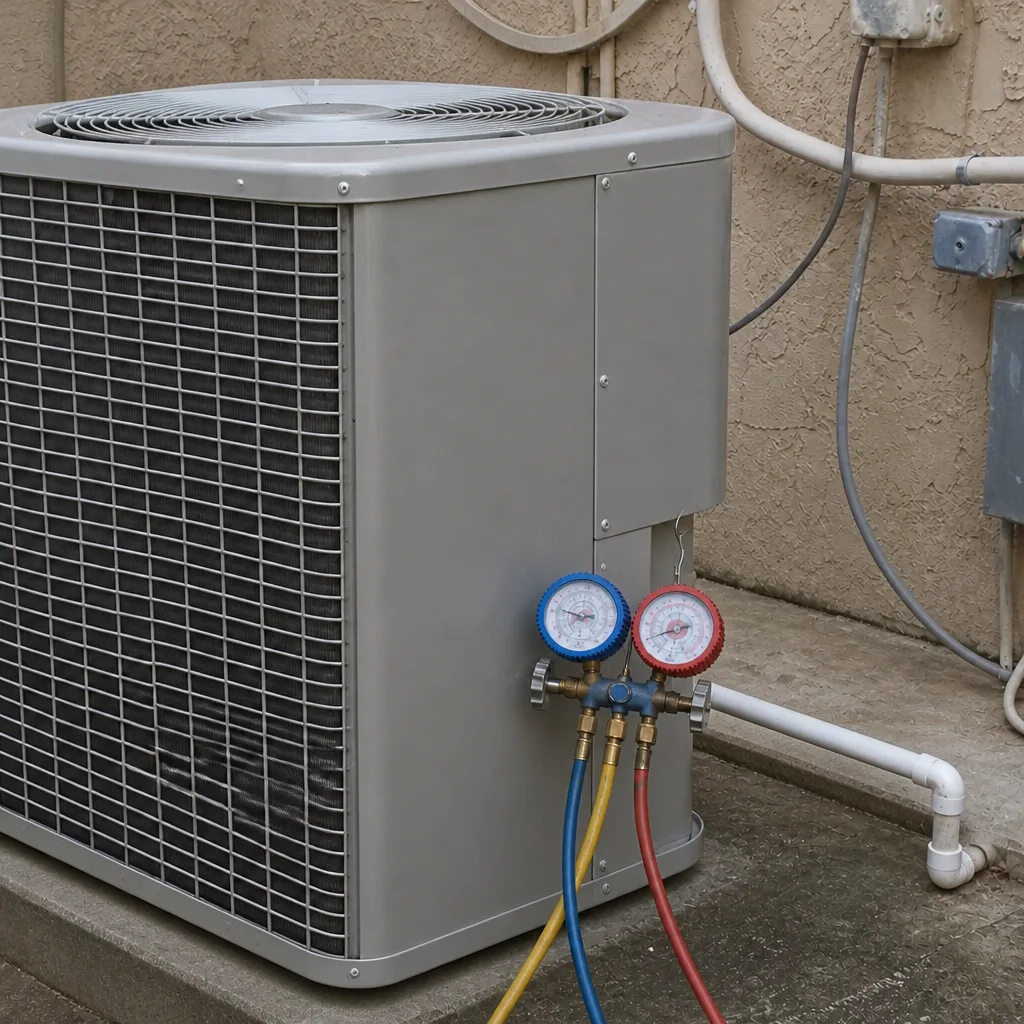 After
Common Mistakes to Avoid
- Accepting a size based on square footage alone. The load calculation should be room by room and reflect how much glass your Miramar home has, which direction the main rooms face, and how much insulation you have.
- Skipping the permit to save a few dollars. An unpermitted install becomes a problem when you sell or when you need to make a claim. Check with your city’s building department to confirm what your project needs.
- Assuming every noise is a defect. Give a new system a week to settle and record anything that’s actually concerning. A rushed complaint over normal break-in noise can harm the relationship with a contractor who’s doing it right.
- Running the fan continuously. During Miami-Dade and Broward summers, fan ON mode recirculates moisture from the wet coil back into the house, which makes humidity complaints worse.
- Signing off on the job before seeing the commissioning report. The charge, airflow, and static pressure readings are the record of how the installation was performed. Ask before the check clears.
- Ignoring the duct system because you bought new equipment. If the ducts were sized for the old unit, they may not be sized for the new one. A new condenser on restricted ducts underperforms.
- Letting a warm-room complaint ride into the winter. The same problem causes heat distribution problems, and the more time passes, the harder it is to pin the issue on the installation.
When to Call a Professional
Bring a technician in when you’ve measured the symptom and it persists. Short-cycling that repeats regardless of the weather, rooms that stay warm after you’ve adjusted dampers, indoor humidity that stays high even when the system runs long cycles, or any grinding, hissing, or burning smell are all calls that should happen now, not later. Refrigerant work isn’t a homeowner job. Handling refrigerant lines and charging a system requires training and the right tools, and a line-set connection left loose can cause a slow leak that damages the compressor.
If the original contractor isn’t responsive, an independent technician with the right gauges and manometers can measure the same things and give you a written assessment. Steadfast AC Repair offers free estimates in Miramar. Call (855) 627-2574. We answer 24/7. Fast dispatch from 7am to 7pm, Sunday through Friday. We work on equipment from nine of the most widely installed manufacturers, including Carrier, Trane, Lennox, Goodman, Rheem, York, Daikin, Bryant, and American Standard, so you won’t hear “we don’t service that” when it turns out to be a brand-specific question.
Frequently Asked Questions
No. Short-cycling is a symptom, not a normal behavior. In the first weeks after installation, it almost always points to an oversized unit or an incorrect refrigerant charge, and both are installation issues rather than factory defects. Call your installer and ask for cycle times and the commissioning charge readings. Call (855) 627-2574 for a free second-opinion estimate if you need one.
Improper refrigerant charge is the most common cause, followed by an oversized unit or a blower set for too much airflow. The system has to run long cycles and the coil has to reach its designed temperature to pull moisture out of the air. Miramar’s humid summers make this especially obvious, and it’s a measurable installation issue, not a mysterious quality problem. Call (855) 627-2574 for a diagnostic estimate.
Feel the airflow at each register and note which rooms are weak. A room with weak airflow points to the duct, while a room with strong airflow that’s still warm points to the duct’s insulation or to a static pressure issue. A technician’s static pressure reading settles it. We’ll measure it during a free estimate; call (855) 627-2574.
Ask for the load calculation, the equipment schedule and model numbers, the commissioning report with charge and airflow readings, and the building permit and inspection record from your local building department. These are the documents that resolve most disputes. If your installer can’t produce them, an independent assessment is the next step. Call (855) 627-2574.
No. A hiss near a refrigerant line or a connection often means a loose fitting and should be checked immediately. Turn the system off at the thermostat and call a technician. Don’t attempt to tighten refrigerant connections yourself; the pressures involved are dangerous and require proper training and tools. Call (855) 627-2574 for a diagnostic visit.
In most cases, yes. Steadfast AC Repair services nine of the most widely installed HVAC brands, including Carrier, Trane, Lennox, Goodman, Rheem, York, Daikin, Bryant, and American Standard. If your new unit is one of them, we can diagnose and repair the issue. Give us a call at (855) 627-2574 with your model number to confirm.
The Bottom Line
The problems that surface in the first month after a new AC installation in Miramar are rarely random equipment failures. Short-cycling, uneven cooling, high humidity, and unusual noises are all diagnostic signals pointing to specific installation decisions: sizing, refrigerant charge, duct balancing, static pressure, and fastening. The homeowner’s job isn’t to diagnose these alone. It’s to measure the symptom, keep the documents, ask the right questions, and bring in an independent technician when the answers don’t add up. A straight diagnosis costs less than a season of guessing, and it puts the conversation back on solid ground.
If you need a second opinion on a recent installation, or if you’re planning a new one and want to do it right the first time, reach out. Call (855) 627-2574 for a free estimate. Our technicians have up to 12 years of experience, and we work across brands, from York to Daikin to American Standard, so the advice you get is about your home, not a dealership lineup. Whether you need a repair or a full replacement, we’ll give you a straight answer and then get there and get it done.
Written by the team at Steadfast AC Repair.