

Last updated November 16, 2026
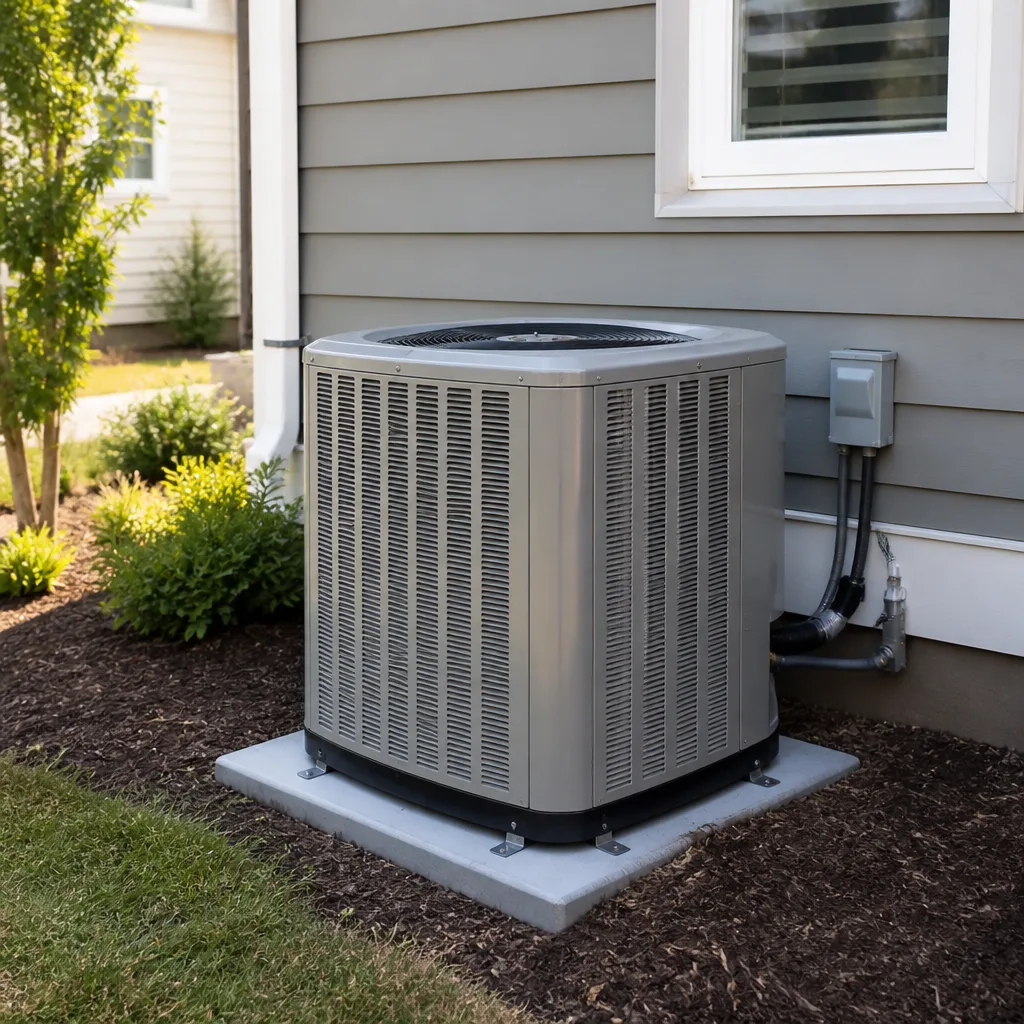 AC repair
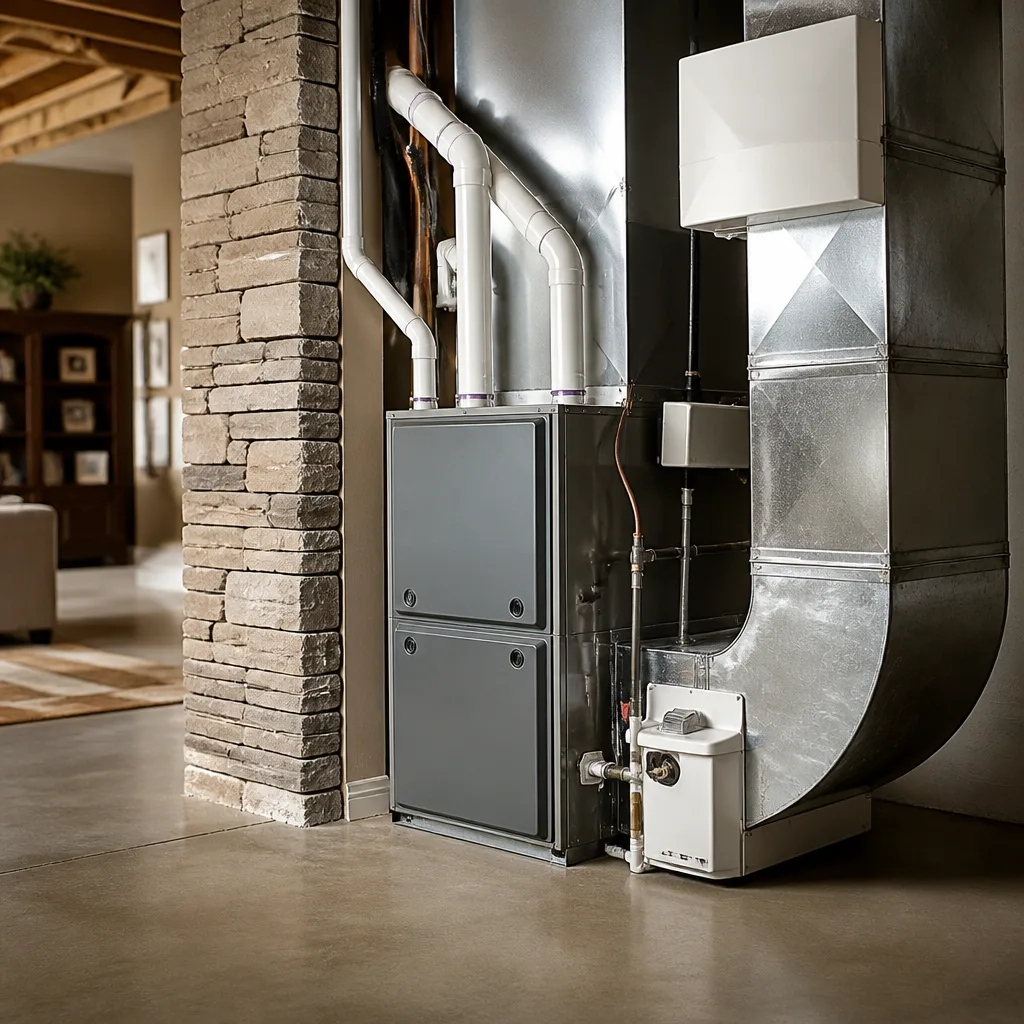 Furnace & heating
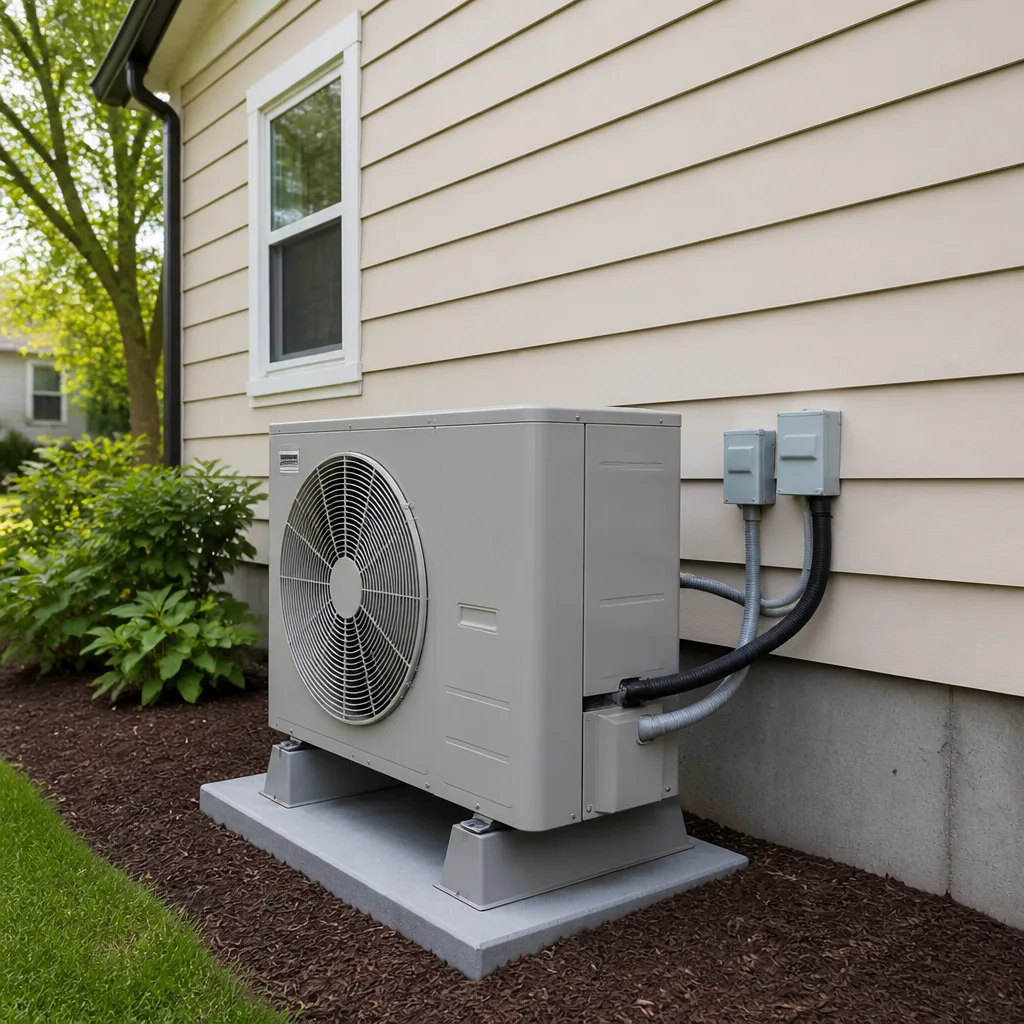 Heat pumps
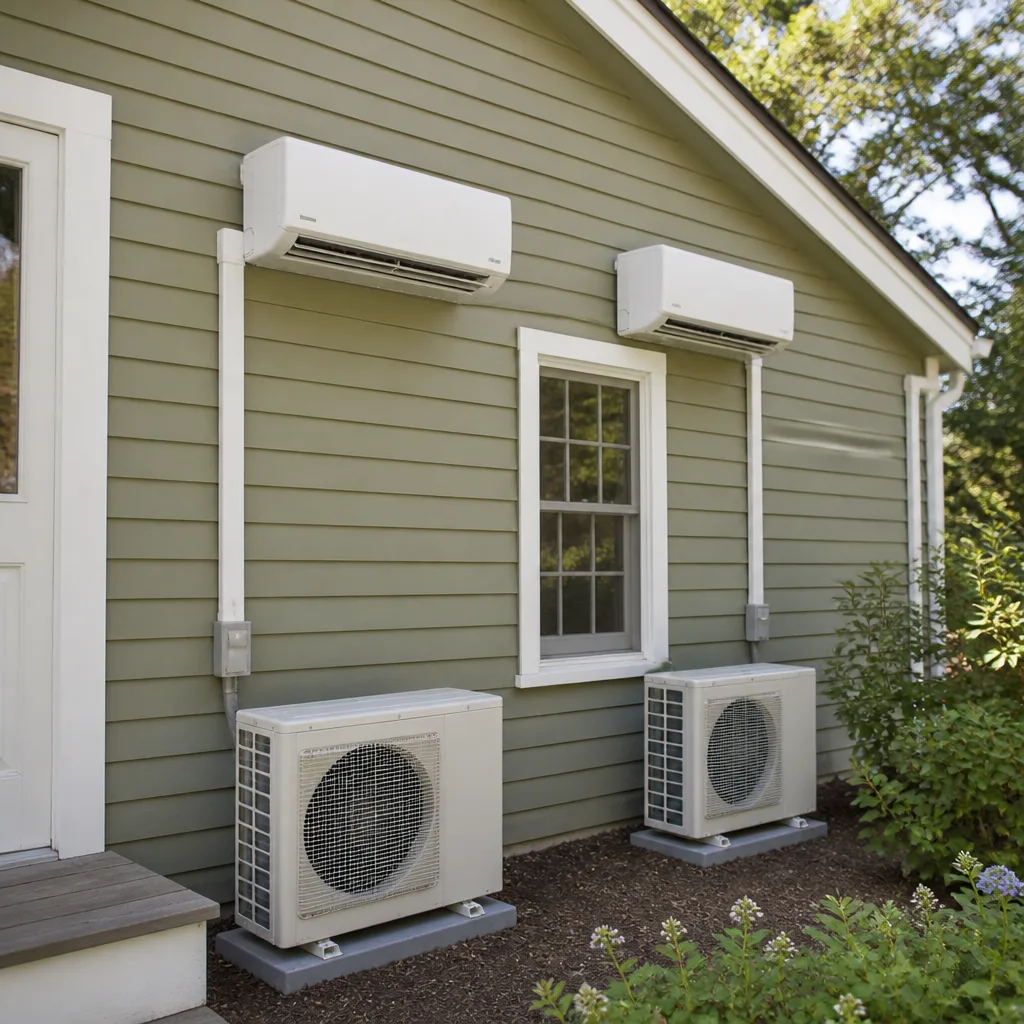 Ductless mini splits
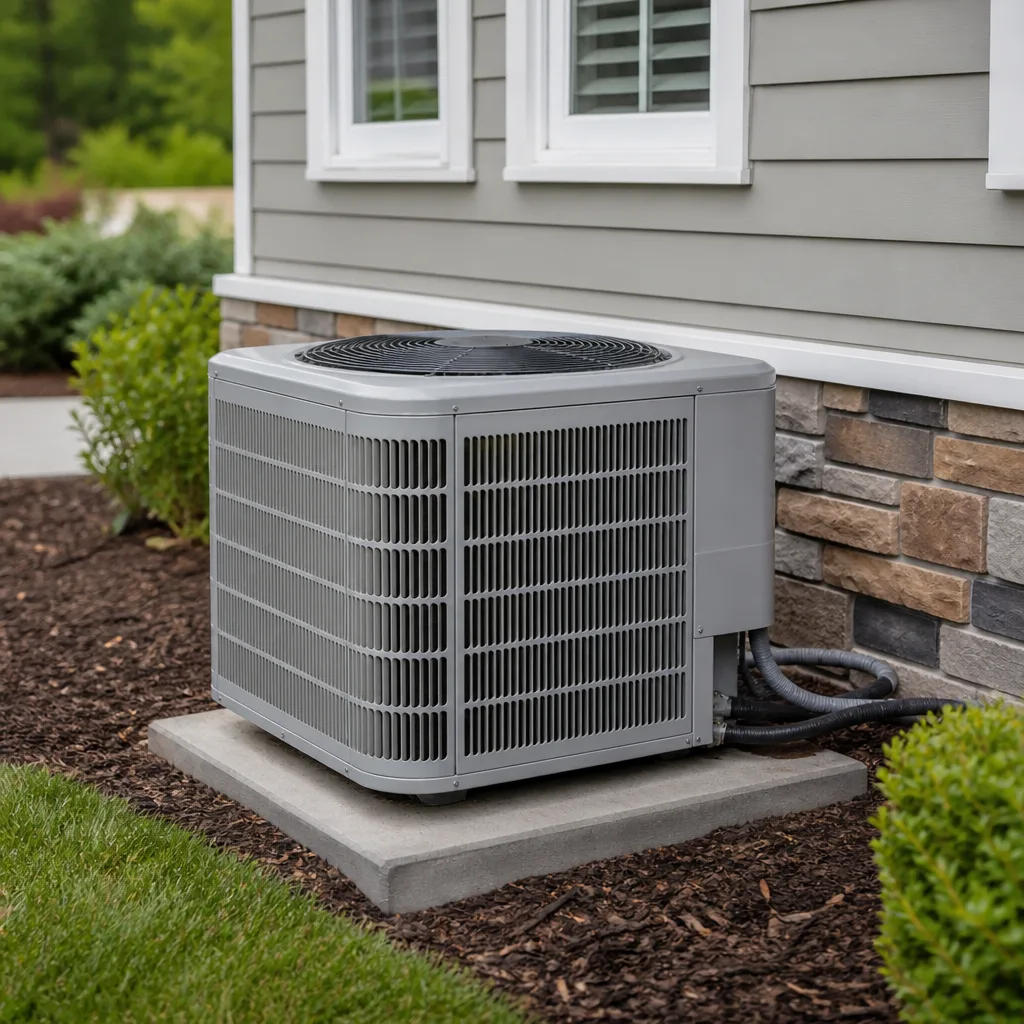 Carrier
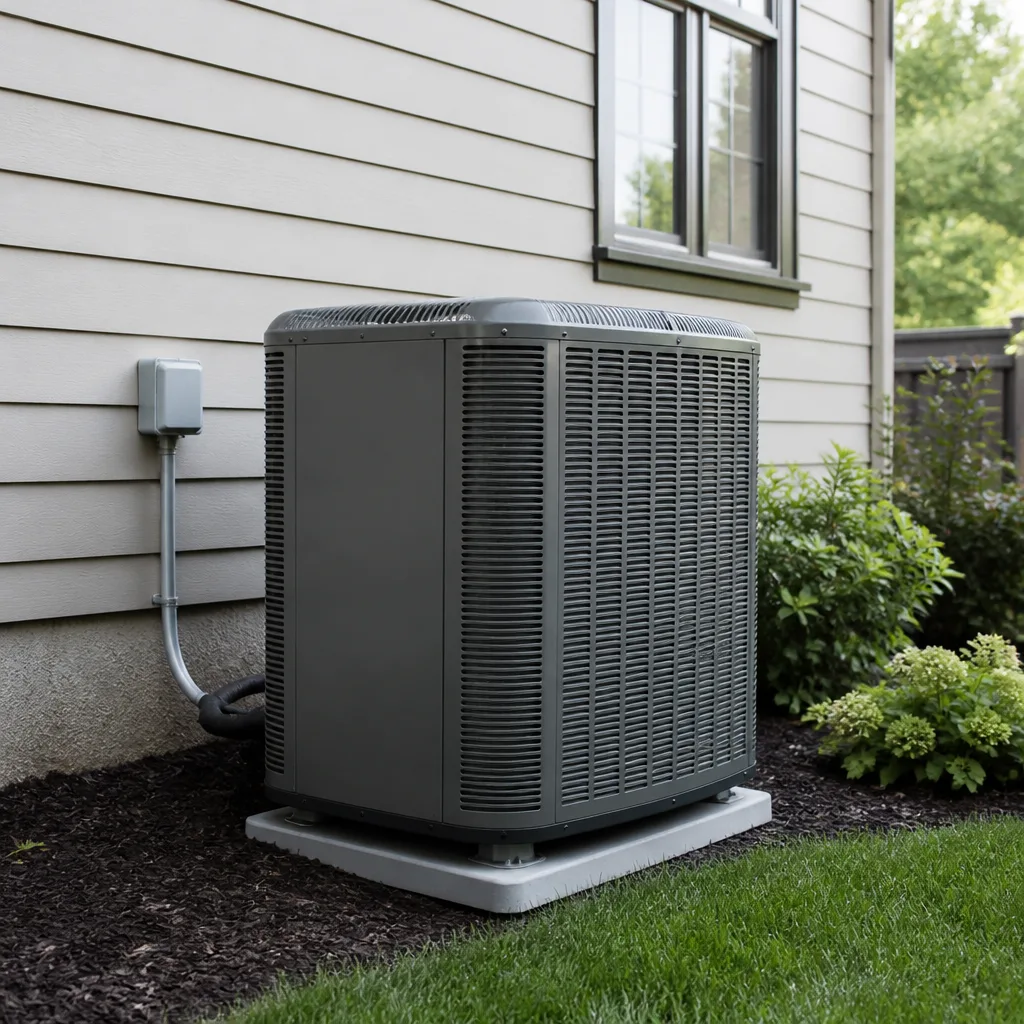 Trane
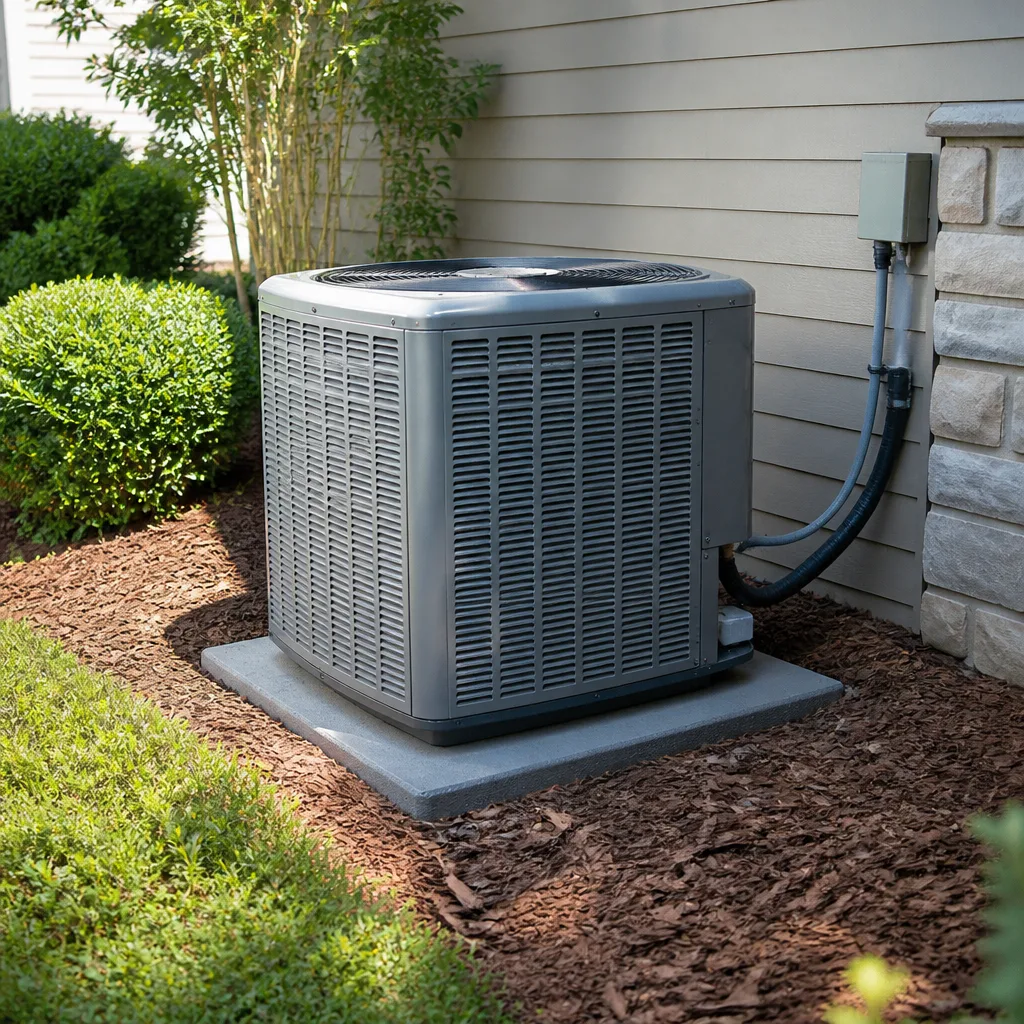 Goodman
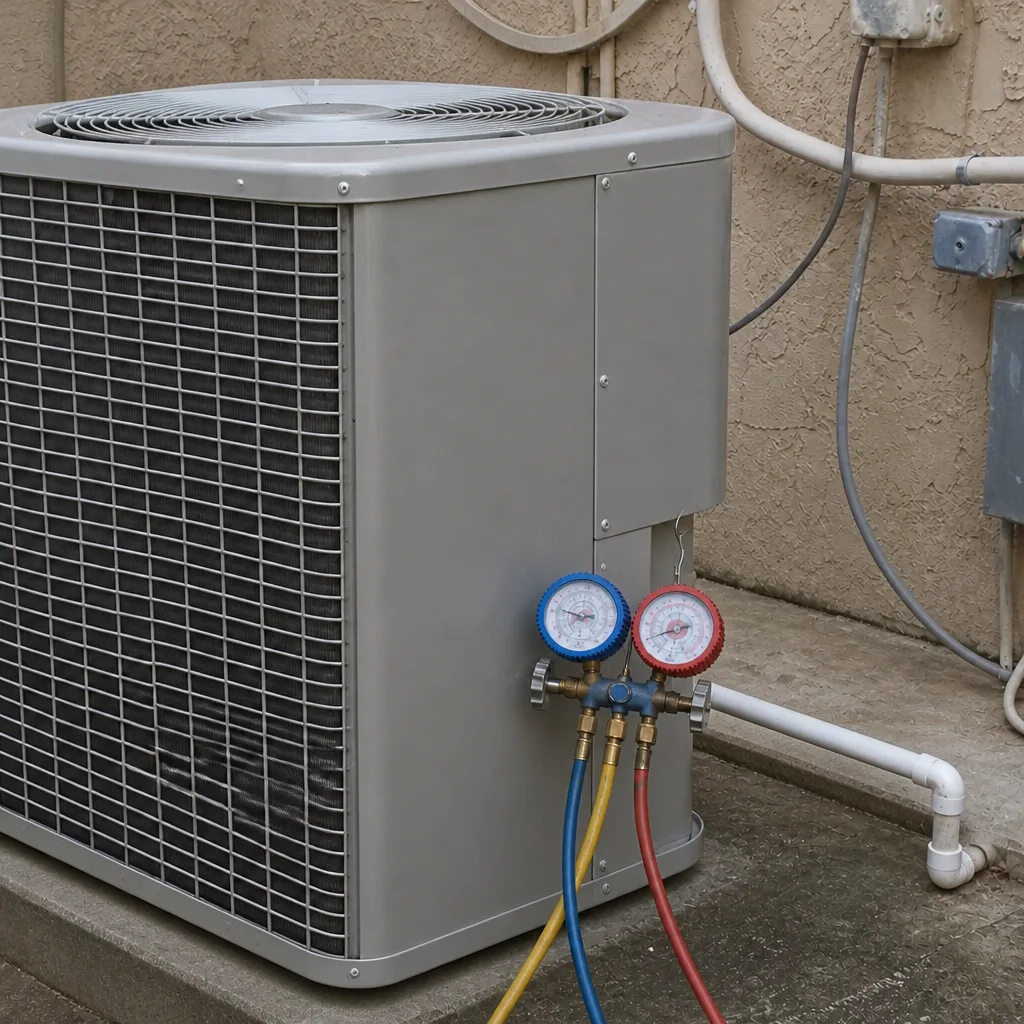
Seasonal tune-up and full diagnostic on your Carrier, Trane, or Goodman system - readings shown to you before any repair is proposed
Diagnosis first, numbers second - you approve the repair price before a single part goes in.
Get your free estimateSeasonal HVAC Care for Miramar: Year-Round Homeowner’s Guide
Most homeowners here follow a care calendar borrowed from somewhere else. They tune the AC in spring because that’s what the internet says, and they ignore it from November to February because nothing feels urgent. That’s backwards for Miramar. Our “mild” months, roughly December through February, are the only stretch when you can open a system up, clean it, and test it without the compressor kicking on before the technician closes the access panel. This guide maps the HVAC year to Miramar’s real climate rhythm: two hard cooling seasons, two short transition windows, and one hurricane season running through the middle of it all. You’ll get a month-by-month task map, a storm protocol, and the case for booking professional service in January.
Quick Answer
In Miramar, the highest-value HVAC maintenance happens in the cool, dry window from December through February, when systems can be inspected and tuned without fighting peak load. Late February is the deadline that matters, because the first real heat of the year arrives in March and April and a neglected system fails under it. The rest of the year is about holding that baseline: filter changes through the wet season, airflow checks before summer, and a storm protocol that runs from June through November.
Styles & brands we work with
- AC repair
- Furnace & heating
- Heat pumps
- Ductless mini splits
- Carrier
- Trane
- Goodman
Table of Contents
- Why Miramar Has Two Hard Seasons, Not Four Mild Ones
- A Month-by-Month HVAC Map for Miramar
- Why Late February Beats Any Emergency Call in July
- Using the Dry Season for Ductwork, Insulation, and Airflow
- The Case for Booking Maintenance in January, Not April
- Hurricane Season HVAC Protocol: Before, During, and After
- Filters, Humidity, and the Wet-Season Routine
- Repair or Replace? Reading Your System’s Signals
Why Miramar Has Two Hard Seasons, Not Four Mild Ones
An HVAC system in Miramar doesn’t run a gentle seasonal curve. It runs two long, heavy stretches with a short breather on either side. The first cooling season builds from March into June, then the wet season pins the system in near-continuous operation through September and into October, because humidity keeps the load up even after the afternoon storms pass. Heat demand is real but brief, usually a handful of cool mornings in December and January. The transition windows are the thing most homeowners waste: a few weeks in late fall and a few more in late winter when the equipment is quiet and accessible.
That rhythm matters because cooling equipment fails in proportion to run hours, not calendar age. A system working through Miramar’s wet season is logging hours at a pace a system in a cooler climate never sees. The wear concentrates on the parts that carry the load: capacitors, contactors, blower motors, and the coils that spend months wet. The spring “tune-up” habit many people keep from colder parts of the country puts a technician on the roof in April or May, right as the load is climbing, when the system is already working and harder to evaluate.
Here’s the practical reframe:
- December through February: the diagnostic window. Low load means the system can be inspected under near-idle conditions and faults show up clearly.
- March through June: the first climb. Filter discipline and airflow checks matter more than anything else now.
- July through October: the long haul. This is where an unprepared system fails and where the wet season pushes humidity into the house if airflow or drainage is off.
- November: the reset. Debris clearing, drain line attention, and a look at the heating side before the few cool weeks arrive.
None of this is exotic. It’s just sequenced to what actually happens in Miramar, and that sequencing is the whole point of a local guide.
A Month-by-Month HVAC Map for Miramar
Here’s the calendar we walk homeowners through. Not every line applies to every house, but the shape of it covers the year without leaving a gap.
- January: professional inspection and tune-up. The system is quiet, a technician can read the charge and clean the coils without the compressor cycling, and lead times are short. This is the month to book.
- February: the last chance before heat. Confirm the inspection is done, replace the filter, clear debris from around the outdoor unit, and check that the condensate drain is flowing.
- March: the climb begins. Watch for longer run times and any new noise. Set a filter reminder on a fixed schedule rather than waiting for a symptom.
- April and May: airflow month. Confirm vents are open and unobstructed, that furniture isn’t blocking returns, and that the outdoor unit has clearance for airflow.
- June: storm readiness. Secure the outdoor unit area, know how to shut the system down before a storm, and check that the drain pan is clear.
- July and August: peak load. Filter changes on the tightest schedule of the year. Note any room that stops cooling evenly; that’s a load or airflow signal, not bad luck.
- September and October: the tail of the wet season. Watch for musty smells and standing water near the air handler. Both point to drainage or humidity control problems.
- November: the reset. Clear the outdoor unit of debris, have the drain line checked, and turn attention to the heating side before the cool weeks.
- December: the cool window opens. This is when the deepest inspection of the year can happen comfortably.
Print it, put it on the fridge, and treat January and February as the anchor points. Everything else is maintenance between those two.
Why Late February Beats Any Emergency Call in July
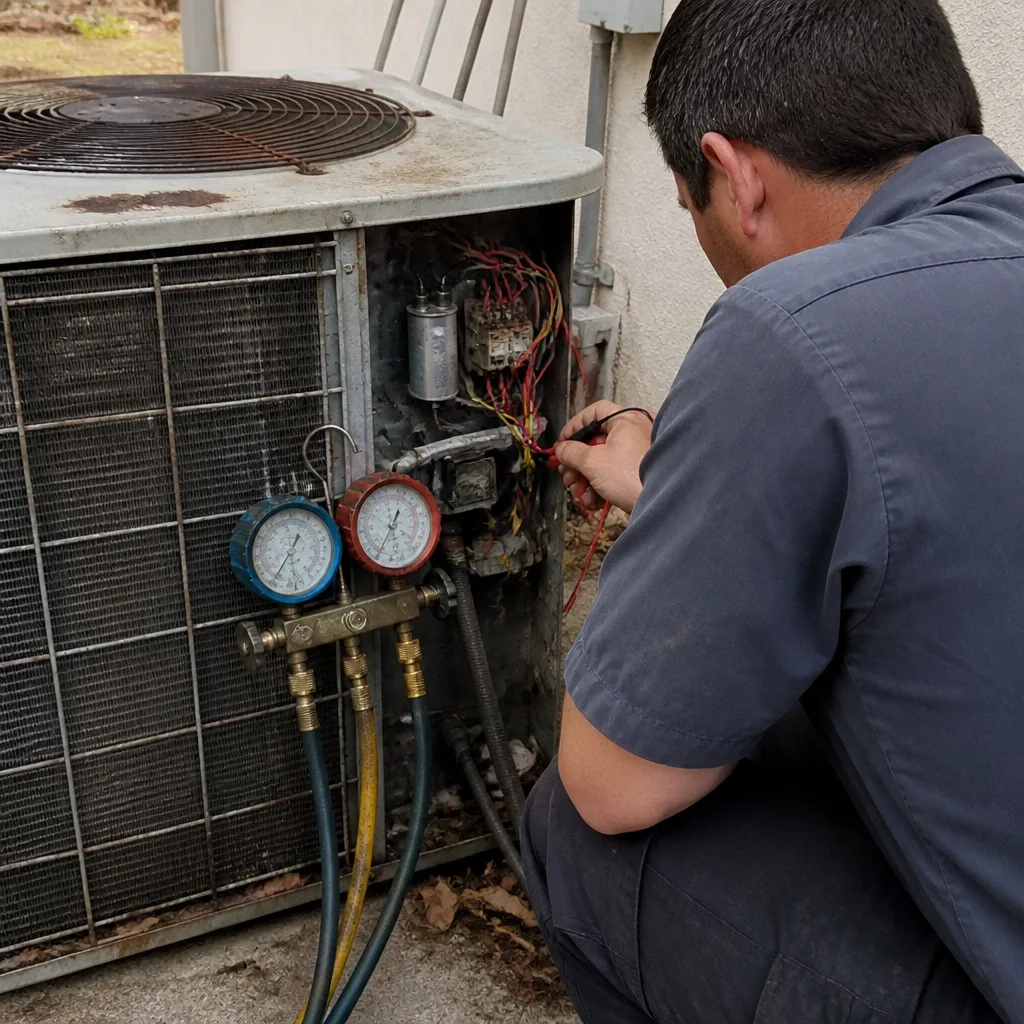
By late February, a Miramar system has been mostly quiet for weeks. That quiet is worth money. A technician can measure refrigerant charge accurately, clean coils that aren’t baking in the sun, and test controls without the compressor running the whole time. Faults that would be hidden under load show up plainly. A weak capacitor, a dirty coil, or a drain line starting to clog all present clearly when the system isn’t fighting July heat.
The contrast is a breakdown in July. The system is under peak load, the house is hot, and every decision gets made fast. Repairs get squeezed in, parts get ordered, and the homeowner takes whatever slot is open. The work is the same, but the diagnosis is harder and the timing is worse. Pre-season service in late February is fundamentally about moving decisions out of that pressure.
What a late-February professional visit actually involves:
- Measuring refrigerant charge and checking for leaks
- Cleaning the condenser and evaporator coils
- Testing capacitors, contactors, and the blower motor
- Flushing and checking the condensate drain line and pan
- Verifying thermostat calibration and control response
- Checking electrical connections and tightening terminals
- Reviewing filter condition and airflow across the coil
- Confirming the heating side is ready for the few cool weeks
If your equipment is a Goodman or Rheem system, the flow is the same; brand doesn’t change the logic of pre-season prep. What changes is which parts a technician expects to wear and which they’ll have on hand. We work on the nine brands most often installed in South Florida homes, so a late-February visit rarely ends with “we’ll have to come back for that part.”
Using the Dry Season for Ductwork, Insulation, and Airflow
Airflow problems hide in plain sight during peak summer load. A duct run that’s slightly undersized, a return that’s starved, or insulation that’s compressed will still cool the house in July, just less evenly and at higher cost. In the cool, dry months, those same problems are easy to find because the system isn’t running hard enough to mask them. This is the window to look at the parts of a system that are invisible in summer.
What to check during the dry window:
- Duct condition: disconnected joints, crushed flex runs, and sagging insulation all show up more clearly when the system is quiet.
- Return airflow: a return that’s too small or blocked by furniture forces the blower to work harder and pulls in unconditioned air.
- Insulation in the attic: heat gain through a poorly insulated attic is a load problem, and it’s far easier to fix before the wet season locks in.
- Air handler closet sealing: gaps around the air handler pull humid attic air into the return. In Miramar that’s a mold pathway, not just an efficiency loss.
- Room-by-room temperature balance: rooms that run warm in summer are often airflow problems that can be diagnosed in winter.
None of this requires tearing the house apart. Most of it is inspection and sealing, and the point is the timing. Fix airflow in January or February and the payoff shows up in July, when the system is running long hours and every bit of restriction costs real money. Put the same work off until summer and you’re asking a technician to diagnose a system under load, when the symptoms are louder but the causes are harder to isolate.
If the dry-season inspection turns up equipment that’s past its useful life, that’s also the right time to talk about AC installation. Replacement scheduled in the quiet months means the new system is running before the heat arrives, not after it has already failed.
The Case for Booking Maintenance in January, Not April
January is the month homeowners forget about their HVAC system, which is exactly why it’s the best month to book service in Miramar. The system is quiet, technicians have time, and the visit isn’t competing with the April wave of people who suddenly remember summer is coming. Scheduling in January means the inspection is done, any parts are ordered, and any repair is completed weeks before the first real heat of the year.
Three practical reasons January wins:
- Availability. Fewer homeowners call in January. A technician can spend the time a proper inspection takes instead of racing to the next emergency.
- Diagnostic clarity. The system is under low load, so measurements are clean and faults show up plainly. An April visit happens right as the load is climbing.
- Lead time on parts and equipment. If the inspection reveals a part or a whole system needs replacing, January gives you weeks to plan. In April you’re racing the calendar.
The pricing structure doesn’t change with the season. Estimates are free, the price is set per job by a written estimate, and you know the number before anyone starts. What changes is the pace. In January the conversation is calm and you can weigh repair against replacement without a hot house pushing the decision. In July the same conversation happens with the thermostat reading 84 and everyone stressed.
One more point on equipment. If a January inspection points toward a new system, a brand-neutral conversation matters. We service Carrier, Trane, Lennox, Goodman, Rheem, York, Daikin, Bryant, and American Standard, and no single manufacturer relationship steers the recommendation. Whether you’re comparing a Daikin system against a York quote or thinking about a Goodman replacement, the advice is based on what fits the house and the budget, not on inventory pressure. That’s the same standard whether you’re on the phone in January or July.
Hurricane Season HVAC Protocol: Before, During, and After
Hurricane season runs June through November in Miramar, and the HVAC system is one of the pieces homeowners most often forget until after the storm. The goal of a protocol is to prevent two separate problems: physical damage to the outdoor unit, and mold colonization inside the system when power and airflow are interrupted for days. Both are preventable with a little planning.
Before a storm
- Turn the system off at the thermostat before the storm arrives, so it doesn’t restart into a dirty or flooded outdoor unit when power comes back.
- Clear loose debris, patio furniture, and planters away from the outdoor unit so they don’t become projectiles.
- Check that the condensate drain is clear; a full drain pan during a power outage is a water problem waiting for the lights to come back.
- Note the equipment model numbers before the storm. If a unit is damaged, having that information ready makes replacement faster.
During the storm
Keep the system off. If the power is out, leave the thermostat in the off position so the system doesn’t start immediately when power returns. If the outdoor unit is exposed to wind-driven water, don’t restart it until it’s been inspected.
After the storm
- Inspect the outdoor unit for visible damage before turning it back on.
- Check the air handler and drain pan for water intrusion.
- Look for musty odors in the supply air. That’s the mold signal, and it means the system needs cleaning before it runs for long.
- Run the system on fan-only for a short period to dry the coil area if the house has been humid for days without cooling.
- Schedule a professional inspection if there’s any sign of water in the system or the outdoor unit took impact.
The mold piece is the one most people underestimate. When a Miramar home sits without cooling for several days in the middle of the wet season, the indoor humidity climbs and the coil, drain pan, and ducts stay wet. Restarting a wet system pushes that air through the house. A cleaning and airflow check after a long outage is cheap insurance compared with remediation.
If a storm damages your equipment, we can work with your insurer on the repair or replacement, and a furnace repair visit is the right call if the heating side took water or impact, since it lives in the same closet as the air handler for most Miramar homes.
Filters, Humidity, and the Wet-Season Routine
Filters are the simplest part of HVAC care and the one most homeowners get wrong in Miramar, not because they ignore them but because they use the wrong schedule. In a home that runs its AC nearly year-round, a filter that would last three months in a cooler climate is usually done in one or two. The wet season makes it worse, because the system is pulling more air for longer and the filter loads faster.
A practical filter routine for Miramar:
- Check the filter monthly from May through October and replace it when it’s visibly loaded.
- Use a filter rated for your system’s airflow. A filter that’s too restrictive chokes the system and raises energy use; “higher MERV” isn’t automatically better.
- Keep the return grille clear of furniture, rugs, and curtains.
- In homes with pets or anyone with allergies, shorten the interval rather than guessing.
Humidity is the other half of the wet-season routine. A cooling system that’s working correctly removes moisture as it cools. If the house feels clammy even when the thermostat is satisfied, the system is either oversized, short-cycling, or moving air poorly. All three are diagnosable, and none of them fix themselves. A musty smell near the air handler or a damp drain pan is a signal to get it looked at before it turns into a mold problem.
In our experience, the wet-season calls that turn into expensive ones are the humidity calls that were ignored in June and became mold calls in September. The fix is usually airflow and drainage, not a new system, but it has to be found early.
Repair or Replace? Reading Your System’s Signals
Repair is the right call most of the time. A failed capacitor, a stuck contactor, or a clogged drain line are inexpensive fixes that restore full function. Replacement becomes the better answer when the signals cluster: repeated repairs, rising energy use, uneven cooling that no amount of airflow adjustment fixes, or a system that’s already had major components replaced. The decision isn’t about age alone, because a Miramar system logging heavy run hours can reach the end of its useful life faster than its calendar age suggests.
What to weigh:
- Frequency of repair: several repairs in a year or two points toward replacement.
- Refrigerant type: older refrigerants are increasingly expensive to service, which shifts the math toward a new system.
- Comfort complaints: hot rooms, clammy air, or constant run times are signals the system isn’t matched to the house.
- Planned vs. emergency: a replacement planned in the dry season is a different experience than one forced by a July failure.
When replacement is the answer, a brand-neutral recommendation matters. We service nine major brands, so the conversation is about what fits the house and the budget rather than what happens to be on a truck. The work itself is load-calculated, ordered, and scheduled, so there’s no same-day promise; what you get instead is a written fixed price, a set install date, and the rebate and financing paperwork handled. That’s the difference between a replacement planned in January and one squeezed into July.
Common Mistakes to Avoid
- Following a spring tune-up calendar. April is too late in Miramar; the system is already climbing into load and the quiet diagnostic window has closed. Book in January instead.
- Skipping the dry-season window. December through February is when ductwork, insulation, and airflow problems are easiest to find. Waiting until summer makes them harder and more expensive to diagnose.
- Restarting the system immediately after a storm. A wet outdoor unit or a water-filled drain pan needs inspection first. Restarting into damage turns a repair into a replacement.
- Using the wrong filter. A filter rated too high for your system’s airflow chokes it and raises energy use. Match the filter to the system, not to the marketing on the box.
- Ignoring a musty smell. In Miramar’s wet season, a musty smell is a humidity and drainage signal. Waiting turns it into a mold problem.
- Choosing a contractor by brand instead of by fit. A single-brand dealer will steer you toward their lineup. A brand-neutral technician matches equipment to the house.
- Treating the heating side as an afterthought. The few cool weeks in December and January are exactly when a furnace problem shows up. Have it checked in the fall, not during a cold snap.
See the difference
 Before
 After
 Before
 After
 Before
 After
When to Call a Professional
Some things a homeowner can handle: filter changes, clearing debris around the outdoor unit, keeping returns unobstructed. Others need a technician. Call when the system won’t cool, when it runs constantly without satisfying the thermostat, when there’s water around the air handler or a musty smell in the supply air, when the outdoor unit is making new noises, or when a storm has left the system wet or damaged. Call before the wet season if the system is more than a few years old and hasn’t been inspected, and call in January if you want the calm, unhurried version of maintenance rather than the July scramble. If your equipment is a York, Daikin, or any of the other major brands, the answer is the same: we work on it. Steadfast AC Repair offers free estimates in Miramar. Call (855) 627-2574. We answer 24/7. Fast dispatch from 7am to 7pm, Sunday through Friday.
Steadfast AC Repair is an HVAC specialist serving Miramar homeowners with AC installation, furnace repair, and furnace replacement. We service nine major brands, so the answer to “do you work on my unit?” is almost always yes. You can read more about the company at Steadfast AC Repair.
Frequently Asked Questions
January is the best month, with late February as the deadline. The system is quiet, a technician can inspect it under low load, and there’s time to order parts and complete repairs before the first real heat of the year. April is the worst time, because the system is already climbing into load and the diagnostic window has closed.
Check the filter monthly from May through October and replace it when it’s visibly loaded. Because the system runs nearly year-round here, a filter that would last three months in a cooler climate is usually done in one or two. Homes with pets or allergy sufferers should shorten the interval further.
Turn the system off at the thermostat, clear debris and loose objects from around the outdoor unit, check that the condensate drain is clear, and note your equipment model numbers. Keep the system off during the storm and don’t restart it until the outdoor unit and air handler have been inspected after the storm passes.
Clammy air usually means the system isn’t removing enough moisture, which points to an oversized unit, short-cycling, or poor airflow. In Miramar’s wet season, those problems show up as a musty smell or a damp drain pan. It’s a diagnosable issue, not something to wait out.
Yes. We service Carrier, Trane, Lennox, Goodman, Rheem, York, Daikin, Bryant, and American Standard. Brand doesn’t limit the service; a brand-neutral approach means the diagnosis is based on the equipment and the house, not on a manufacturer relationship.
Repair is the right call most of the time; a failed capacitor or clogged drain line is an inexpensive fix. Replacement makes more sense when repairs are stacking up, energy use is rising, or comfort problems persist after airflow fixes. The best time to weigh that decision is the dry season, when there’s no July heat pushing it.
The Bottom Line
Miramar’s HVAC calendar isn’t four mild seasons; it’s two hard cooling stretches separated by short, valuable transition windows. The whole guide comes down to a few moves. Book professional maintenance in January, not April. Use the dry months from December through February to inspect, clean, and address airflow before the heat arrives. Keep filter discipline through the wet season. Have a storm protocol ready from June through November, and don’t restart a wet system until it’s been checked. And when a repair-versus-replace decision comes up, make it in the quiet months with a brand-neutral technician. Call (855) 627-2574 for a free estimate. We answer 24/7. Fast dispatch from 7am to 7pm, Sunday through Friday.
Written by the team at Steadfast AC Repair.