
Last updated November 16, 2026
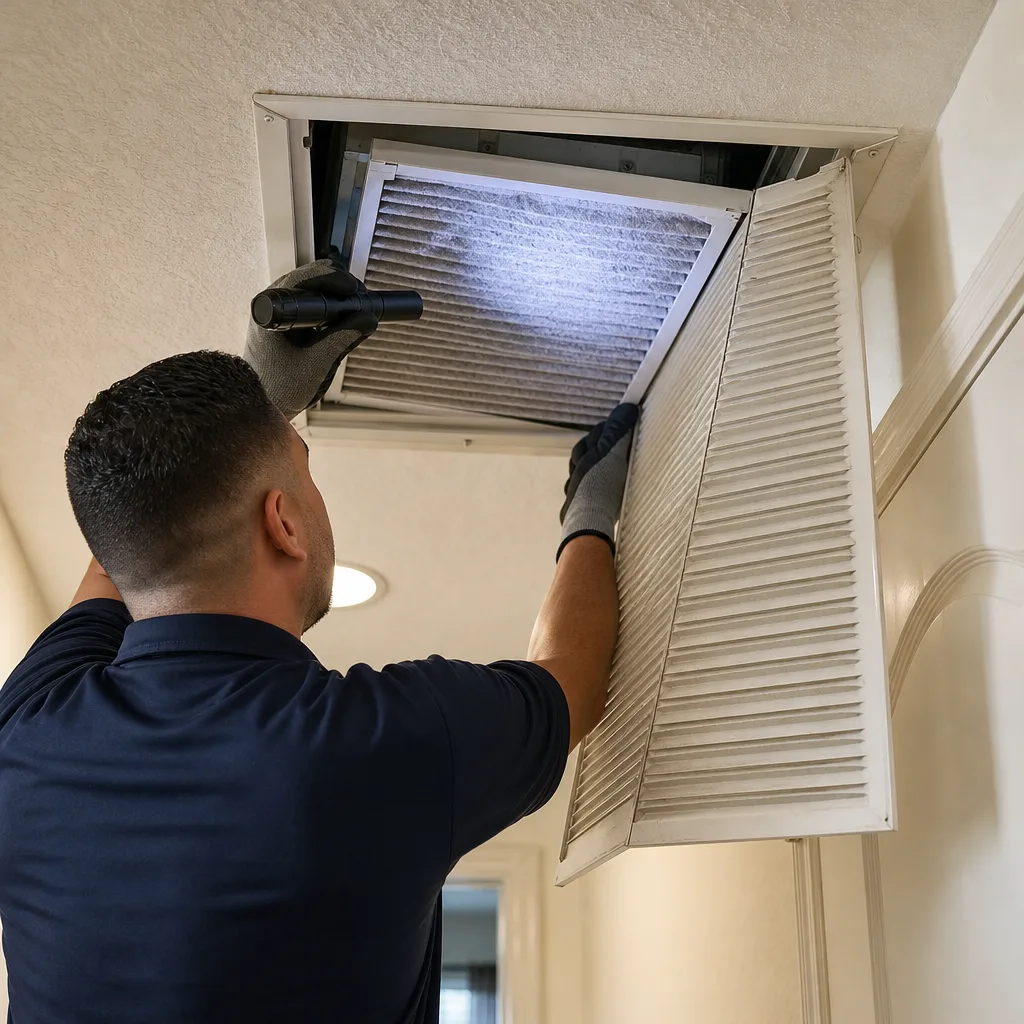
 AC repair
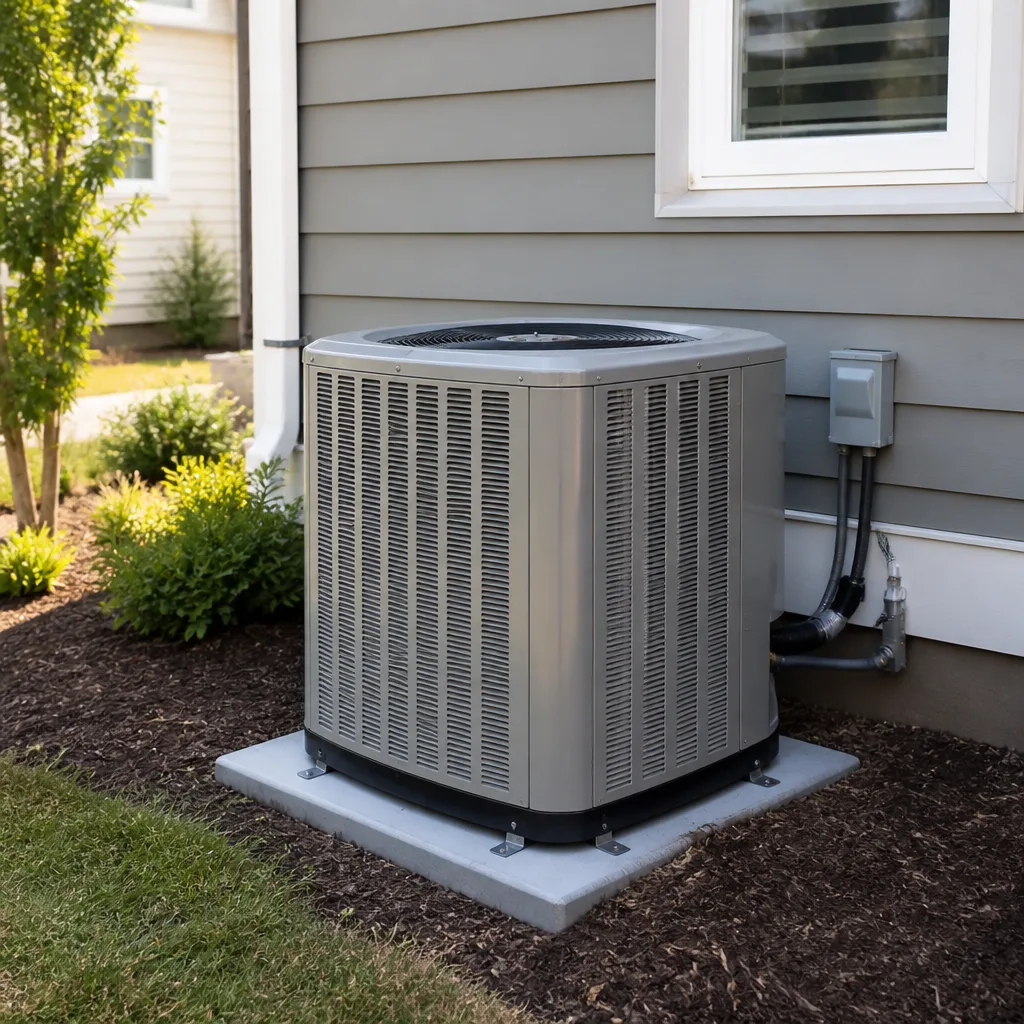
 Furnace & heating
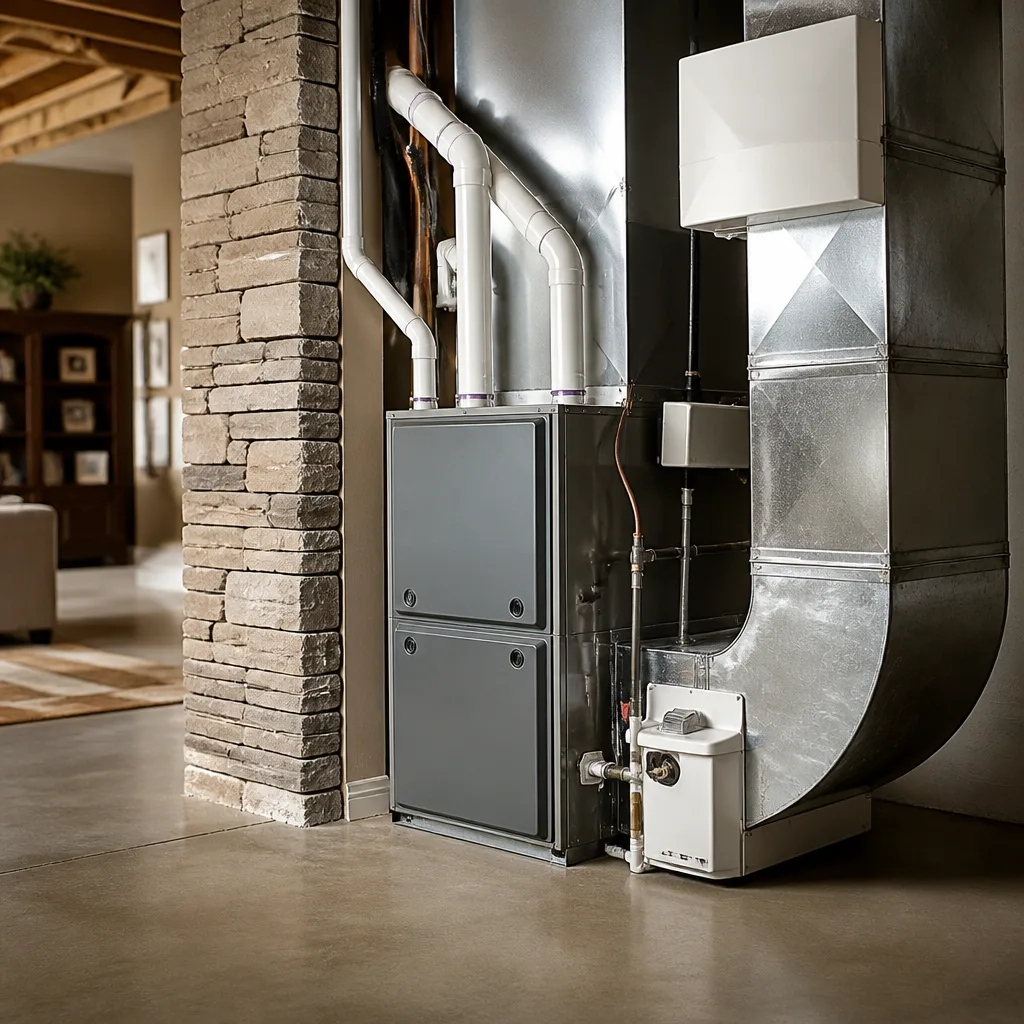
 Heat pumps
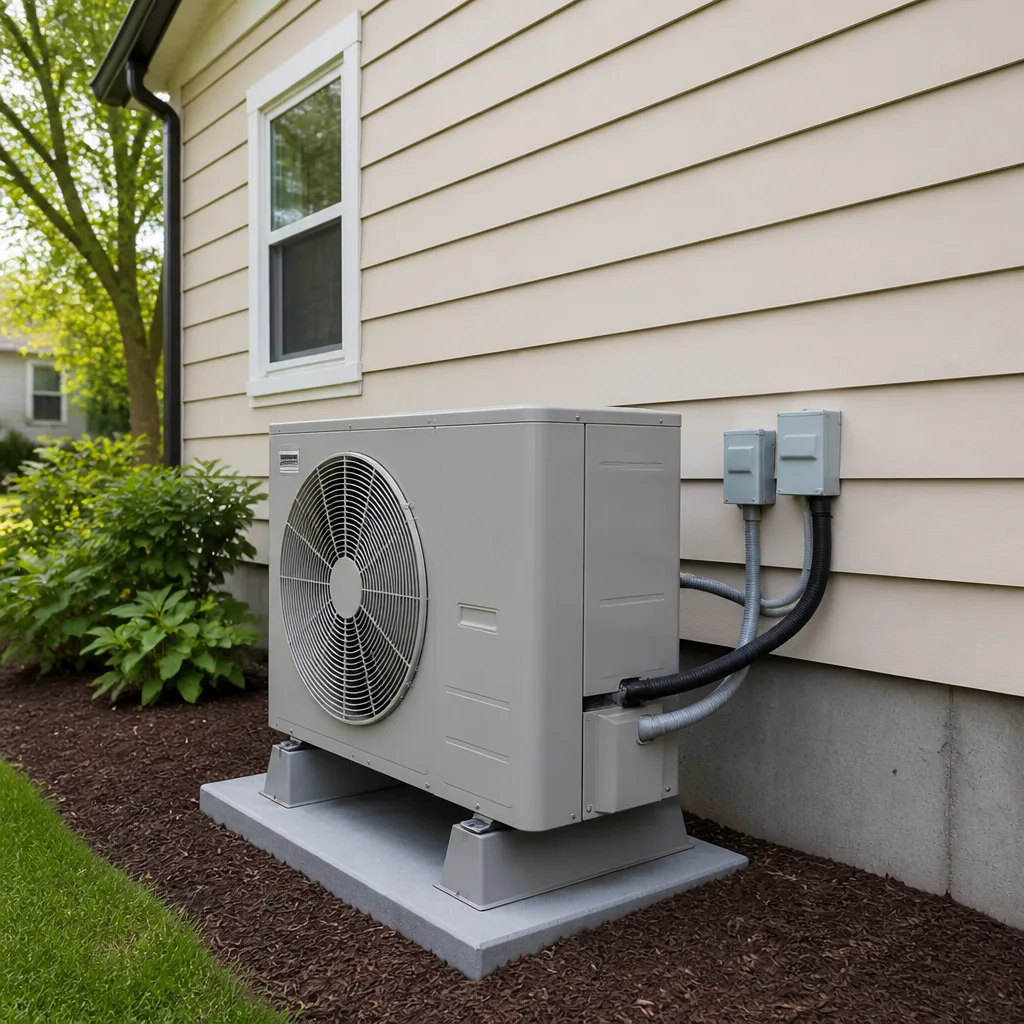
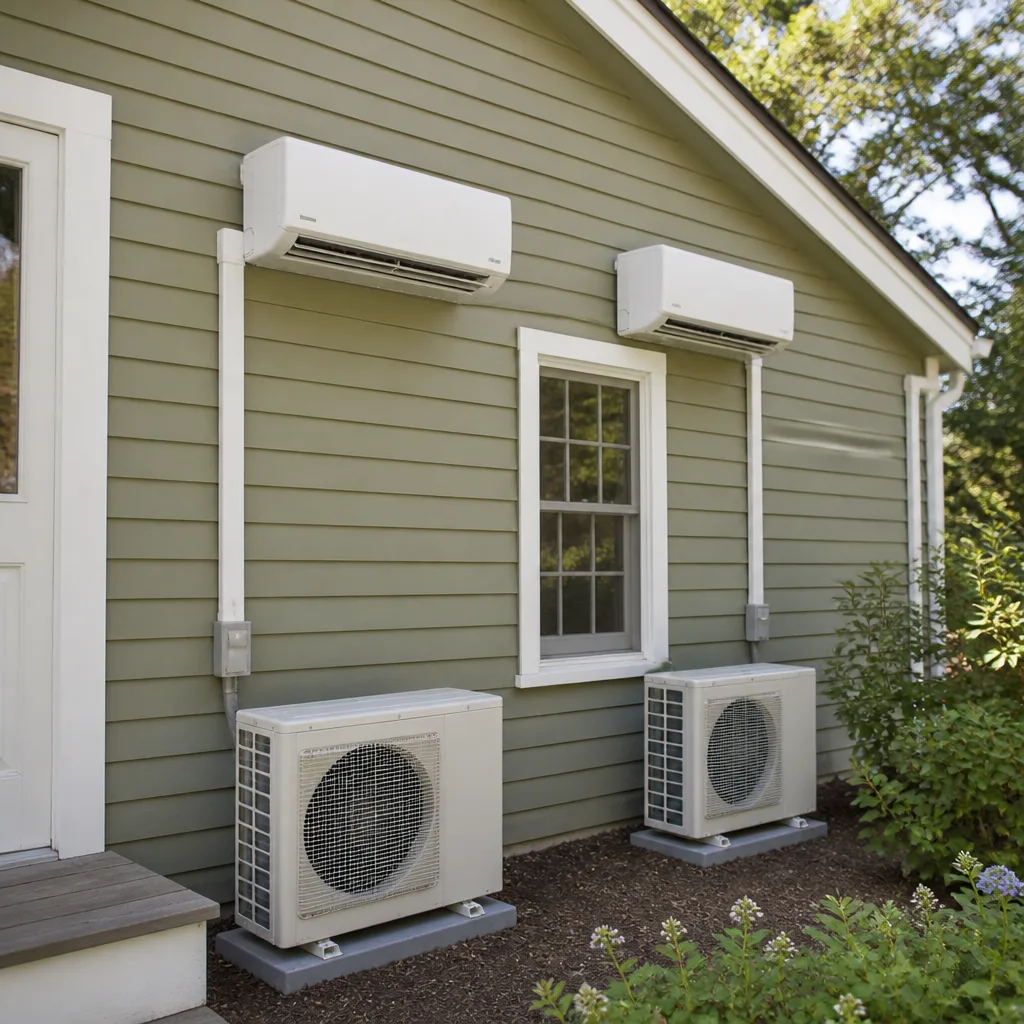 Ductless mini splits
 Carrier
 Trane
 Goodman
Seasonal tune-up and full diagnostic on your Carrier, Trane, or Goodman system - readings shown to you before any repair is proposed
Diagnosis first, numbers second - you approve the repair price before a single part goes in.
Get your free estimateChoosing the Right HVAC Brand: A Buyer’s Guide for Miramar
The most-advertised HVAC brand in Florida and the least-advertised brand in the same efficiency tier often share the same compressor manufacturer. What separates them is not the badge on the cabinet. It’s the coil alloy, the galvanization rating on the steel, and the network of dealers standing behind the warranty. Anyone shopping for a new system in Miramar will hear a lot about brand reputation and very little about those three things. This guide fixes that. We’ll walk through the specifications that actually predict how long a unit survives here, explain how to read efficiency ratings against our climate zone honestly, and show you what a contractor’s recommendation should look like when it starts from your home rather than their distribution agreement. By the end you’ll know how to compare brands on the terms that matter.
Quick Answer
The “best” HVAC brand in Miramar is the one whose coil coating, cabinet construction, and warranty terms hold up in Climate Zone 1A – not the one with the biggest ad budget. In practice, installation quality and correct sizing matter more than the logo, and the brands that last longest here are the ones with broad local dealer networks so parts arrive fast. Compare three or four brands in the same efficiency tier on those specifications, and let the home’s load calculation, not the showroom, decide.
Styles & brands we work with
- AC repair
- Furnace & heating
- Heat pumps
- Ductless mini splits
- Carrier
- Trane
- Goodman
Table of Contents
- The Three Specifications That Predict Longevity in Miramar
- Why Dealer Network Density Beats Brand Prestige
- How to Compare SEER2 Ratings Honestly in Climate Zone 1A
- The Single-Brand Dealer Conflict of Interest
- What Brand-Agnostic Specification Looks Like in Practice
- Entry, Mid, and Premium Tiers: Where the Money Actually Goes
- The Questions to Ask Before You Sign
- Common Mistakes to Avoid
- When to Call a Professional
- Frequently Asked Questions
The Three Specifications That Predict Longevity in Miramar
Miramar runs its air conditioners hard. The system here doesn’t get a seasonal break the way it does in colder states – it cycles through long cooling hours for most of the year, and that constant runtime is what wears equipment out. Three specifications tell you far more about how a unit will age in that environment than the brand name on the front.
1. Coil Alloy and Coating
The evaporator and condenser coils are where heat exchange happens, and they’re the first component to fail under sustained humidity and runtime. Standard copper-aluminum coils are common and serviceable. Coils with a factory-applied coating or an all-aluminum microchannel design tend to resist the formicary corrosion that shows up in hot, humid climates. Ask your contractor specifically what alloy and coating the coil uses – not just “it’s a good coil.”
2. Cabinet Galvanization Rating
The outdoor unit lives in the sun, rain, and humidity of South Florida year-round. A cabinet built from heavier-gauge, fully galvanized steel with a powder-coat finish resists rust far better than a lighter painted cabinet. This is one of the least-marketed specs and one of the most consequential. A unit with a thin cabinet can develop rust-through at the fasteners and seams before the compressor ever fails.
3. Compressor Warranty Terms
Almost every manufacturer offers a compressor warranty, but the terms differ: some are 5 years, some 10, and some are limited to the original owner. Read the fine print. A 10-year limited warranty on the compressor and coil is worth more than a name-brand badge with a 5-year term. Warranty length also tells you something about how confident the manufacturer is in its own build.
None of these three specs are printed on the marketing sheet. You have to ask. A contractor who can answer them from memory for the brands they carry is one who understands the equipment. A contractor who can’t name the coil coating is one who is selling on logo.
Why Dealer Network Density Beats Brand Prestige
Here’s a fact that surprises a lot of buyers: a premium brand with one local dealer can leave you waiting longer for a part than a mid-tier brand with broad distribution across Broward County. When your system fails in July, what matters isn’t the reputation of the manufacturer – it’s whether the part is on a shelf within driving distance.
Dealer network density is the single most underrated factor in brand selection. It works like this:
- Parts availability: A brand with many service dealers in the region has more distributors stocking its components. A scarce brand means longer waits for a compressor, coil, or control board.
- Service options: If only one company in the area services your brand, you have no leverage on price or timing. Broad coverage gives you choices.
- Warranty processing: A manufacturer with a deep local dealer base can usually process a warranty claim faster because the paperwork moves through familiar channels.
- Technical support: Distributors with volume tend to have better technical support for the contractors working on the equipment.
In Miramar specifically, the brands you’ll see on the most rooftops and in the most neighborhoods are the ones with strong distribution through South Florida. Goodman and Rheem, for example, are widely installed and widely serviced here, which means parts and labor are rarely a bottleneck. A high-end Lennox or Trane system can be excellent equipment, but it only makes sense if the local dealer network can actually support it. Ask your contractor how quickly they can source a replacement compressor for each brand you’re considering. The answer tells you more than any showroom display.
How to Compare SEER2 Ratings Honestly in Climate Zone 1A
SEER2 is the current efficiency rating standard, and it’s easy to be misled by a single number. A SEER2 rating is calculated against a national baseline, not against Miramar’s actual conditions. To make the rating meaningful, you have to evaluate it against our specific climate zone – Zone 1A, the hot-humid zone that covers most of South Florida.
What Zone 1A Means for Efficiency
Zone 1A is characterized by high cooling load and high humidity. That means your system spends most of its energy on cooling and dehumidification, and relatively little on heating. A high SEER2 number is worth pursuing, but the energy savings per SEER2 point depend heavily on how many hours the system runs – and here, it runs a lot.
How to Compare Honestly
- Compare within the same tier: Don’t compare a 16 SEER2 entry unit to a 20 SEER2 premium unit and assume the premium is better for your home. Compare units of the same tier first.
- Check the EER2 rating: EER2 is a separate efficiency metric that better reflects performance in hot climates. In Zone 1A, EER2 matters as much as SEER2.
- Request a load calculation: The efficiency number is only meaningful after you know how much cooling your home actually needs. A larger, higher-SEER2 unit that’s oversized for the house will cycle poorly and cost more to run.
- Consider dehumidification: In Zone 1A, humidity control is part of comfort. Some systems handle latent (moisture) load better than others. Ask about that.
- Weigh the payback: A higher SEER2 unit costs more upfront. The question is how many years of reduced operating cost it takes to recover that premium in a Miramar home – and whether you plan to stay that long.
A straight answer on efficiency includes the caveats. Anyone who promises a specific dollar savings figure without running a load calculation is guessing.
The Single-Brand Dealer Conflict of Interest
If a contractor installs almost exclusively one manufacturer’s equipment, that relationship creates a structural incentive. It’s not necessarily dishonest – dealers sign agreements for good reasons, including pricing, training, and warranty support. But the incentive is real, and it may not align with your home’s actual load profile.
Here’s how that conflict shows up in practice:
- The recommendation starts from inventory: When the only equipment on the table is one brand, the sizing conversation bends toward what’s available rather than what fits.
- Financing and rebates get skewed: Manufacturer-specific promotions can make one option look cheaper than a comparable unit from another brand, when the underlying equipment is similar.
- Repair advice changes: A single-brand dealer has a reason to favor replacement over repair when the replacement is their brand. A brand-neutral contractor has no such incentive.
This doesn’t mean single-brand dealers are bad. Some are excellent, and manufacturer training programs are genuinely valuable. But when you’re making a purchase decision worth thousands of dollars, you want a contractor who can tell you honestly that Brand A is the right fit and Brand B is not – for your home, not for their distribution agreement. Brand-neutral doesn’t mean indifferent; it means free to match. That’s the position we take at Steadfast AC Repair, because we work across nine major manufacturers and aren’t tied to any one of them.
What Brand-Agnostic Specification Looks Like in Practice
Brand-agnostic specification is easy to claim and harder to demonstrate. Here’s the difference, step by step, between a contractor who starts from the home and one who starts from their distribution agreement.
The Brand-Agnostic Approach
- The home comes first. The contractor measures the house, checks insulation, window area, ceiling height, and ductwork, and runs a load calculation to determine actual cooling and heating needs.
- Specifications get narrowed. From the load calculation, the contractor identifies the capacity band, the efficiency tier that makes financial sense, and the coil and cabinet specs that suit the climate.
- The shortlist emerges. Only now does the contractor look at brands, selecting two or three that fit the specs and have good local dealer support.
- You get a genuine comparison. The recommendation can explain why this brand over that one, with reasoning tied to your home – not to the contractor’s margin.
- Repair and replacement stay honest. Because the contractor services multiple brands, they can recommend a repair when it’s the right call, and a replacement when it isn’t.
The Single-Brand Approach
In the single-brand model, the recommendation typically starts with the available lineup and works backward. The load calculation may happen, but the brand decision is already made. The result can still be a fine system – but you’re not really comparing options. You’re choosing a size within one brand.
In our experience, homeowners in Miramar benefit most from the brand-agnostic approach because the equipment here has to work hard. A unit that fits the house and the climate fits better than a unit that fits the dealer’s agreement. Whether you need AC installation now or are planning ahead, ask your contractor how they model the recommendation. Their answer will tell you which approach you’re dealing with.
Entry, Mid, and Premium Tiers: Where the Money Actually Goes
The HVAC market is usually divided into entry, mid-tier, and premium brands, and the pricing tiers roughly follow. But where does the extra money in a premium brand actually go? Understanding that distribution helps you decide whether the premium is worth paying in Miramar’s climate.
- Entry tier: Basic coil construction, standard cabinet galvanization, shorter compressor warranty (often 5 years). Brands like Goodman occupy this space and are widely installed across South Florida. Equipment is serviceable and parts are plentiful.
- Mid-tier: Better cabinet construction, sometimes a coated coil option, longer warranty (often 10 years on compressor and coil). Rheem and York are common mid-tier choices with broad local distribution.
- Premium tier: Heavy-gauge galvanized cabinets, advanced coil coatings, longer warranties, more sophisticated controls, and sometimes quieter operation. Lennox is frequently cited here. The equipment is genuinely better built, but the price premium is also larger.
Here’s the honest math: in a hot-humid climate like Miramar’s, the mid-tier often hits the sweet spot. You get the cabinet and coil improvements that matter for humidity resistance and a solid warranty, without paying for premium marketing. That said, the entry tier can be right if the budget is tight and the home is well insulated and shaded. And premium can be justified if you’re planning to stay in the home for the full lifespan of the unit.
What matters most is matching the tier to the load calculation. A correctly sized mid-tier unit outlasts an oversized premium unit almost every time, because the oversized unit short-cycles and never reaches stable operation. For owners planning a full system replacement, the same logic applies to the heating side – and if you’re replacing a furnace rather than an AC, the sizing principles are the same.
The Questions to Ask Before You Sign
Brand selection is a decision you make with information. These questions separate a contractor who understands the equipment from one who is selling a logo.
- Can you show me the load calculation? A professional contractor will run one and share the result. If they can’t explain how they sized the system, walk away.
- What coil alloy and coating does this unit use? The right answer names a specific alloy and coating, not a vague adjective.
- What’s the compressor warranty – and is it limited to the original owner? Read the fine print. A 10-year warranty that doesn’t transfer is worth less on a resale.
- How quickly can you source parts for this brand locally? A direct answer here tells you about dealer network density.
- Are you recommending this brand because it fits my home, or because it’s what you carry? The honest contractor will say both – but they’ll explain which comes first.
- What efficiency tier makes sense for my home and budget? The answer should reference your load calculation and your plan to stay in the home.
Any contractor who hesitates on the load calculation question or the coil spec question is giving you information about their qualifications. Take note. Our technicians have up to 12 years of experience across the brands we service – Carrier, Trane, Lennox, Goodman, Rheem, York, Daikin, Bryant, and American Standard – so we can answer these questions for each brand honestly.
Common Mistakes to Avoid
- Choosing by brand name alone. The brand on the cabinet tells you less than the coil coating and cabinet galvanization. Ask about the specs, not the logo, or you’ll pay premium prices for standard construction.
- Skipping the load calculation. Without it, you’re guessing at size. An oversized unit in Miramar’s climate will short-cycle, struggle to dehumidify, and wear out sooner than a correctly sized one – even if it costs more.
- Ignoring local dealer network density. A brand with one dealer in Broward County can leave you waiting for parts when a mid-tier brand would have the part in stock. Ask how quickly each brand can be serviced locally.
- Comparing SEER2 across tiers. A higher SEER2 number on a premium unit doesn’t always translate to lower bills if the unit is oversized for the house. Compare within the tier, and check EER2 for Zone 1A performance.
- Treating a single-brand recommendation as neutral. If a contractor only sells one brand, their recommendation is a sales recommendation. Ask whether they’ve considered alternatives and why they ruled them out.
- Ignoring the heating side. Even in Miramar, homes have furnaces and heat pumps. A contractor who can’t service the heating equipment is one you’ll need to replace mid-project. Full-system coverage matters.
- Assuming the highest price is the best system. In this climate, a well-specified mid-tier unit installed correctly will often outlast a poorly installed premium unit. Installation quality and sizing are the deciding factors.
When to Call a Professional
Some HVAC decisions benefit from a professional’s eyes even before you get to the brand question. Call us when:
- Your system is aging and you’re deciding whether to repair or replace – the brand implications differ by scenario.
- You’re planning a new installation and want a load calculation before you pick a brand.
- You’ve received a single-brand quote and want a second opinion from a brand-neutral contractor.
- Your current equipment has failed and you need to know what’s repairable and what isn’t.
- You’re buying a home in Miramar and need to know what equipment is already in place and how much life it has left.
- Your furnace, heat pump, or AC is acting up and you need a straight diagnosis, not a sales pitch.
Whether the conversation lands on a repair or a full furnace repair, we’ll start from what your home needs rather than what’s on a promotional sheet. Steadfast AC Repair offers free estimates in Miramar. Call (855) 627-2574. We answer 24/7. Fast dispatch from 7am to 7pm, Sunday through Friday.
Frequently Asked Questions
The best brand is the one with a coated coil, a fully galvanized cabinet, a 10-year compressor warranty, and broad local dealer support – not necessarily the most advertised brand. In Climate Zone 1A, equipment with those specs from a mid-tier or premium tier holds up well. Compare three or four candidates that fit your load calculation before deciding. Call (855) 627-2574 for a free estimate and a straight comparison.
A premium brand is worth the cost if you’re staying in the home long enough to benefit from the heavier cabinet, coated coil, and longer warranty, and if the local dealer network can support the equipment. If the budget is tight or the home is well insulated and shaded, a mid-tier brand often delivers better value. Call (855) 627-2574 to talk through the tiers.
Ask how they model a recommendation: they should describe running a load calculation first, narrowing specifications second, and shortlisting brands third. Ask which brands they service and whether they can repair the equipment they recommend. A brand-neutral contractor recommends based on your home’s load profile, not on a distribution agreement. Our team works across nine major brands for exactly this reason.
There’s no single number – it depends on your home’s load calculation and how much you want to spend upfront for lower operating costs. In Zone 1A, compare SEER2 within the same tier and check EER2 as well, since EER2 better reflects hot-climate performance. Call (855) 627-2574 for an honest efficiency recommendation based on your home.
Repair usually makes sense when the system is under about a decade old, the repair cost is a small fraction of replacement cost, and the unit has been reliable. Replacement makes more sense when the system is nearing the end of its life, needs repeated repairs, or uses discontinued parts. A brand-neutral contractor can give you an honest assessment either way. Call (855) 627-2574 for a free estimate.
In Miramar’s hot-humid climate, equipment that runs most of the year typically lasts around 10 to 15 years with proper installation and maintenance. The variables that matter most are correct sizing, coil quality, and cabinet construction – not the brand name. An oversized unit or a poorly installed unit can fail in less time regardless of brand. See our guide to Miramar for more local context.
The Bottom Line
Brand selection is a real decision, but it’s not the decision. In Miramar’s climate, three specifications separate equipment that lasts from equipment that doesn’t: coil alloy and coating, cabinet galvanization, and compressor warranty terms. Dealer network density determines how quickly a failing system gets repaired, and it matters more than brand prestige. Read SEER2 against Zone 1A honestly, and don’t let a single-brand contractor’s distribution agreement substitute for a load calculation. A correctly sized, well-installed mid-tier system will often outlast an oversized premium unit. We’ve serviced all nine major brands across Miramar homes, and the pattern holds: installation quality and honest specification beat logo marketing every time. Our technicians have up to 12 years of experience, and we’re ready to spec your system from your home up. Call (855) 627-2574 for a free estimate. We answer 24/7. Fast dispatch from 7am to 7pm, Sunday through Friday.
Written by the team at Steadfast AC Repair.
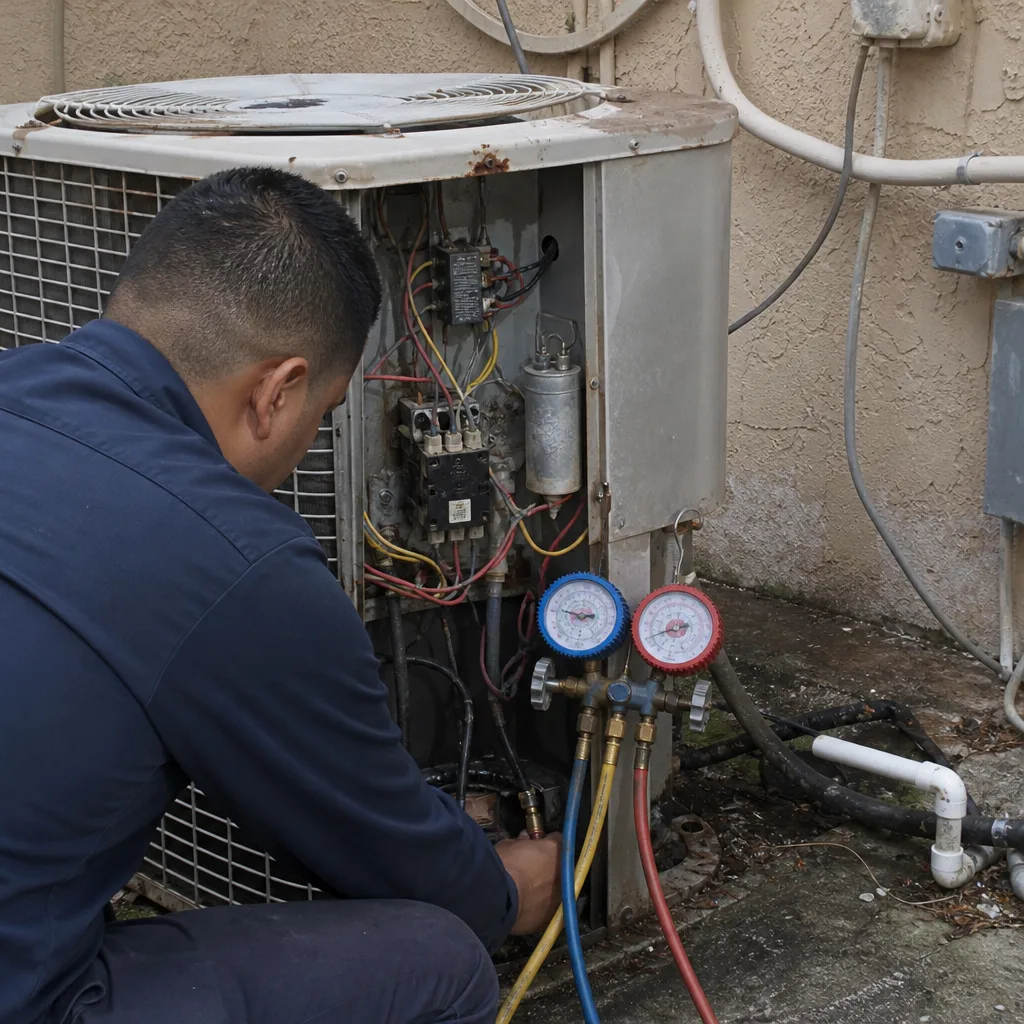
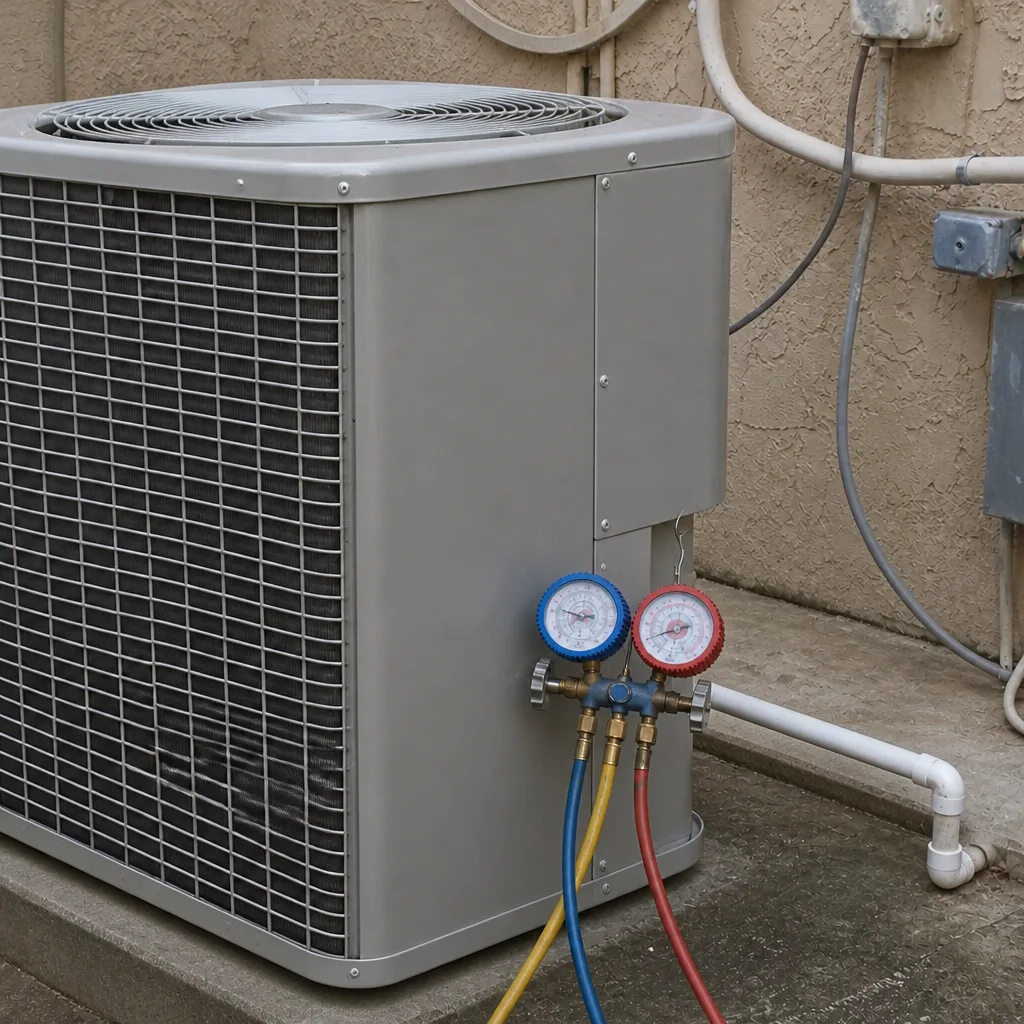
See the difference
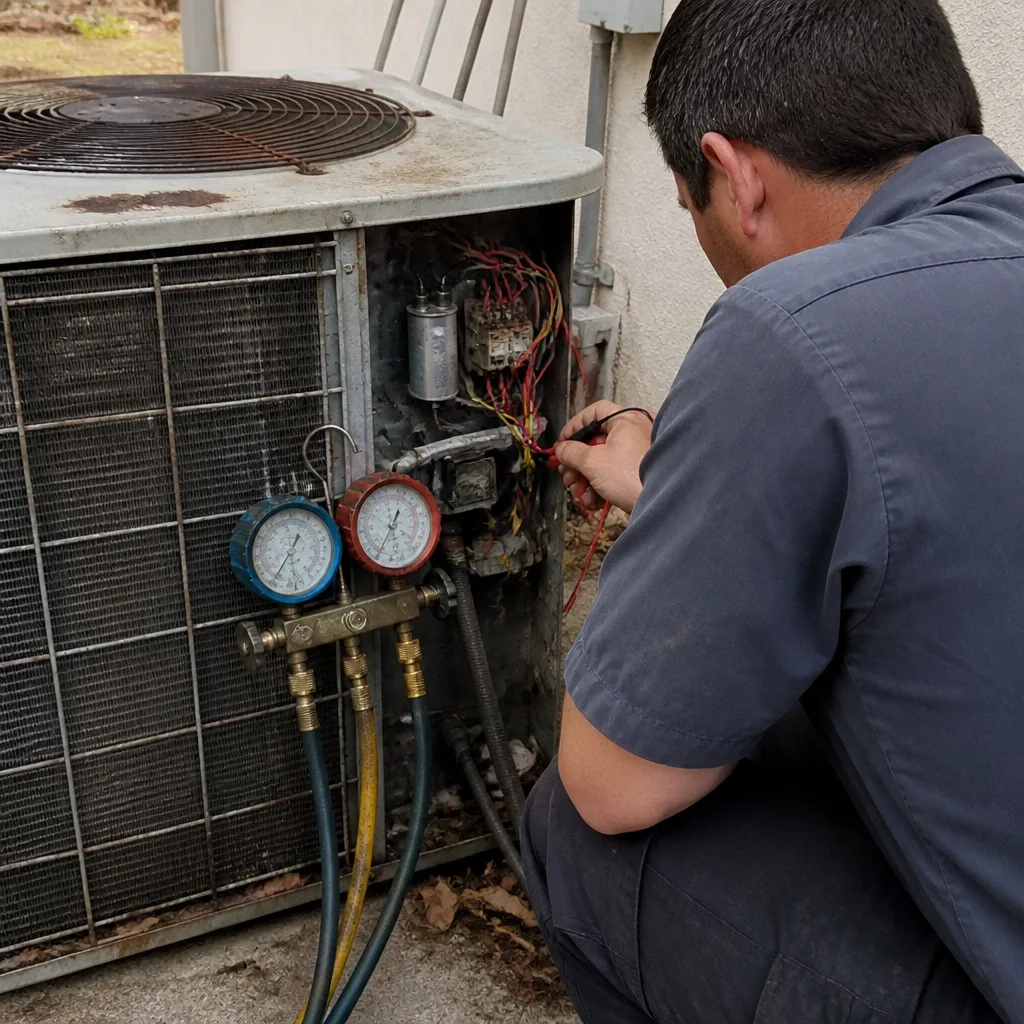 Before
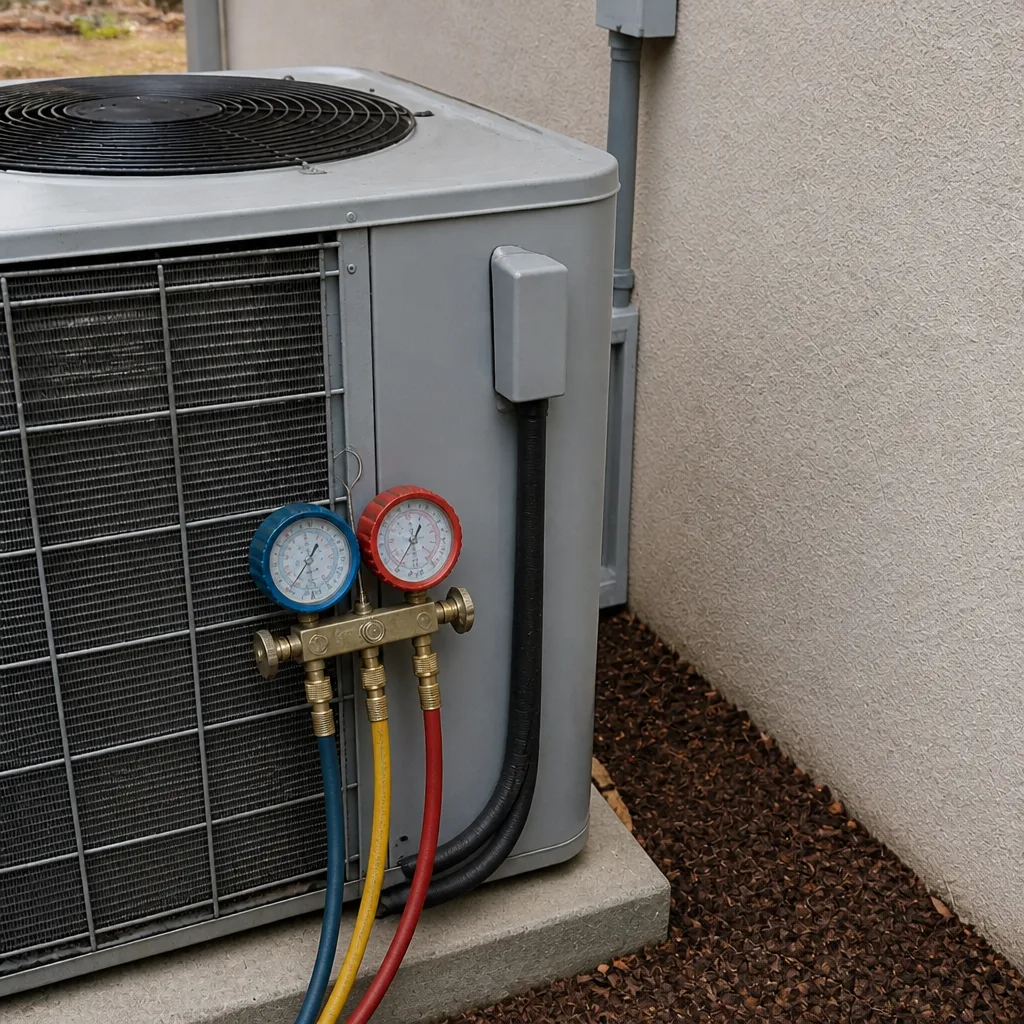 After
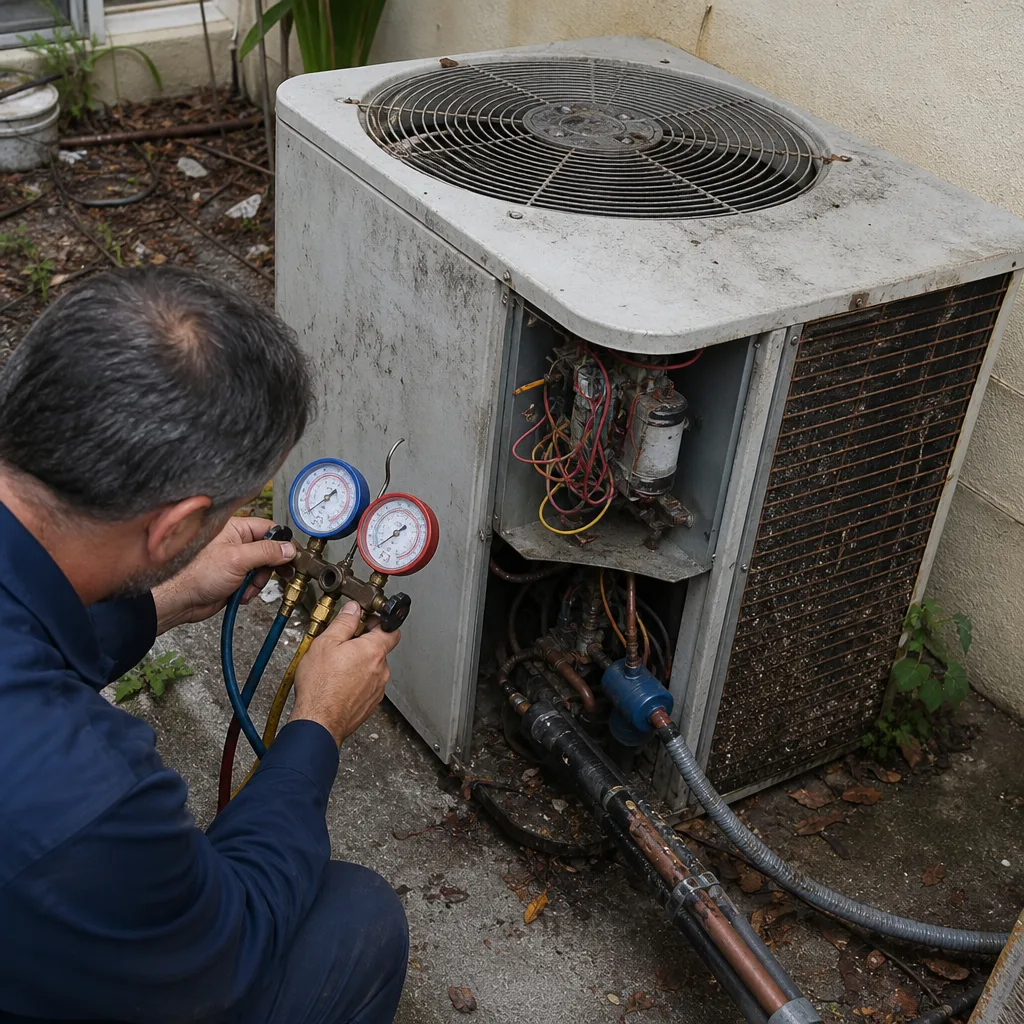 Before
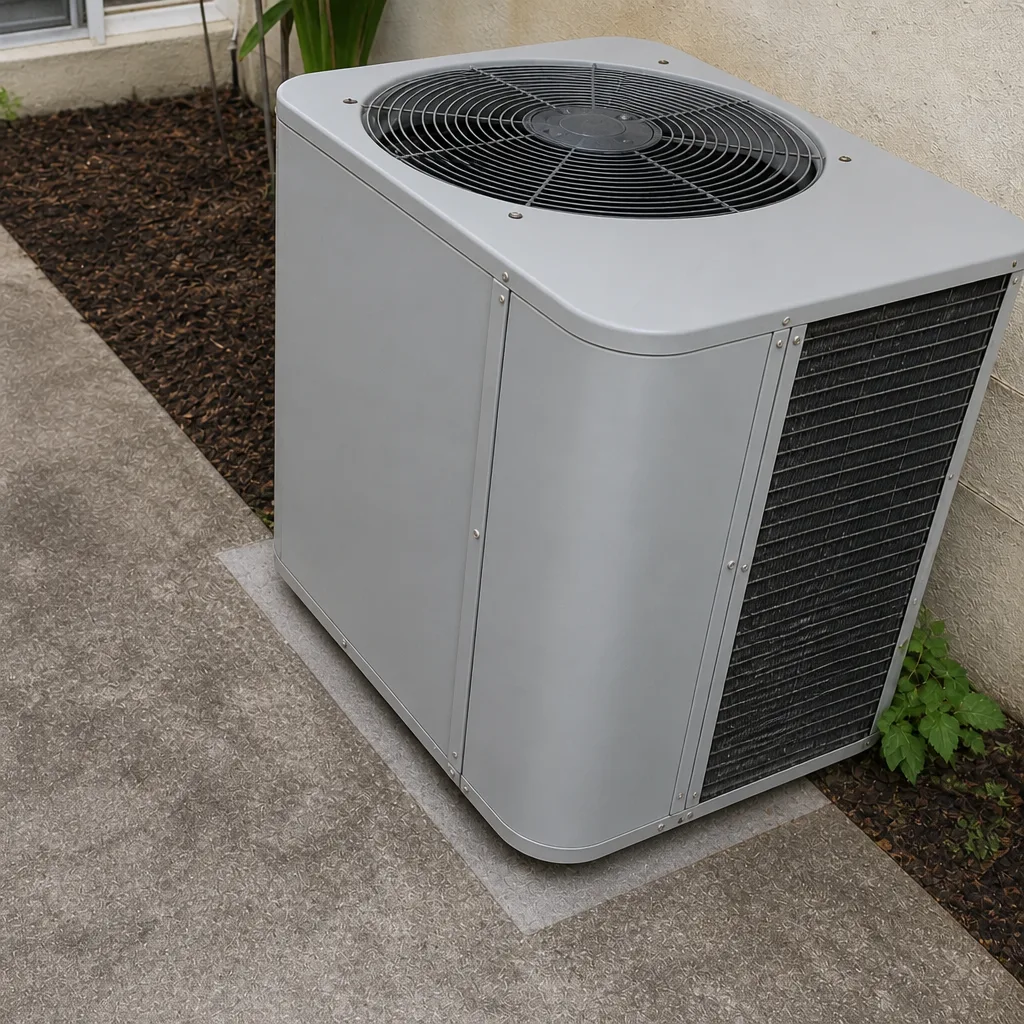 After
 Before
 After